Extra set of eyes at night: Flexible smart mattress sensors flag fall risk, earn US patent
A smart mattress protector that can tell when a care home resident is at risk...
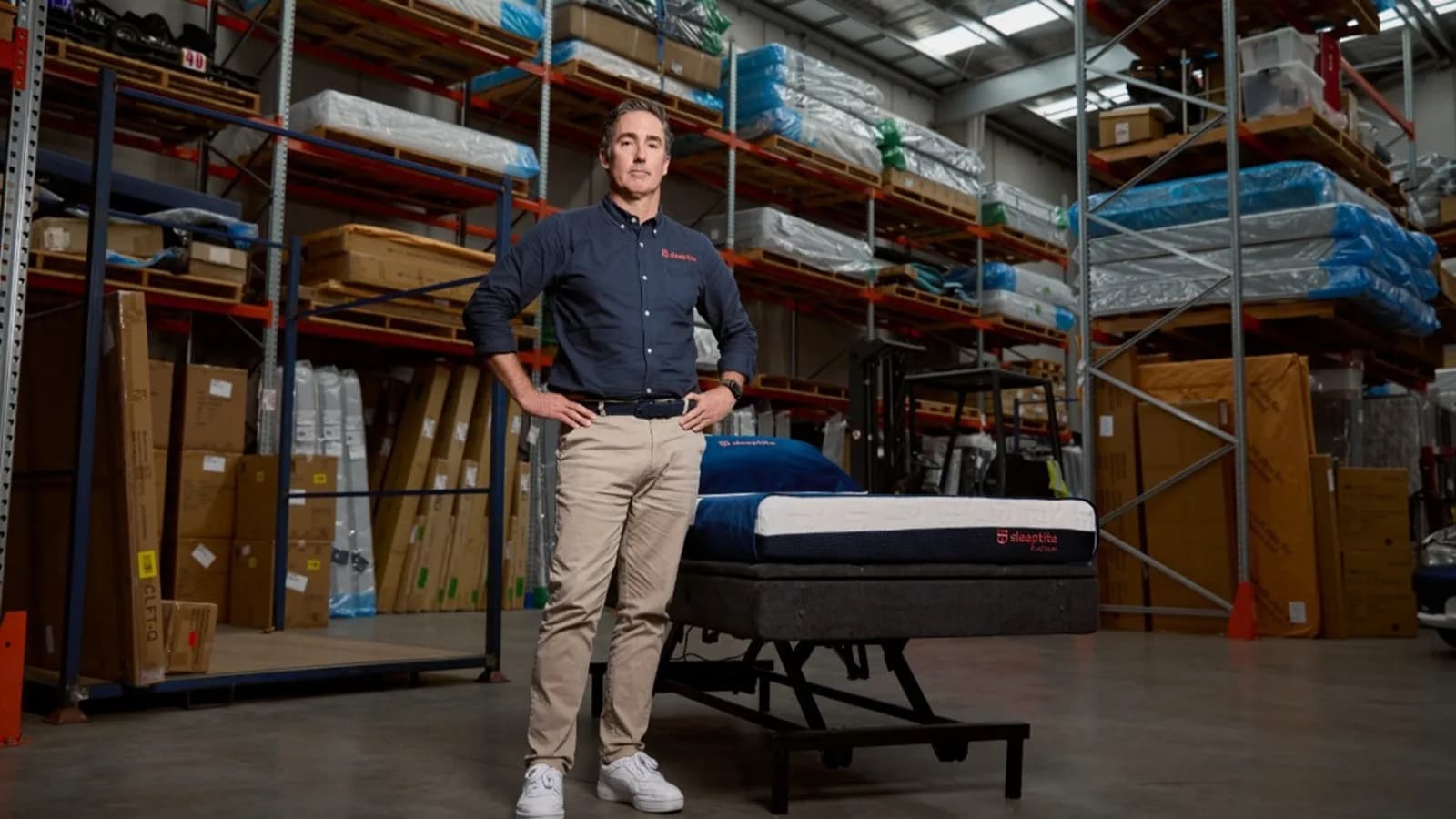
A smart mattress protector that can tell when a care home resident is at risk of falling out of bed has won a U.S. patent, RMIT University said.
The technology, called FlexiSense, was developed by medtech company Sleeptite and RMIT researchers over nearly a decade. It measures bed position and posture through soft, flexible electronics built into the mattress protector, so carers can step in before a fall. Detection of pressure-sore risk is in development.
Eyes without cameras
Sleeptite founder and CEO Cameron van den Dungen said care workers can’t be in every room every minute of the night. The system, he said, gives them “an extra set of eyes” without putting a camera in the room. Unlike camera systems or wearables, it sits inside the bedding, so residents are monitored without changing their routines.
How the sensor works
The sensors are printed with silver and carbon ink on flexible polyurethane sheets. They detect changes in applied force through piezoresistive properties, meaning their electrical resistance shifts under pressure. Madhu Bhaskaran, the RMIT distinguished professor who led the design, said the sensors work across a wide range of mattress types, making them easier and cheaper to adopt. A wireless module sends data to the cloud for continuous monitoring and logging.
Rigorous testing under a rollator machine showed the manufacture-ready sensors were durable, sensitive and robust, and that they accurately detected body motion with minimal power use, Bhaskaran said.
Field trial and peer review
In a field trial at an aged care home, six residents were monitored over more than 250 nights, producing more than 6,100 bed-hours of data. A peer-reviewed study in Flexible and Printed Electronics found the sensors can be made with scalable production techniques while keeping their performance and durability.
The release does not report whether the technology reduces falls in practice. The trial gathered monitoring data from a small group of residents, and pressure-sore detection is still in development.
What the US patent covers
The patent covers the design of the FlexiSense sensor and the method used to make it. It follows a provisional application filed in Australia in 2020 and is the first granted from applications in 10 jurisdictions worldwide.
Van den Dungen said the manufacturing coverage means the company can build its first production line in Melbourne, then replicate small-batch manufacturing close to customers in markets such as the United States.
Sleeptite showed the technology at The MedTech Conference in Boston as part of an Australian trade delegation led by AUScelerate. It plans to use it in its REMi in-bed monitoring system, which won two 2024 Australian Good Design Awards.
A decade-long partnership
The project began about eight years ago as a government-funded Cooperative Research Centre project that brought together experts in sensing, data analytics, healthcare and bedding manufacturing. Sleepeezee Bedding Australia is the manufacturing partner. The partnership has also won awards for industry collaboration and health-tech innovation.
Related articles