From 1% to nearly 98%: Electric comb test shows promising results for rapid hair regrowth
A comb-shaped device that delivers pulsed electric fields and gene-based drugs regrew nearly all the...
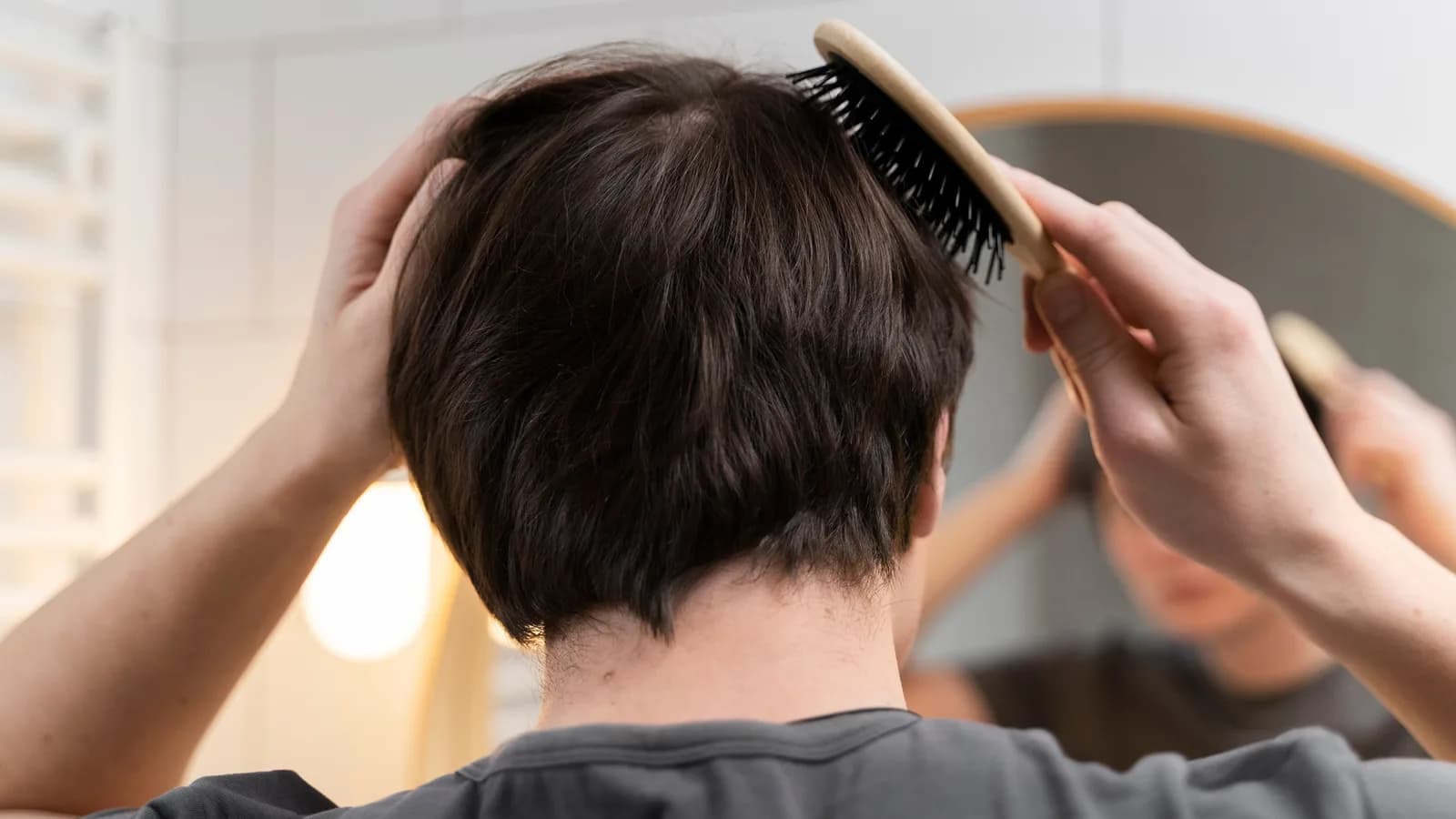
A comb-shaped device that delivers pulsed electric fields and gene-based drugs regrew nearly all the hair on shaved mice in about a month, according to Chinese researchers. It’s an early result that has yet to be tested in people.
The device, called Detangle, targets androgenetic alopecia, or pattern hair loss, which is estimated to affect more than a billion people worldwide.
A comb with staggered teeth
Detangle’s teeth are electronic, with electrodes of different heights built in, along with drug-loaded modules. The staggered lengths matter. The team says they produce an electric field 2.63 times stronger than teeth set in a straight row, and one that reaches up to about nine times deeper into hair-follicle regions than conventional external application.
Two jobs: Simulate and deliver
The pulses work in two ways. They stimulate follicles directly and drive the loaded drugs deeper into the skin through electroporation, a process that briefly makes cell membranes more permeable.
The experiments paired the electricity with two experimental genetic treatments. One is a VEGFA plasmid, which promotes blood-vessel growth around follicles. The other is SRD5A2 siRNA, which suppresses a hormone that shrinks follicles.
What happened in mice
In male mice with testosterone-induced hair loss, untreated animals regrew about 1% of the hair on a shaved patch of their backs over 28 days. Electrostimulation alone raised that to about 40%.
For comparison, the standard drugs finasteride and minoxidil reached about 50% and 70%. Combining the comb with each experimental treatment did better: about 85% with SRD5A2 siRNA and about 90% with VEGFA plasmid. The full system, electricity plus both treatments, reached about 97.85%.
“This approach accelerates hair growth nearly 100 percent within a month in the AGA mouse model, surpassing the outcomes achievable with conventional oral or external medications,” the researchers write.
A long way to a human comb
The study was done in mice with induced hair loss, which doesn’t match how pattern hair loss develops in people. Whether the approach is safe and effective in humans is unknown, and the gene-based treatments involved are experimental.
The numbers also show that electrostimulation alone beat no treatment but trailed both finasteride and minoxidil. That suggests the drug-delivery step accounts for much of the gain in the combined treatment, though the report doesn’t test that directly.
If later studies back up the mouse results, the comb’s real appeal could be delivering treatments right where follicles sit, with a device that looks like something people already use. For now, it remains a proof of concept, and human trials would need to come first.
The device was described in Nature Communications by a team led by researchers at Beihang University in Beijing.
Source: https://interestingengineering.com/innovation/detangle-electric-comb-hair-regrowth
Get the latest news delivered to your inbox.
Related articles