How Iran may have used fitness apps, online ads to target US military bases
Iran gathered data from social media accounts, fitness apps and online ads to learn the...
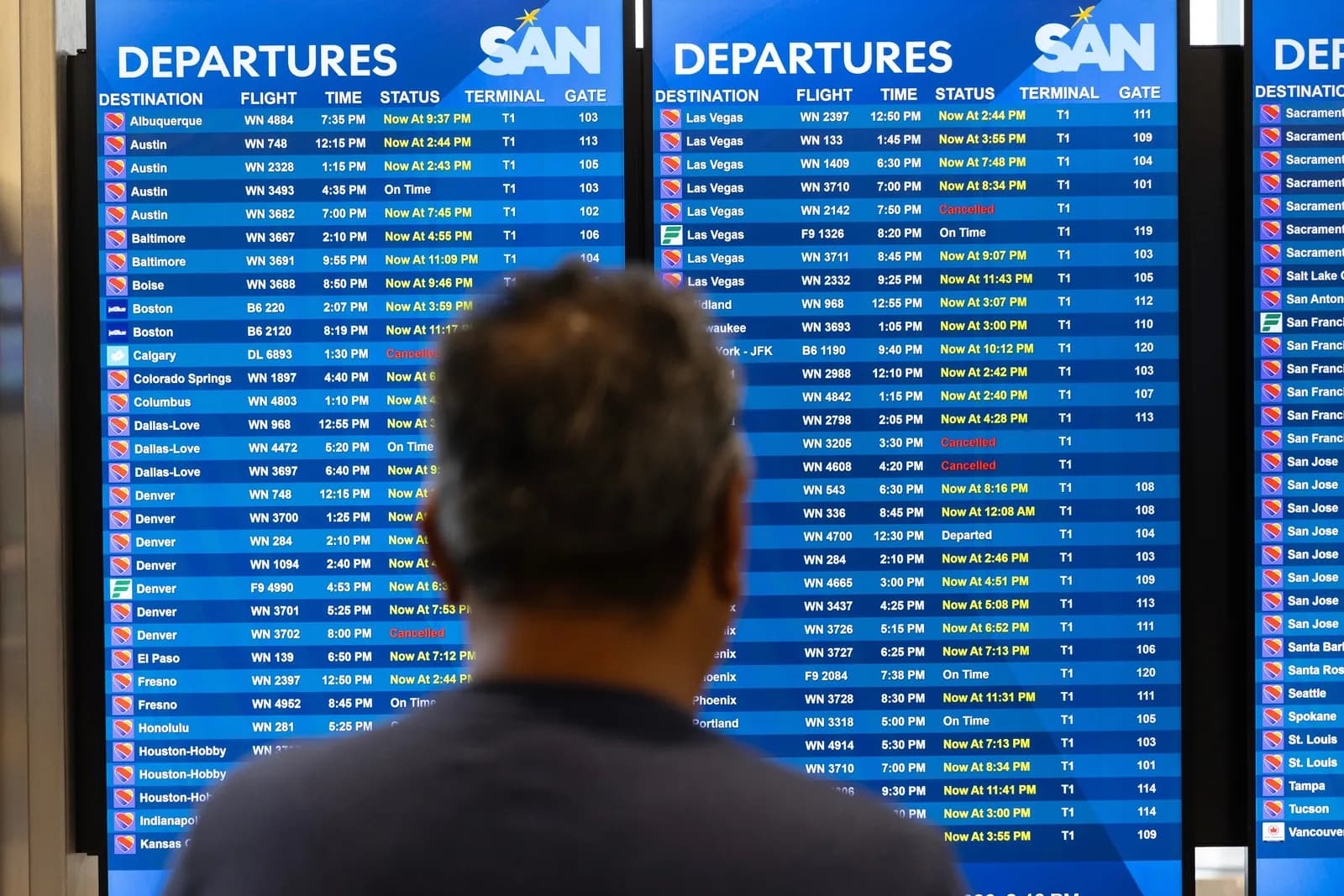
Iran gathered data from social media accounts, fitness apps and online ads to learn the routines of U.S. bases in the Middle East, then combined it with satellite imagery to pick targets, the Los Angeles Times reported Nov. 14. The newspaper cited security experts and the U.S. military.
U.S. Central Command (CENTCOM), which oversees American forces in the region, told Congress this spring that it had received “multiple threat reports” about adversaries exploiting commercial location data, which apps and ad networks collect and brokers sell, to target or surveil U.S. personnel. Sen. Ron Wyden, an Oregon Democrat, and other lawmakers released the command’s written answers May 28.
Iran targeted 26 U.S. military sites in the first six months of the war that began Feb. 28, and repairing base damage, excluding equipment and aircraft, would cost an estimated $9 billion, according to the Times report. The paper did not name a source for the cost estimate.
What CENTCOM and Congress have said
In its written answers, CENTCOM said a unit called the Threat Fusion Cell identified and tracked the threats and passed them to force protection staff.
On Sept. 4, Wyden and Rep. Pat Harrigan, a North Carolina Republican, asked the Defense Department’s inspector general to review whether military protections work, in a letter. Memos attached to it from the Army, Air Force, Navy and Special Operations Command say each disables mobile advertising IDs, which tie location trails to one profile, on government devices.
The lawmakers noted the Air Force put its policy in place in July, after Congress asked for its memo. They also raised the possibility that the data now for sale comes from personal devices.
A Sky News investigation published Aug. 12 found more than 1,300 users of the fitness app Strava sharing workouts from U.S. sites in the region, Stars and Stripes reported. Stars and Stripes added that Sky News did not establish that Iran used Strava data to select targets. Strava’s global heat map, released in 2017, exposed secret military bases in January 2018.
Satellites and damage estimates
The paper said Russian satellites reportedly supplied the imagery. CNN reported in September that two U.S. officials and other intelligence sources said Russian satellites fed Iran targeting intelligence. Russia has denied it.
The central claim, that Iran used app and social media data to choose targets, rests on accounts from experts and the military, not on a published measurement. Mark Cancian of the Center for Strategic and International Studies said satellite images show no random craters, which indicates precise targeting. That does not show which inputs Iran used.
A Wall Street Journal analysis found damage to 274 structures at 24 U.S. installations in the six months since the war began, while the Times counted 26 sites targeted. The U.S. campaign is called Operation Epic Fury.
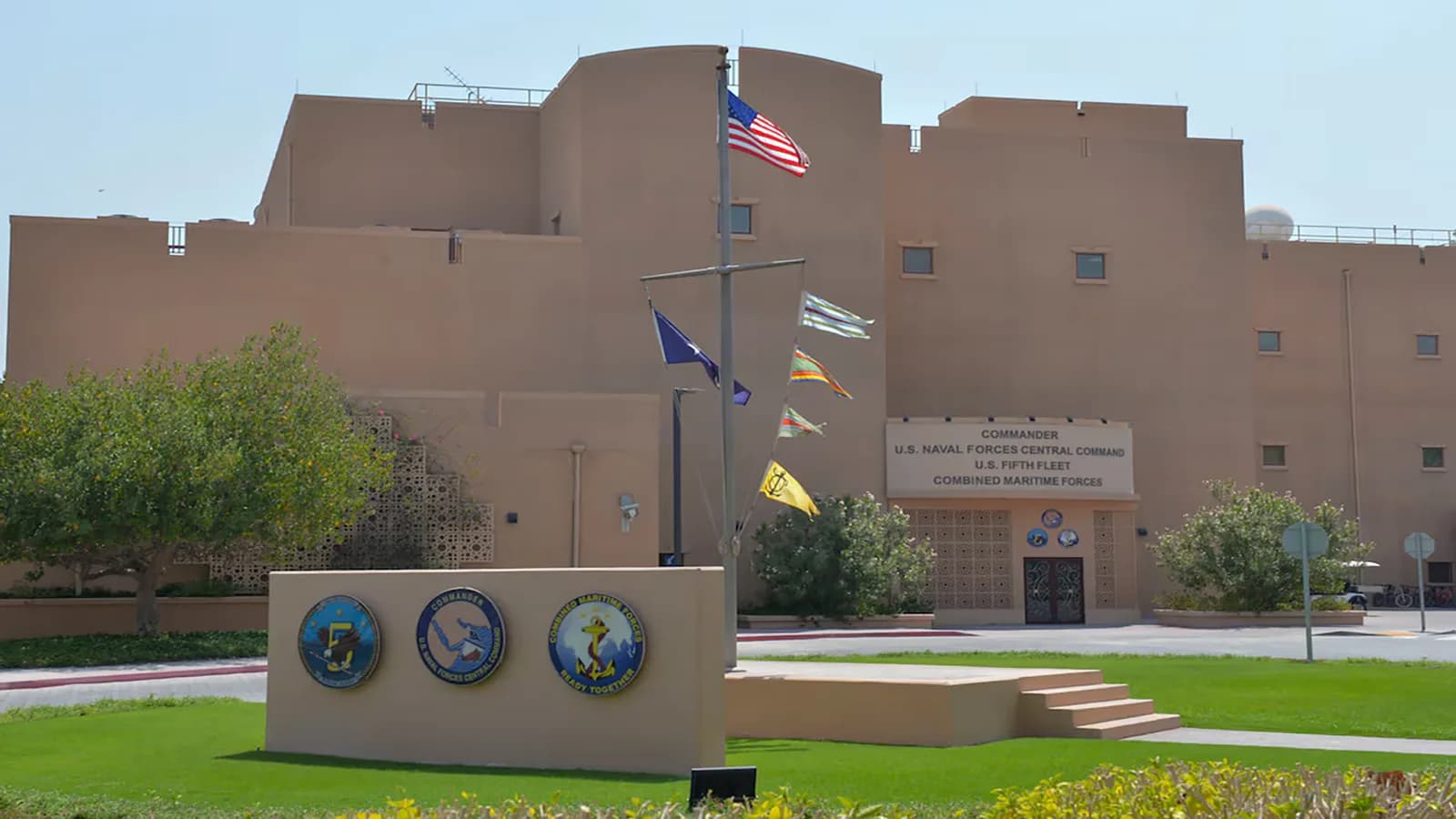
Navy chief Adm. Daryl Caudle said in August that the Navy would not return to Naval Support Activity Bahrain anytime soon, citing extensive damage, the report said. The Pentagon told Reuters in September it would respond to lawmakers directly. The report ran Nov. 14.
Source: https://interestingengineering.com/military/iran-target-us-bases-middle-east
Get the latest news delivered to your inbox.
Related articles