Making hydrogen flames easier to see could make clean energy safer for homes
A team led by Adelaide University has linked the changing orange glow of hydrogen flames...
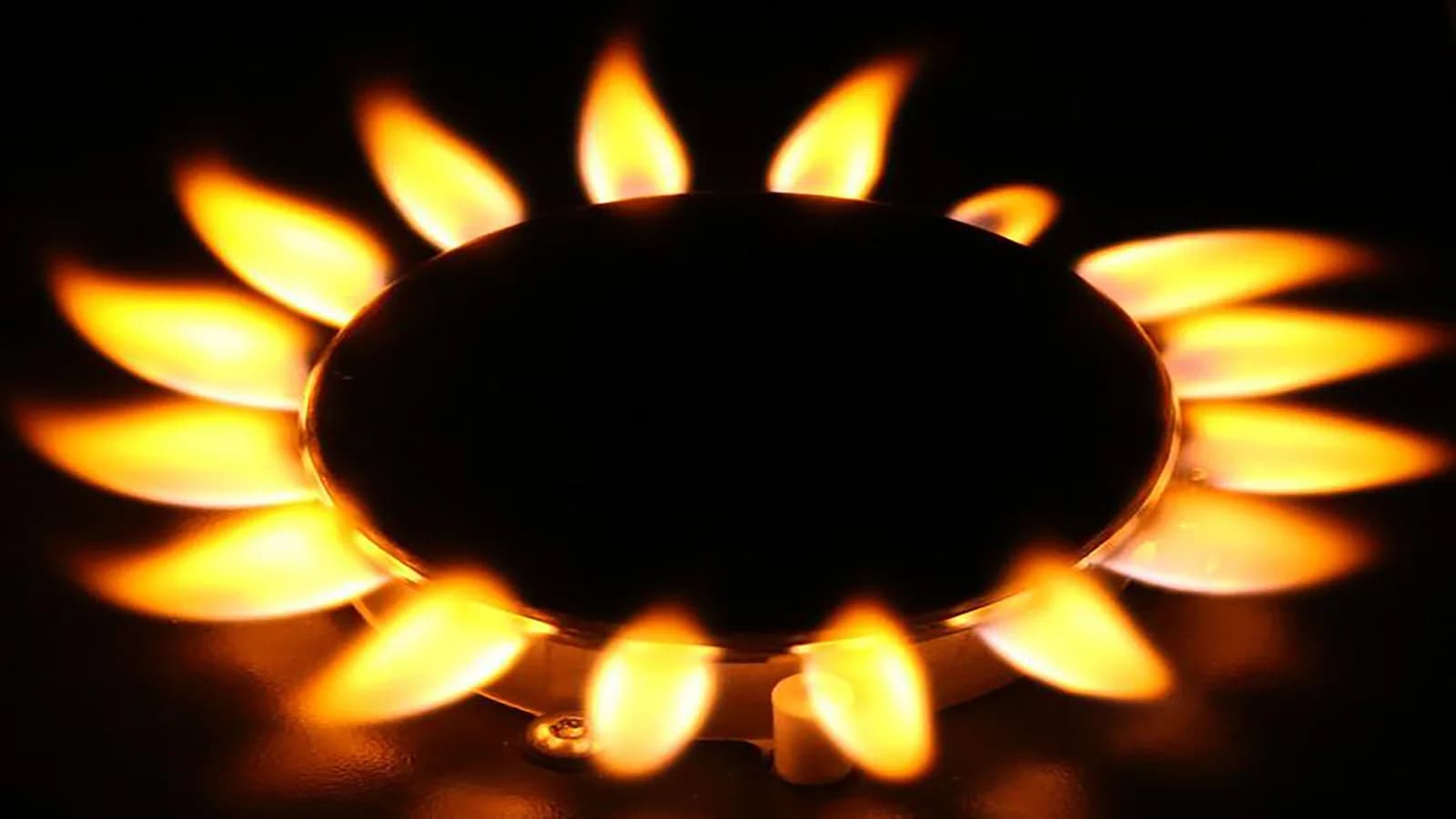
A team led by Adelaide University has linked the changing orange glow of hydrogen flames to sodium in the air, according to a paper in Next Energy and a university release. The same cooktop can burn bright orange one day and be much harder to see the next, under identical conditions, the university said.
Flame visibility matters because the paper calls it an important safety control in home appliances, particularly cooktops. Sodium is a naturally occurring element found in tiny airborne particles, including sea salt carried inland by wind, the release said.
Lead researcher Paul Medwell, a professor in the School of Electrical and Mechanical Engineering at Adelaide University, said understanding how hydrogen flames behave in everyday environments is an important step toward making hydrogen technologies more practical for household use. The University of New South Wales and Gas Infrastructure Research Australia also took part, and the Future Fuels Cooperative Research Centre supported the work.
How sodium changes the flame
The team ran controlled laboratory experiments and field measurements to isolate key variables, according to the Next Energy paper. Hydrogen flames are predominantly orange because of sodium emissions, mainly from sea salt in the air, the study reports. Flames became significantly less visible when less sodium was present, the university said.
Over two weeks, researchers measured changes in flame emissions while keeping the burner settings constant, according to the release. Across the two weeks, the highest sodium-related reading was more than 28 times the lowest. The highest sodium-related reading was more than 28 times the lowest.
Winds that had passed over the ocean generally increased visibility, while filtered air cut luminosity and left flames nearly invisible under typical lighting, the study said. Faint blue and red light showed up mainly in low light, the university added.
A hydrogen cooktop also produced less visible light on average than a natural gas cooktop, even under favorable conditions, the researchers found. The study concludes that hydrogen flame visibility is inconsistent and can’t be reliably used as a safety indicator in home appliances.
Looking beyond flame color
Medwell said the findings don’t diminish hydrogen’s potential. Rather than depending on flame color, engineers can investigate other ways to confirm a burner is running, he said, with options including specialized ultraviolet or infrared flame detectors, or temperature sensors. Different energy sources have different properties, and “good engineering is about understanding those differences and designing for them,” he said.
A startup has already unveiled a hydrogen stove for homes and commercial kitchens, and one German company’s flameless heater burns hydrogen through a catalytic process. University of Manchester researchers separately developed a hydrogen leak sensor that detects minute concentrations of the gas within seconds.
The paper describes the sodium-driven glow as correlated with flame brightness and variable with conditions, particularly wind direction. The university’s summary doesn’t say how many burners or cooktops were tested, or whether the results hold in other climates.
Medwell said the results give engineers information to build appliances and flame-detection systems that work reliably as conditions change. The study appeared in Next Energy.
Get the latest news delivered to your inbox.
Related articles