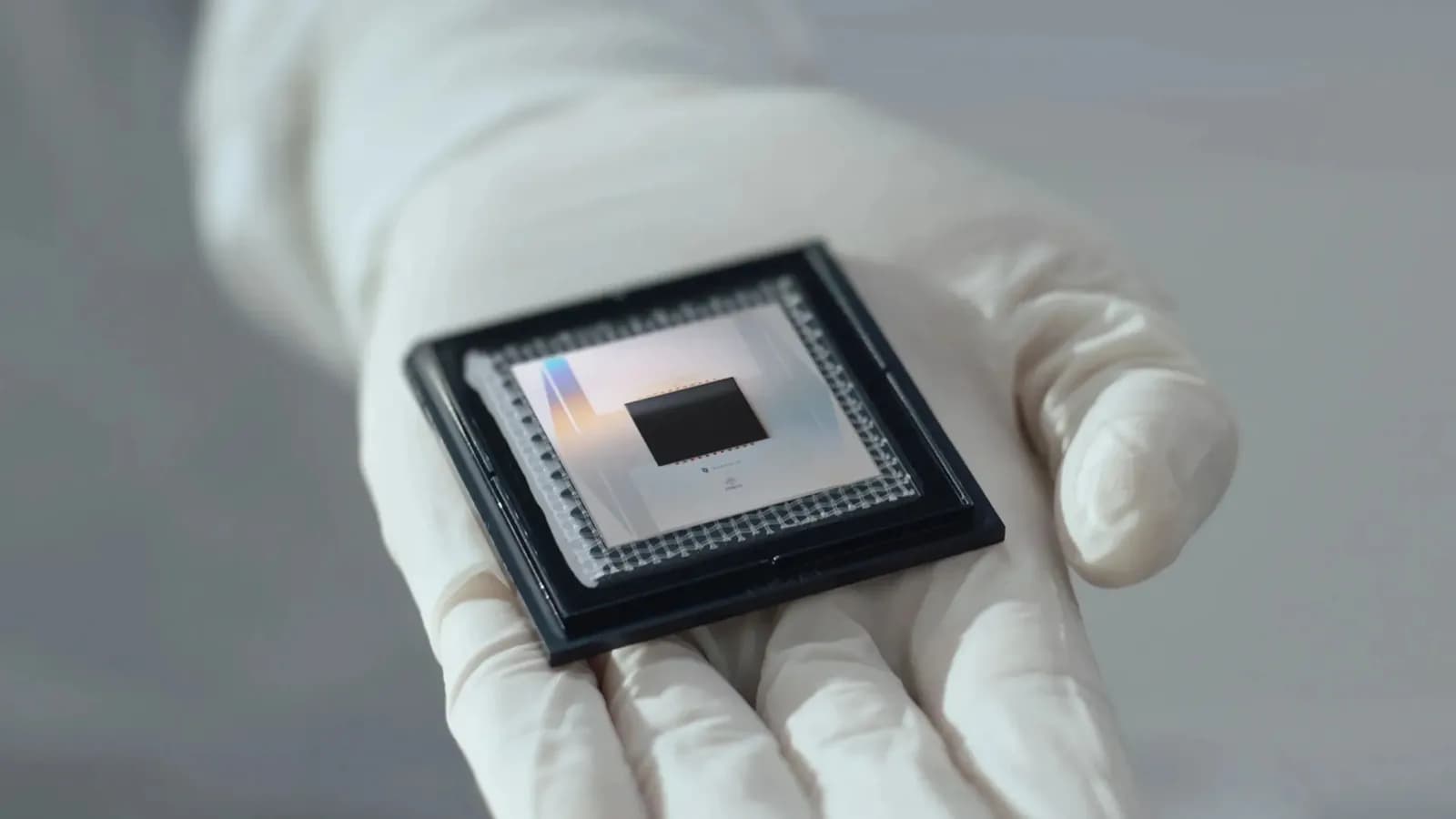
Wearable ultrasound patches may outlast gel: Nine days of clear images in tests
Ultrasound technicians spread a cold gel on the skin for a reason, and on a...
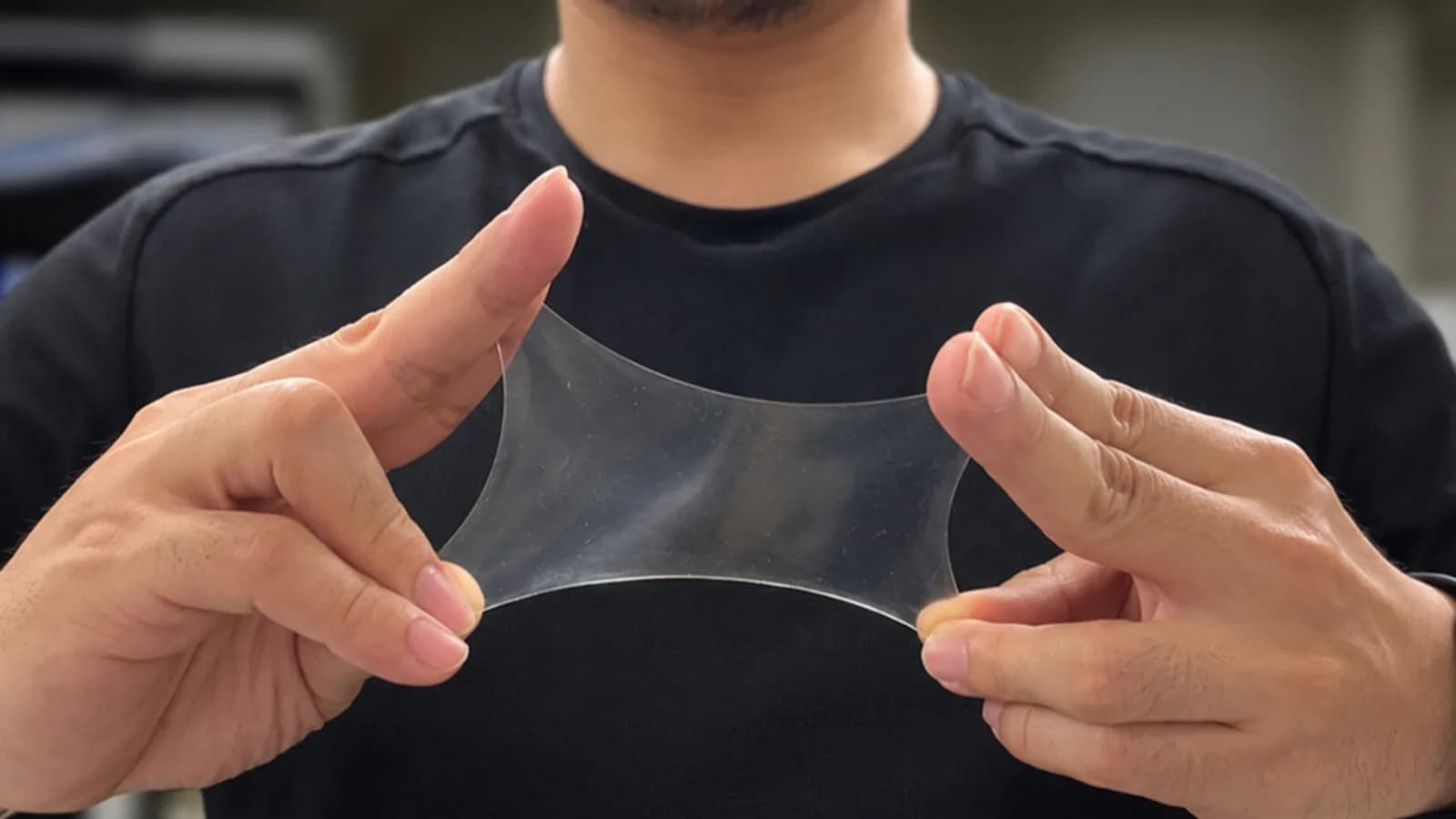
Ultrasound technicians spread a cold gel on the skin for a reason, and on a wearable patch, that gel dries out within a day or two. Engineers at MIT and the Singapore-MIT Alliance for Research and Technology (SMART) have now built a dry, stretchy material that does the gel’s job. A patch using it produced clear images for nine days, even during vigorous exercise.
The study comes from MIT’s Zhao Lab and SMART’s Wearable Imaging for Transforming Elderly Care group (SMART WITEC).
Why gel is the sticking point
Gel fills tiny gaps between the probe and the skin so ultrasound waves can pass efficiently. For wearable patches, earlier Zhao Lab designs used a hydrogel layer, a mostly water-based material, to seal that gap. The lab’s 2022 patch imaged continuously for 48 hours, but hydrogel can dry out and lose its ability to carry sound.
“In a doctor’s office, a technician can simply apply more gel if needed,” said Xuanhe Zhao, a mechanical engineering professor at MIT. “But for a wearable device, gel-based designs can limit their long-term usability.”
A solid with a liquid’s manners
Sound travels well through fluids because water molecules are small and loosely connected, so a wave loses little energy to friction. In a typical rubbery solid, long polymer chains form a dense tangle, and the wave dies out as the chains rub against each other. The team wanted a solid that behaves like a gel for sound, without adding liquid or lubricant, said study leader Shu Wang, an MIT postdoc.
They landed on a “bottlebrush” structure: a backbone with smaller side chains sprouting like the bristles of a pipe cleaner. The “hairy extensions” don’t easily penetrate each other and can move freely at ultrasound frequencies, Wang said, which cuts friction.
The first samples, built entirely from bottlebrushes, were “very soft and crumbly, like tofu.” Fusing them to a second, loosely connected bottlebrush network held the first in place without hurting its low-friction behavior. The result was a tough, rubbery material that stretched repeatedly without tearing. “It’s very much like skin,” Wang said.
Tested from phantom to bike ride
Credit card-sized samples first went on a “phantom,” a synthetic stand-in for skin and internal structures. The setup imaged clearly for about nine days. “In principle, this material could go forever, depending on how stable it is,” Wang said.
Next, a patch on a volunteer’s chest during a 10-minute treadmill run showed a difference: conventional silicone rubber became waterlogged with sweat, while the new material wicked it away.
Finally, a patch about the size of a key fob sat on a volunteer’s neck and connected to a portable tablet. It stayed accurate through a 30-minute bike ride from MIT to Bunker Hill in Charlestown and back, including steep inclines, while continuously imaging the rider’s blood flow.
What’s next
The team is working to streamline fabrication of the material. They hope to enable wearable, long-lasting ultrasound imagers that can track athlete performance and monitor patient health outside clinics.
“If we want ultrasound imaging that goes beyond the clinical scenario,” said co-lead author Runze Li, an MIT postdoc, “we need a material that lasts longer, and is easier to handle.”
The release doesn’t give the number of volunteers tested, so the human results should be read as demonstrations. Other authors come from the University of Wisconsin at Madison, the National University of Singapore, and Nanyang Technological University. Support came in part from SMART and the MIT Health and Life Sciences Collaborative.
The study was published in the journal Science.
Get the latest news delivered to your inbox.
Related articles