MIT scientists build a tiny superconducting sandwich for computers of future
Researchers at the MIT Plasma Science and Fusion Center (PSFC) have developed a tiny superconducting...
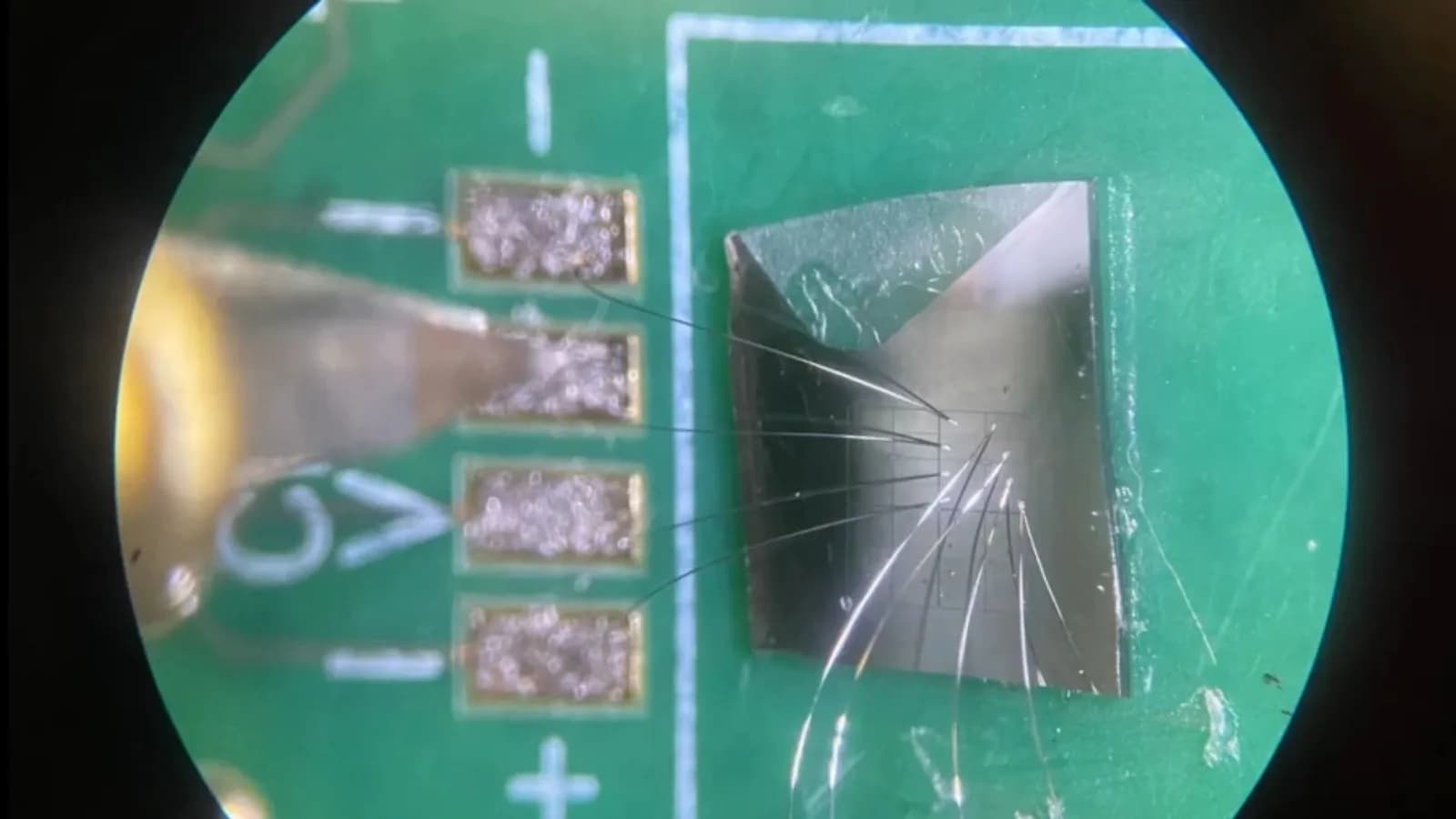
Researchers at the MIT Plasma Science and Fusion Center (PSFC) have developed a tiny superconducting device. It could serve as a low-energy memory cell and signal router for future superconducting and quantum computing systems.
Senior research scientist Jagadeesh Moodera and postdoctoral researcher Josep Ingla-Aynés unveiled a tiny superconducting sandwich device that can “store and process information” using less energy.
The team created a microscopic “memory cell” made of an ultrathin superconducting film sandwiched between two magnetic layers.
“Integrating these devices can lead to processors operating at high speed and low energy,” says Moodera. “This development addresses the current lack of suitable cryogenic memory and control components, allowing for the advancement of cryogenic electronics technologies, including quantum computing and networking.”
Sandwich architecture device
Computers and data centers face soaring demands for speed, capacity, and energy efficiency, making fast data delivery to processors essential.
Regular RAM provides quick access, but loses data without power, and non-volatile options like flash memory suffer from slower write speeds and eventual wear.
Researchers are exploring superconducting computers which operate at extreme cold with zero electrical resistance and minimal heat. These could help overcome the existing limits, though building fast, high-capacity memory that works in those freezing conditions remains a major hurdle.
MIT’s new device layers an ultrathin superconducting film between two magnetic tiers.
Flipping the magnetic alignment of those layers switches the film’s superconductivity on and off. Opposite magnetic directions allow resistance-free current, whereas matching directions trigger resistance. Computers read those two states as the ones and zeros of binary code.
Writing a bit takes remarkably little effort. A brief electrical pulse gently warms a target cell while a small magnetic field nudges its alignment into place. Once set, the cell locks in its memory without needing continuous power, and neighbors stay undisturbed.
“Any useful memory must have the ability to change one bit without disturbing all the information around it,” said Ingla-Aynés in the press release. “Showing that we could switch a single cell without losing the neighbor’s memory state was an important step toward bringing this superconducting layered device closer to a practical memory technology.”
Solution to AI’s massive power appetite
Turn the thermostat down a notch further, and the sandwich learns a second trick. At lower temperatures, the device transforms into a superconducting diode, acting as a one-way traffic controller for electrical signals. Changing the magnetic orientation reverses the flow or blocks current altogether, letting engineers pack both memory and signal routing onto a single chip.
This dual capability could make superconducting computers practical for higher power tasks like AI. While the MIT cells store classical bits rather than fragile quantum bits, these devices can sit right inside a quantum machine’s cryogenic chamber without radiating disruptive heat or electromagnetic noise.
For now, hard work remains before this tech hits commercial places. Moodera’s team would need to shrink the cells, link them into dense arrays, and calculate exact system-wide power savings.
The findings were published in the journal Physical Review Letters.
Source: https://interestingengineering.com/innovation/mit-tiny-superconducting-sandwich
Get the latest news delivered to your inbox.
Related articles