
New intelligent seekers track targets at hypersonic speeds without GPS or radio signals
OKSI has unveiled a new family of intelligent seekers designed to guide weapons without GPS,...
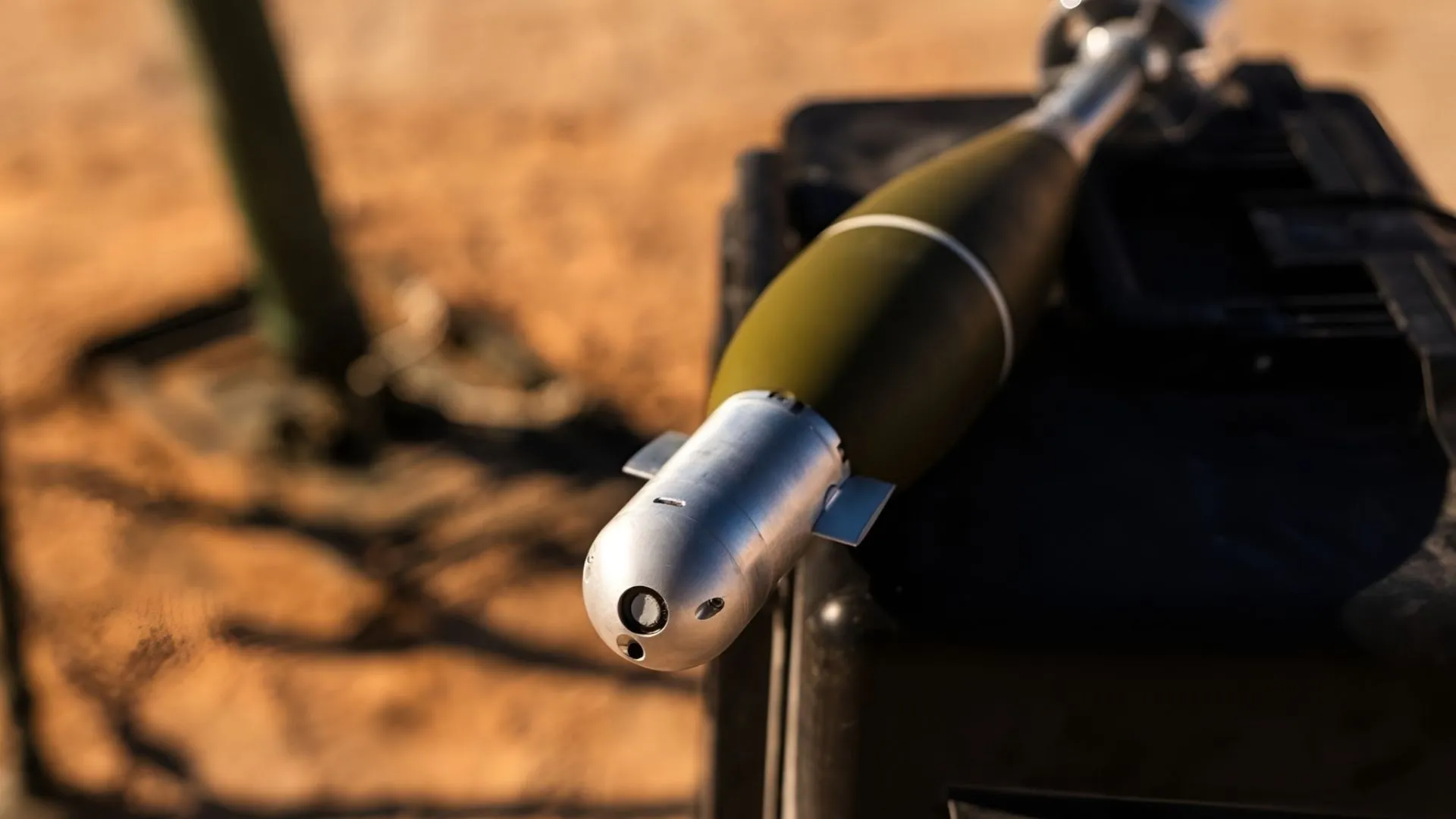
OKSI has unveiled a new family of intelligent seekers designed to guide weapons without GPS, laser designation, or radio communications. The systems use onboard sensing and computing to identify targets during flight.
The technology targets a growing challenge for U.S. weapons operating in heavily contested electronic warfare environments. External signals can become unreliable when adversaries disrupt navigation or communications.
Autonomous targeting goes onboard
OKSI’s seekers combine electro-optical and infrared sensing with onboard computing. The system can recognize targets without waiting for continuous instructions from another platform.
That capability could change how precision munitions operate after launch. The seeker handles important parts of the targeting process inside the weapon itself.
Computer vision algorithms support target recognition across a wide speed range. OKSI says the systems can function from low-subsonic speeds through hypersonic flight.
The seeker also supports lock-on-after-launch operations. A weapon can search for its target after launch instead of relying entirely on pre-launch designation.
Multiple munitions could also attack different targets in rapid succession. Each seeker can maintain its own targeting process without continuous laser designation.
That capability could reduce the workload for aircraft and ground units supporting a strike. It also gives individual weapons greater freedom during the final stages of an engagement.
Designed for contested warfare
Electronic warfare creates a difficult environment for weapons that depend on outside signals. Jamming can interfere with navigation and disrupt communications between a weapon and its operators.
OKSI moves much of that functionality inside the munition. The seeker can continue tracking its target without maintaining an active RF connection.
The company says the architecture can handle the targeting process onboard. That allows the weapon to progress from target detection toward engagement without depending on an external guidance source.
Chris HolmesParker, OKSI’s CEO, said electronic warfare has exposed weaknesses in signal-dependent guidance. He described the seeker as a passive route to maintaining target lock.
The architecture also addresses positioning, navigation, and timing challenges in GPS-denied environments. Alternative approaches can help weapons maintain their intended function when satellite navigation becomes unavailable.
That capability could prove important for U.S. forces operating against advanced electronic warfare systems. A weapon that loses access to external signals can face major limitations during an engagement.
One seeker, multiple missions
OKSI built the seekers around open architecture standards used across U.S. defense programs. The design lets engineers modify key components without rebuilding the entire system.
Different sensors and computing hardware can support the same underlying architecture. Software can also receive independent updates as requirements change.
That flexibility could simplify integration across different weapons and platforms. It gives developers more room to tailor the seeker for specific missions.
OKSI says the system can support counter-drone missions and maritime operations. Other potential applications include land attack, indirect fire, and interception.
The seekers can serve both air and surface applications. Their design also emphasizes small size, weight, power, and cost requirements.
OKSI says its engineering team brings more than 35 years of experience to the program. The company is positioning the seekers as production-ready systems for future precision weapons.
The technology ultimately shifts more of the weapon’s decision-making process onboard. That approach could become increasingly important as U.S. forces prepare for environments where traditional guidance links face disruption.
Related articles

New center bids to supercharge nuclear isotope production for deep-space missions
Canada is moving to expand its role in supplying nuclear isotopes that could power spacecraft...
Schneider tests quantum chip that improves home energy forecasting by up to 41%
Australian government-backed Silicon Quantum Computing (SQC), whose investors include telecom giant Telstra and Commonwealth Bank,...

Digital twin tech from US, Korea could predict toxic ammonia leaks on new ships
The US, South Korea and Germany have recently joined forces in order to develop a...

Mapped: The World’s Digital Leaders in 2026
Which economies are the most digitally connected? See how 159 economies rank in the ITU’s 2026 ICT Development Index.

Breaking up (with Elon Musk) is hard to do
In a throwback to MySpace-style internet drama, Shivon Zilis announced that she and the father of four of her children, Elon Musk, had broken up on X.

OpenAI’s Dot agent is enterprise software that can also order your dinner
It's a tale as old as last week: OpenAI's new agent platform, called Dots, is full of cute little guys who can do your bidding.