New lifecycle model reveals the downstream impact of battery shredding choices
Fraunhofer has developed a modeling tool that lets battery recyclers compare the cost and carbon...
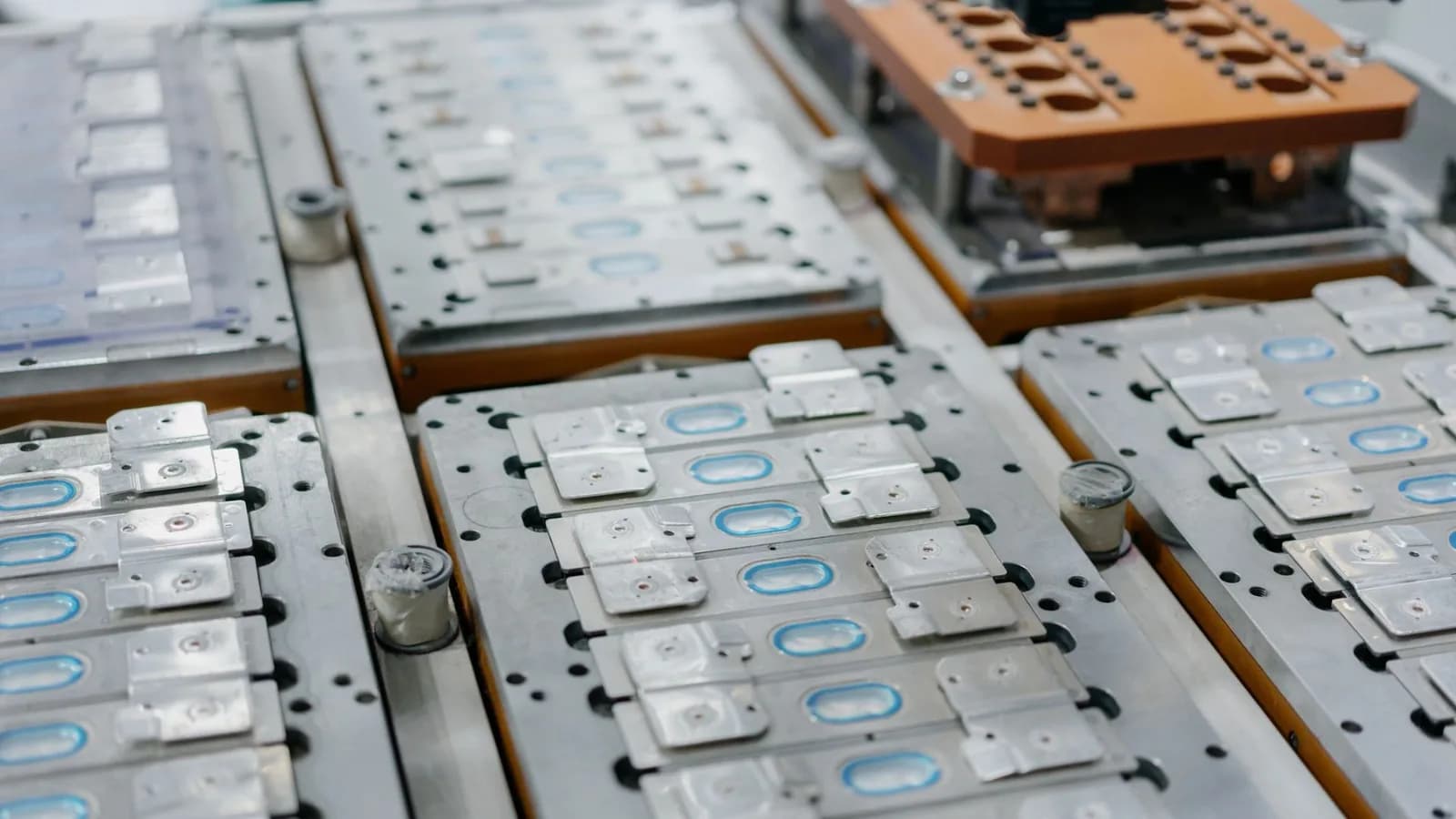
Fraunhofer has developed a modeling tool that lets battery recyclers compare the cost and carbon emissions of different processing methods before changing a production line or scaling up a plant.
The tool follows materials through each stage of recycling, showing how a decision such as switching shredding methods can affect the quality of the recovered material and the work required to process it.
The model comes from a recent study by the EU’s Safeloop research project, which found that recycling lithium-ion batteries in Europe resulted in an average loss of about €1.90 per kilogram of battery pack under the conditions it examined.
Transporting hazardous goods, dismantling packs and uncertainty over how much material could be recovered were among the main factors weighing on the economics.
Following materials through the recycling chain
Fraunhofer’s Modular Lifecycle Tool draws on a database of individual processing steps and technologies.
Recycling companies, equipment providers and battery manufacturers can use it to assemble a processing chain based on the composition of the batteries they expect to handle and the amount of material they plan to process.
Shredding is one example of where a change can have consequences further down the line. Different methods can alter the quality of the material that reaches the next stage, changing how much work is needed to separate and recover it.
By tracking those flows, the model lets users compare the impact of a shredding method across the entire chain.
Factoring in location and plant utilization
The tool links those material flows to estimates for energy use, carbon emissions, capital investment, and operating costs.
It also accounts for disposal costs and potential revenue from recovered raw materials, allowing companies to see how a change in recovery rates affects both what they spend and what they can sell.
Users can also factor in local labor costs, the regional electricity mix, and how much of a plant’s capacity they expect to use.
Changing the amount of material processed or the efficiency of a separation step shows how costs and emissions shift at later stages. That allows companies to see where expenses or emissions are concentrated and how those results change when the plant handles more material.
Testing new methods before scaling up
“With this tool, we aim to make different recycling concepts comparable on a common basis and thereby create a robust foundation for technological and strategic decisions,” said Benedikt Gruber, a research associate at Fraunhofer FFB.
For an existing plant, that could mean comparing its current process with one that uses a different separation technology.
A company evaluating a new plant could use the same framework to compare processing routes under different assumptions about throughput, battery composition or local electricity supply.
Fraunhofer developed the tool through a consortium study with recycling, plant engineering and consulting partners. The framework is set to expand to cover more battery chemistries, more detailed regional data and different regulatory scenarios.
Those additions would let users model a wider range of battery inputs and examine how costs and emissions could vary with plant location and the rules under which it operates.
Get the latest news delivered to your inbox.
Related articles