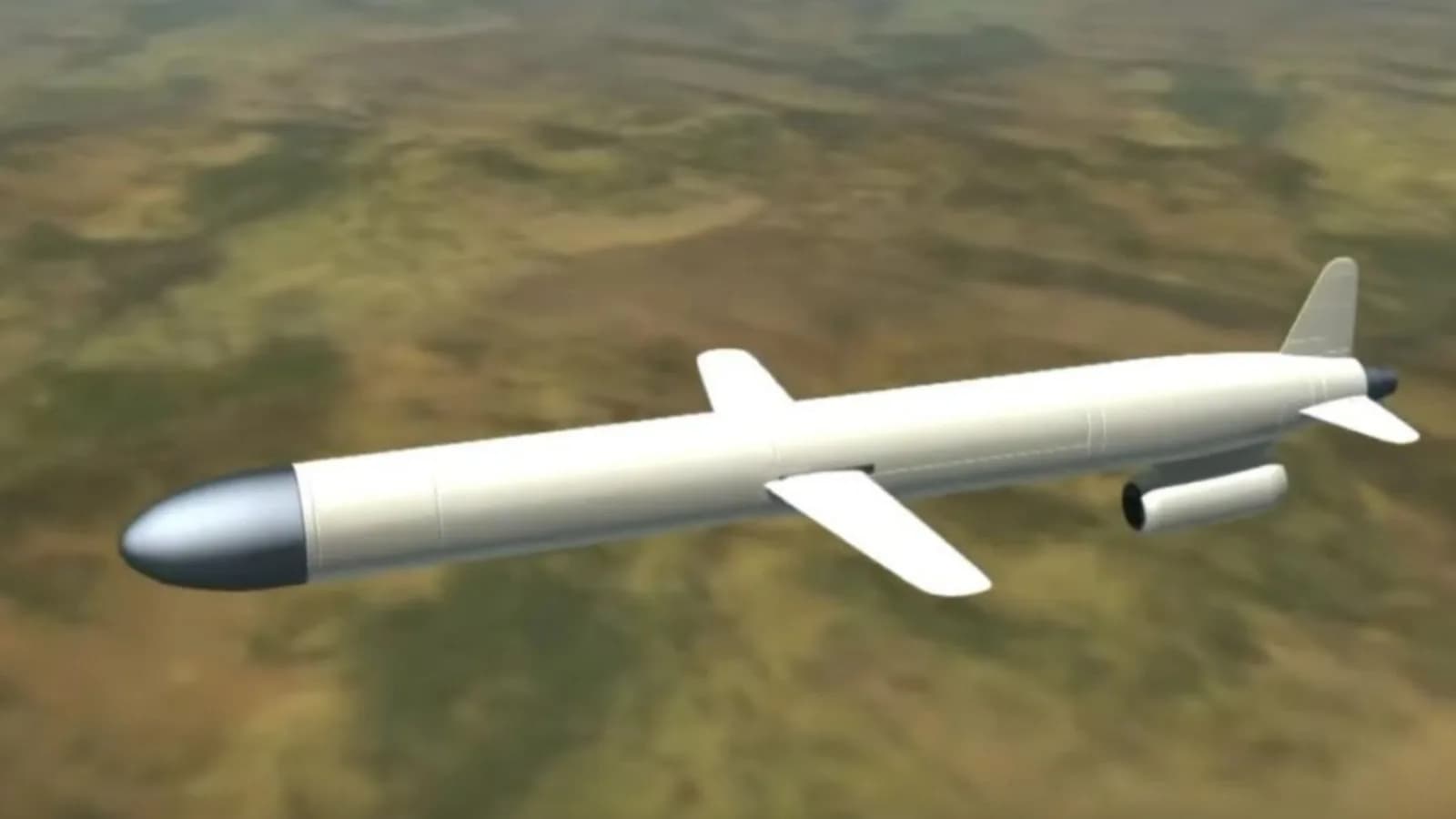
Russia may launch nuclear-armed satellite into orbit within weeks, reports warn
Western intelligence services believe Russia plans to launch a satellite carrying a nuclear warhead this...
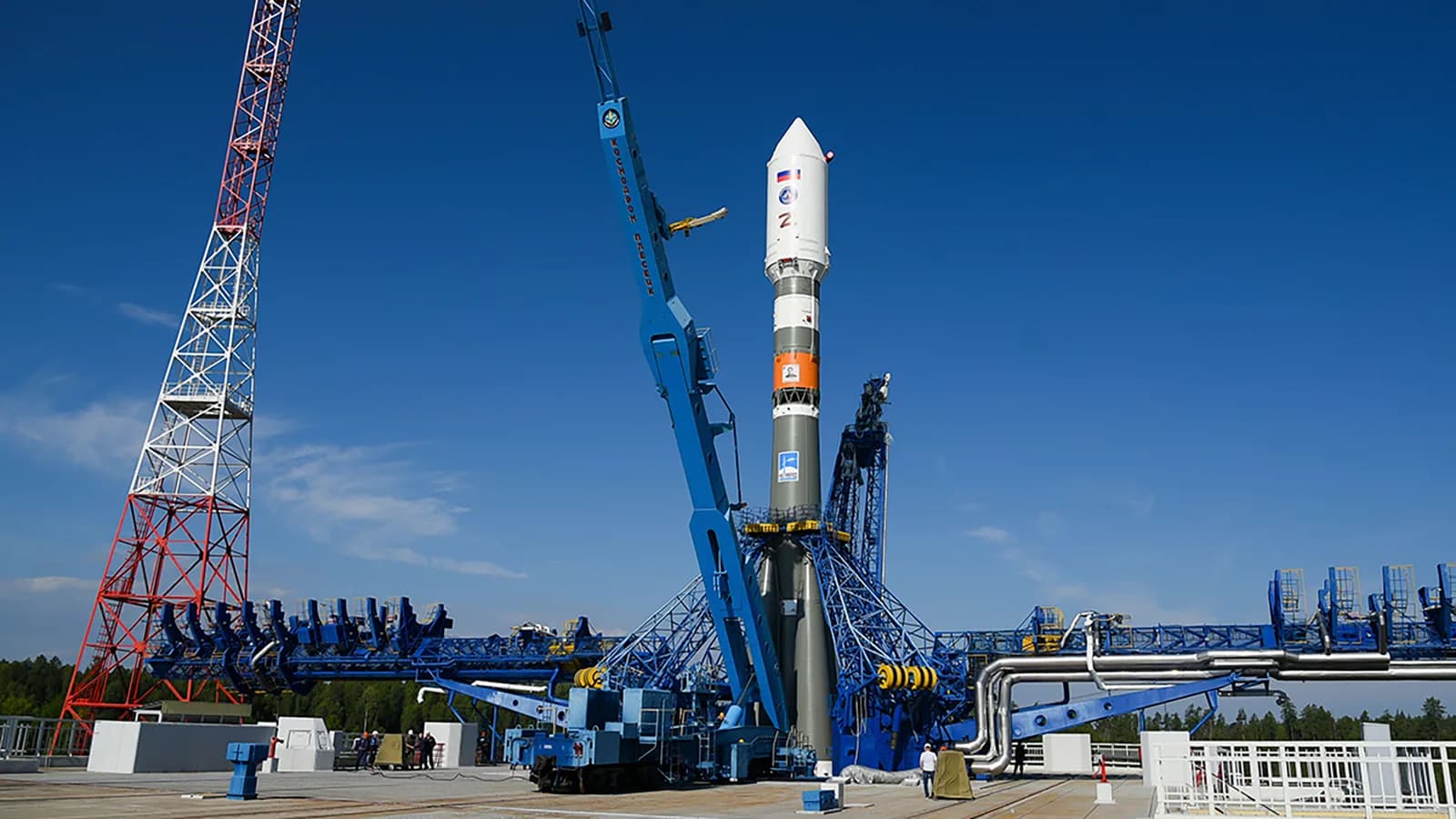
Western intelligence services believe Russia plans to launch a satellite carrying a nuclear warhead this year, according to a joint investigation by German public broadcasters WDR and NDR and the newspaper Süddeutsche Zeitung (SZ).
The reporting says Western intelligence services and militaries, including Germany’s armed forces, the Bundeswehr, and its foreign intelligence service, the BND, think the satellite could go up at any point in the coming weeks. Some NATO countries were recently briefed on a related warning, the outlets wrote.
The satellite, called Sputnik-S, is described as fully built and stored for some time in the Moscow area. Once in orbit, it would be ready for use within a short time, according to the reporting. The Russian embassy told the outlets it has no information on the alleged plans and rejected the claims as part of a propaganda campaign.
What the investigation reports
The US Defense Intelligence Agency (DIA) said in October that Russia is developing a satellite designed to carry a nuclear weapon, which would violate the 1967 Outer Space Treaty, WDR‘s report said. The US raised similar alarms in 2024, when a State Department official said Russia might be weighing nuclear weapons for counterspace programs.
Bundeswehr experts have reportedly briefed German officials in recent weeks, including Defense Minister Boris Pistorius.
Stephen Whiting, head of US Space Command, said recently that a nuclear blast in orbit would probably disable about a third of satellites in low Earth orbit, the band closest to the planet, within hours to days. The rest would fail gradually over the following months, he said. The report adds that the blast’s electromagnetic pulse, a surge that can damage electronics, could also disrupt systems on the ground.
Maj. Gen. Armin Fleischmann of the Bundeswehr’s Cyber and Information Space Command said consequences for Germany would include power outages and limits on communication and navigation.
What comes next
The report does not name the sources behind the launch assessment beyond the Bundeswehr and BND, and it does not describe the warhead or the rocket, and does not provide a specific launch date. The timing is an assessment attributed to Western services.
Germany’s defense ministry did not answer specific questions, citing confidentiality. The report says Western militaries depend far more on satellites than Russia’s does, so a wartime detonation could give Russia at least a short-term edge, according to Western security circles. That is their assessment, and not a measured result.
Even after a launch, confirming a warhead aboard would be hard. MIT’s Areg Danagoulian has proposed a sensor-based approach, though the proposal is a feasibility study, not a deployed system.
Fleischmann said Germany could build counterspace capabilities, meaning defenses able to act against hostile satellites, including nuclear-armed ones, and ideally neutralize them. He said hardening German systems enough, for example with protective materials, would be costly, and he offered counterspace as an alternative.
WDR, NDR and SZpublished the investigation Nov. 23, alongside an ARD program on the topic.
Source: https://interestingengineering.com/military/russia-nuclear-satellite-orbit-germany
Get the latest news delivered to your inbox.
Related articles