Tesla unveils world’s most advanced solid-state power platform with 98.86% efficiency
Tesla has unveiled a new power electronics platform that could change how large energy projects...
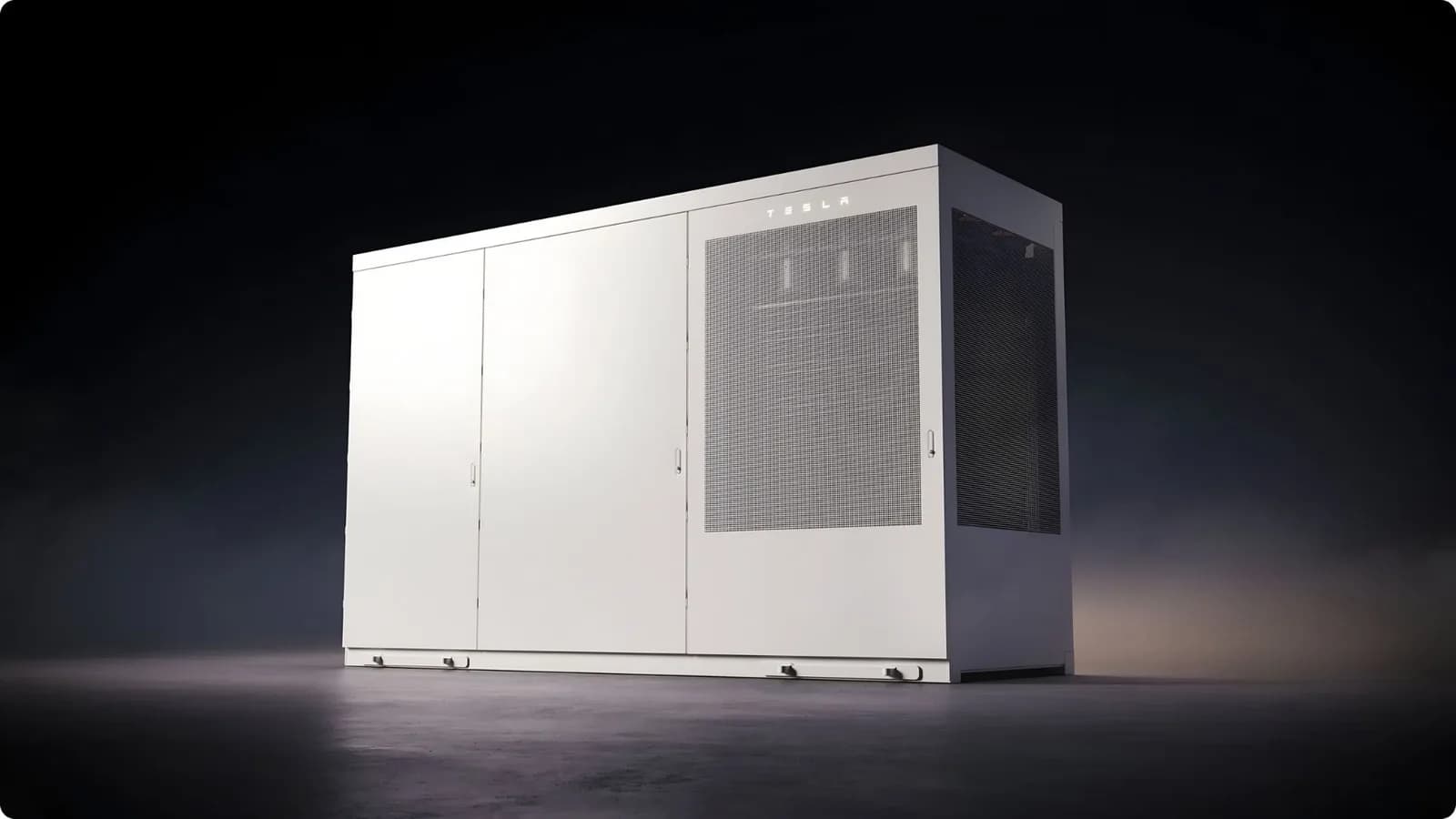
Tesla has unveiled a new power electronics platform that could change how large energy projects connect to the electrical grid. Called Powercore, the system combines several power conversion functions into a single medium-voltage unit. It targets growing electricity demands from data centers, battery storage facilities, and utility-scale solar installations.
The platform aims to reduce conversion losses while simplifying electrical infrastructure. Tesla plans to manufacture Powercore in the United States, with its first units expected to enter operation in 2027.
A new approach to power conversion
Powercore combines the functions of a transformer, inverter, and circuit breaker inside one enclosure. It converts electricity between medium-voltage alternating current (AC) and low-voltage direct current (DC). Conventional installations typically require separate equipment to handle these tasks.
Tesla claims the platform achieves peak efficiency of 98.86 percent. It can deliver up to 9 megavolt-amperes (MVA), equivalent to 7.4 megawatts continuously. Its grid-forming configuration can also reach 10 MVA.
Introducing Powercore
Solid state medium voltage transformer, inverter and breaker – reliable, safe and secure
7.4 MW/9 MVA continuously at 34.5 kVac w/ grid-forming support for 10MVA of peak power
Made in America. Operating 2027 pic.twitter.com/sHxqnpWJrf
— Tesla Megapack (@Tesla_Megapack) November 17, 2026
The system supports AC voltages between 10 and 34.5 kilovolts. Its DC operating range extends from 800 to 2,000 volts. Tesla has also integrated a solid-state circuit breaker that reportedly clears electrical faults up to 1,000 times faster than conventional breakers.
Faster fault clearing can limit electrical damage and improve equipment protection. Powercore also eliminates the flammable insulating oil used in conventional transformers. Its modular design allows technicians to service individual components without replacing the entire unit. Tesla plans to offer warranties of up to 25 years. The company also promises system availability guarantees of at least 99.9 percent.
Targeting next-generation data centers
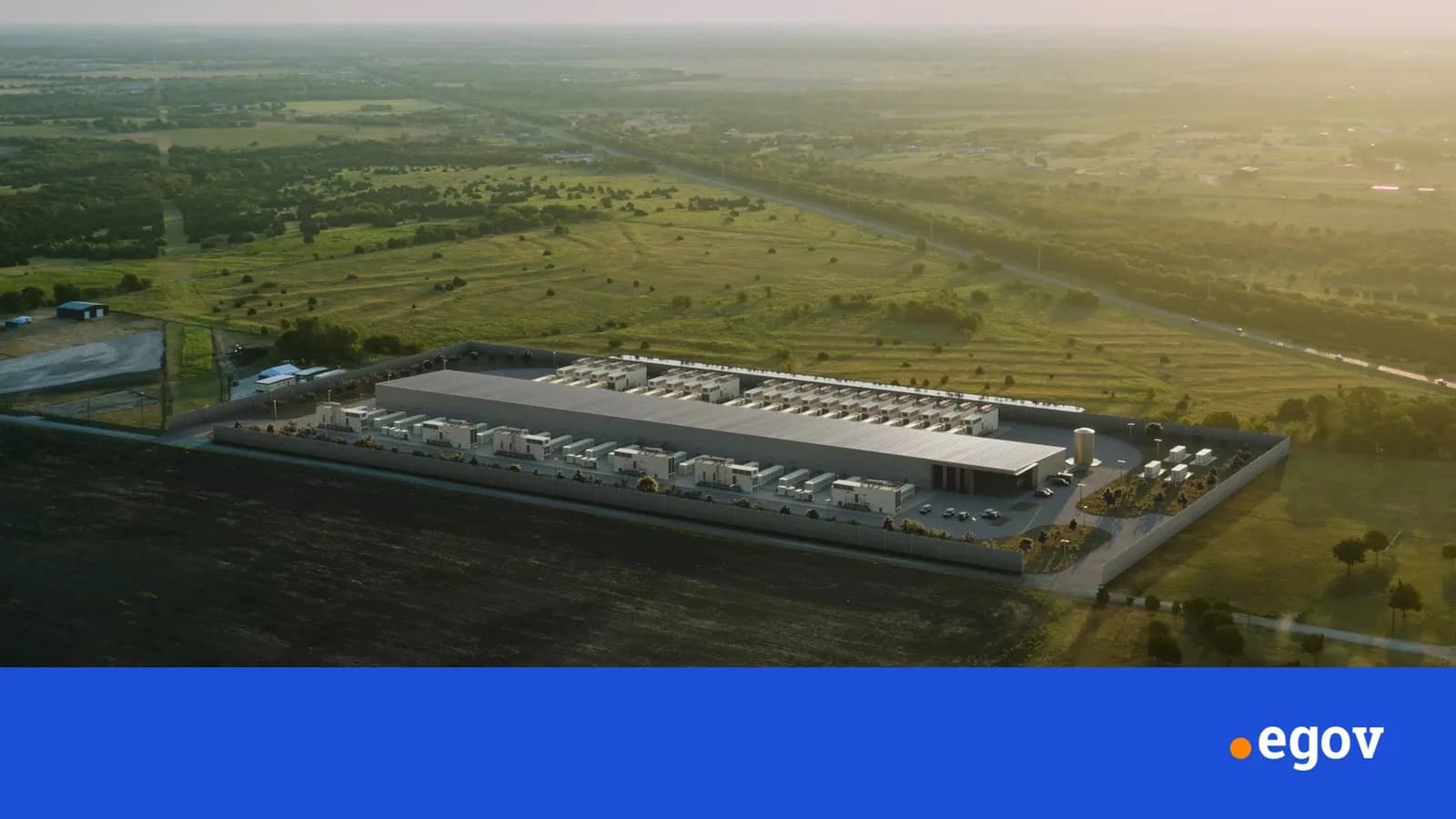
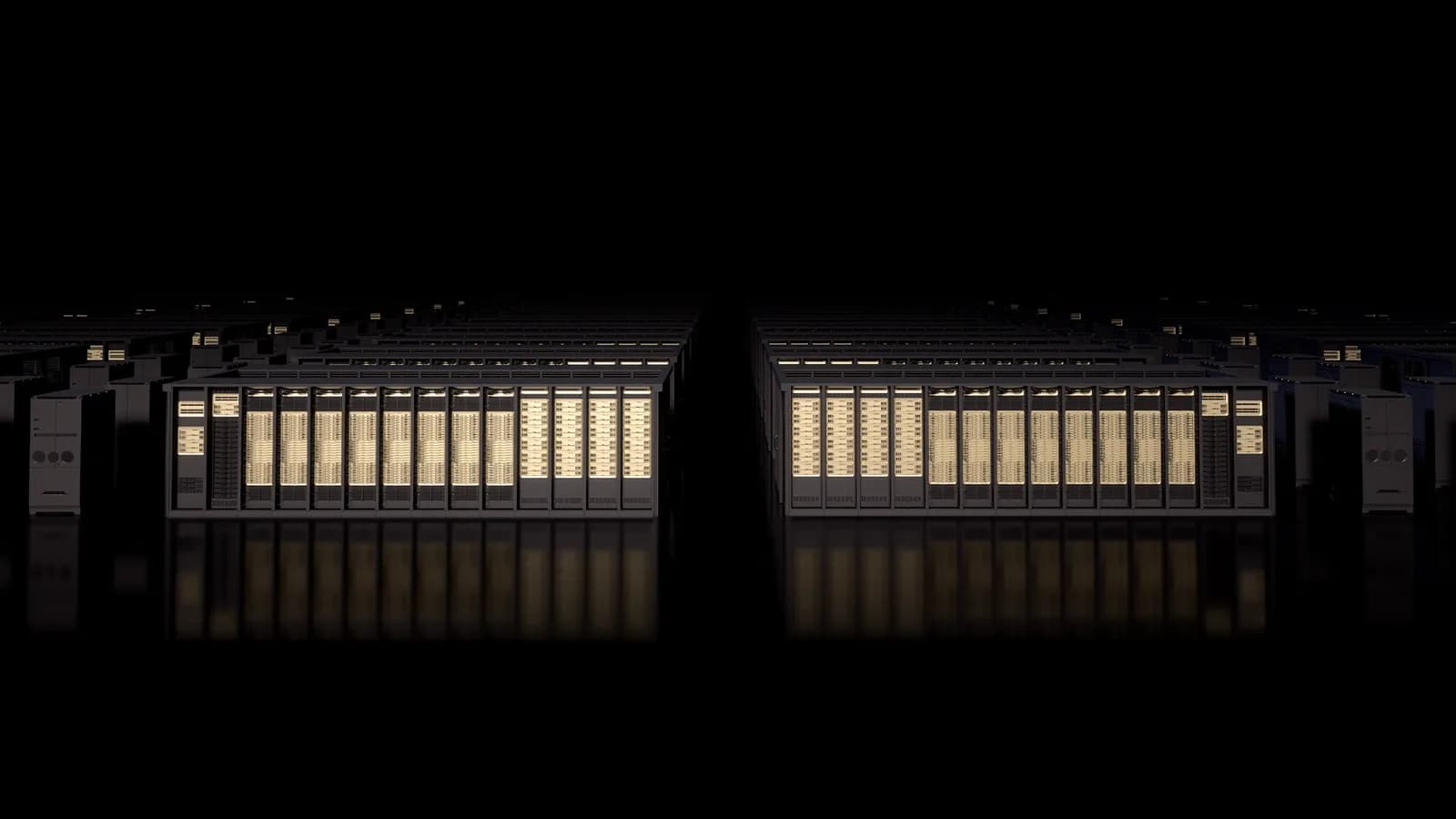
Data centers represent one of the platform’s biggest potential applications. Their growing computing demands require increasingly complex power infrastructure. Most facilities currently receive electricity at 415 to 480 volts AC before converting it for different systems.
The industry is moving toward 800-volt DC architectures. Powercore can convert medium-voltage electricity directly into 800-volt DC. That eliminates intermediate conversion stages and could reduce the equipment needed inside large facilities.
Tesla says lower conversion losses could allow operators to run more GPUs using the same available grid connection. Built-in redundancy also gives Powercore a claimed product-level availability of up to 99.7 percent.
Tesla is working with Nvidia on engineering efforts to support 800-volt DC power architectures in future data centers. Megapack battery systems can also connect directly to the DC bus. They provide backup power and help manage fluctuations in electricity demand.
Bringing solar and storage together
Powercore also addresses challenges facing utility-scale solar developers. Transformer supply shortages can delay new installations, while inverter failures contribute to lost generation. Tesla’s platform converts electricity from solar arrays directly into medium-voltage AC.
It supports existing 1,500-volt DC solar installations and emerging 2,000-volt systems. Its modular design also allows technicians to service components without replacing entire units.
Battery storage projects could benefit from a similar change. Conventional Megapack installations use two conversion stages to move electricity between batteries and the grid. Powercore reduces that process to a single stage, potentially improving efficiency and energy output.
Tesla estimates that a 100-megawatt data center could run on 500 megawatts of solar capacity paired with 1.7 gigawatt-hours of battery storage. The configuration would allow the facility to draw power from solar and storage systems through an 800-volt DC architecture.
Powercore will be manufactured in the United States, although Tesla has not provided a specific production start date. The company currently reports 140 GWh of annual Megapack manufacturing capacity. Of that total, 90 GWh comes from facilities across California, Texas, and Nevada.
Source: https://interestingengineering.com/energy/tesla-powercore-solid-state-power-platform
Get the latest news delivered to your inbox.
Related articles