
Texas A&M students build 50-pound drone that lifts 110 pounds
A team of Texas A&M University aerospace engineering students has built a 50-pound drone capable...
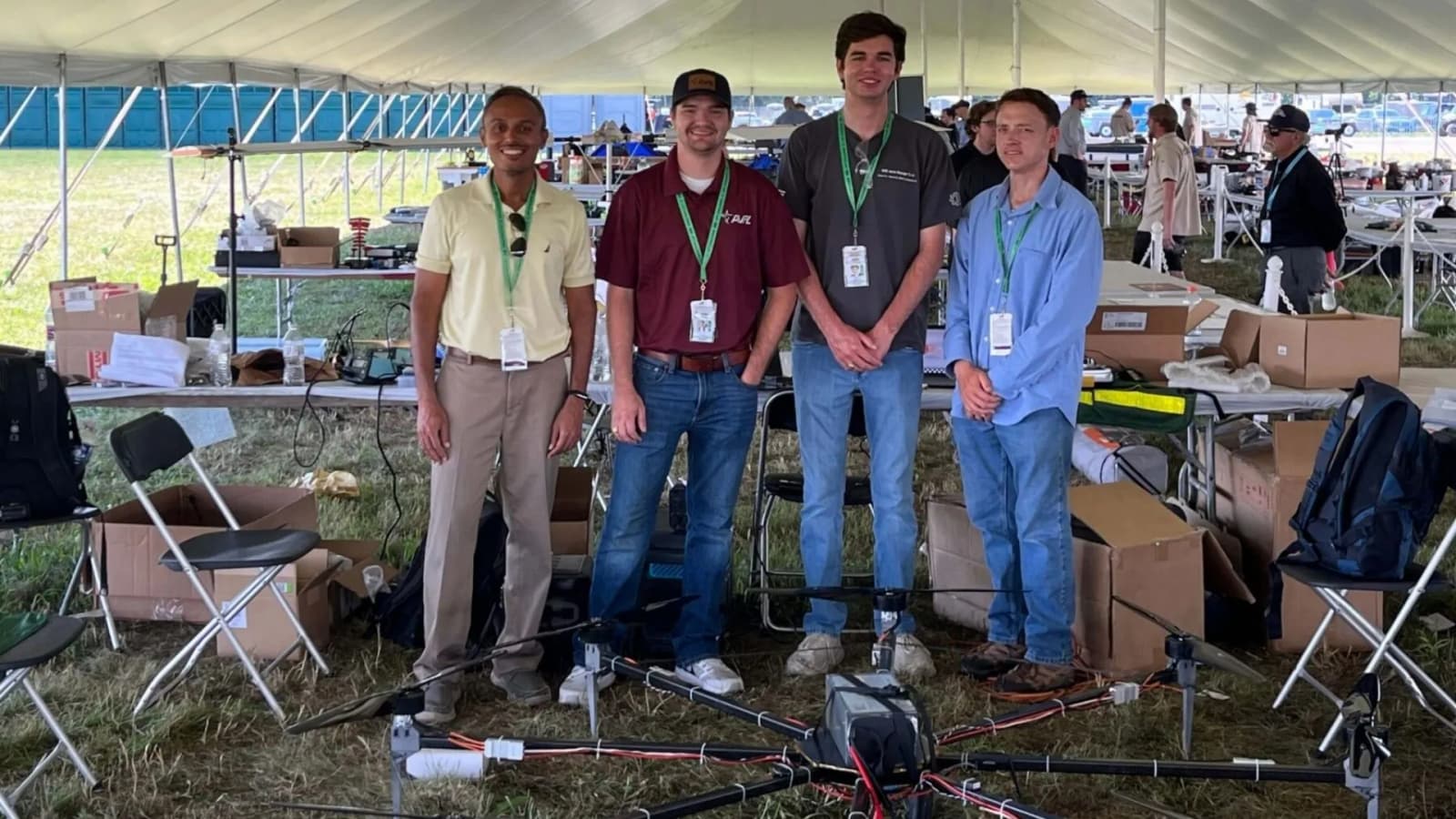
A team of Texas A&M University aerospace engineering students has built a 50-pound drone capable of carrying 110 pounds over four nautical miles, demonstrating a lightweight design at the first Defense Advanced Research Projects Agency (DARPA) Lift Challenge.
Led by aerospace engineering professor Dr. Moble Benedict, the Advanced Vertical Flight Laboratory team was one of just six groups among 87 that completed the competition course on August 9 near the National Museum of the U.S. Air Force in Dayton, Ohio.
The challenge required teams to transport as much weight as possible over the four-nautical-mile course. The Texas A&M drone completed the flight in 12 minutes while carrying barbell weights more than twice its own weight.
Carbon fiber frame weighs just six pounds
The team’s main engineering achievement was reducing the drone’s structural weight while maintaining the strength needed to carry a heavy payload. The final design uses a carbon fiber frame with a central battery and eight arms supporting the motors and propellers. Rather than relying on conventional nuts and bolts, which can add significant weight, the students bonded the structure together.
The resulting frame weighs just six pounds without the battery, despite supporting a drone capable of carrying 110 pounds. “We had to attach the weight in a clever way to allow the structure to be as light as it is,” Benedict said. “Allowing a six-pound drone to carry 110 pounds is the main innovation that we are proud of.”
The team went through several design iterations before arriving at the final configuration, building five prototypes over just eight months. Benedict said the process would ideally take a couple of years, with much of the development time spent on design work and virtual simulations before the physical construction began.
Battery power shaped the drone’s design
The team selected a battery-powered propulsion system, but its weight presented a major engineering challenge. The battery accounted for more than half of the drone’s total weight, forcing the students to account for its mass throughout the flight.
Unlike fuel-powered aircraft, which become lighter as they consume fuel, the drone’s battery weighs the same at the beginning and end of a flight. “A battery weighs the same at the beginning of the flight as it does at the end,” team member Cayden Brown said. “We had to account for the same weight across the journey. A charged battery weighs the exact same as a dead battery.”
A gas-powered system could have reduced weight, but Brown said it would have introduced greater complexity for a multirotor aircraft.
Potential uses include disaster relief and surveillance
The first DARPA Lift Challenge attracted around 480 concept submissions, with 110 teams invited to compete. Of the 87 groups that reached the competition, only six completed the course.
Texas A&M’s team hopes to continue refining its prototype, which had a materials cost of approximately $10,000. Benedict said the design could eventually support applications such as disaster relief, package delivery, and surveillance.
The drone remains a prototype, and the competition demonstrated its payload-carrying capability rather than establishing its readiness for operational deployment.
“We’re very proud of this product,” Benedict said. “It’s still a prototype at this point, but it has the potential to be used for many realistic missions, especially for disaster relief efforts and surveillance.”
Source: https://interestingengineering.com/ai-robotics/texas-am-students-heavy-lift-drone-darpa-challenge
Related articles

Sam Altman says OpenAI won’t go public until its models are safe
For months, people have wondered when OpenAI will go public. CEO Sam Altman says it won't happen until the company can make better promises about model safety, with no firm timeline in sight.
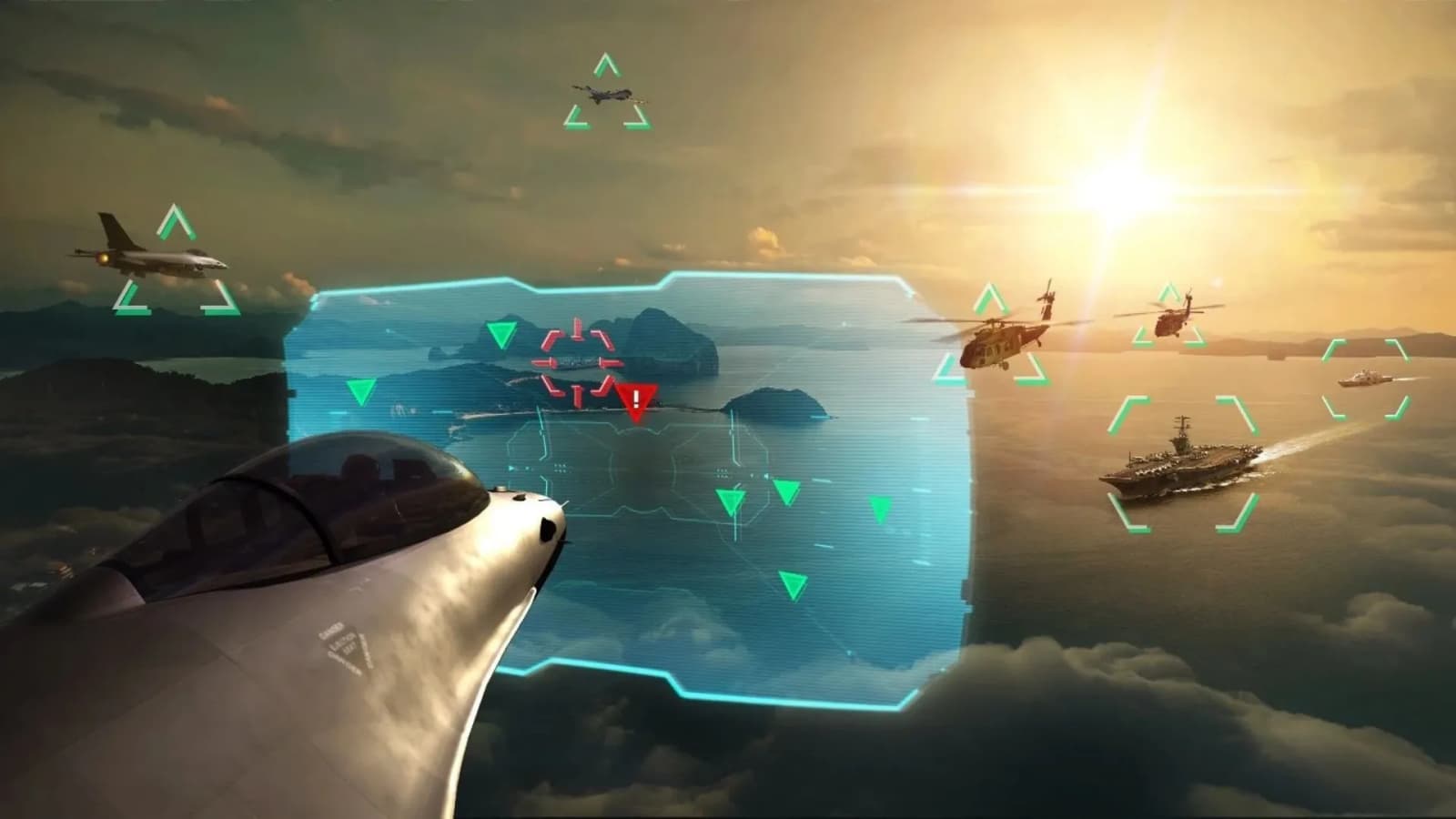
1,500-mph F-16 gets drop-in one-box system to spot friend from foe in combat faster
BAE Systems has received U.S. certification for a new Identification Friend or Foe (IFF) system...
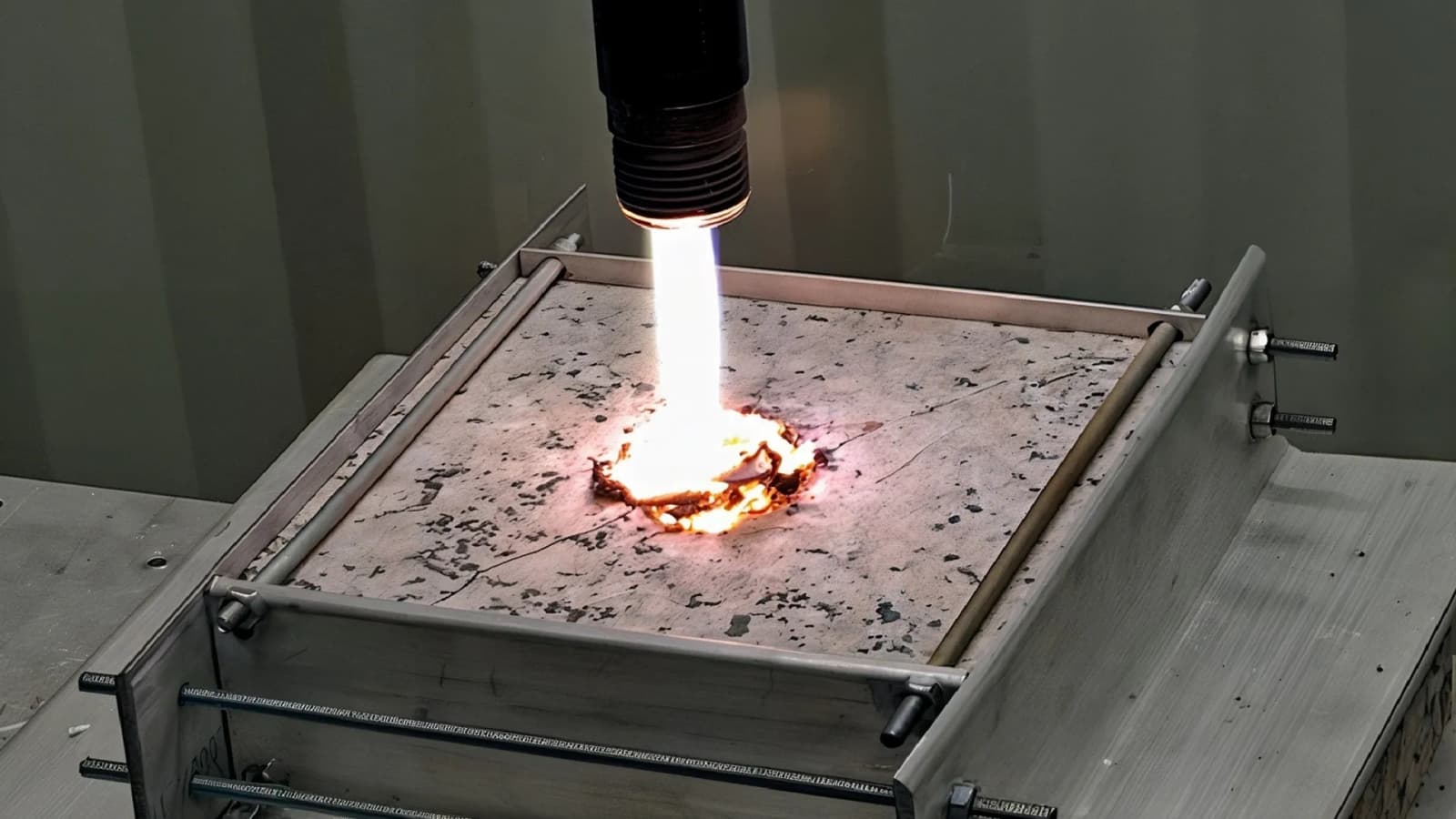
Fusion-built gyrotron uses millimeter waves to drill into superhot geothermal rock
Quaise Energy is turning to hardware developed for fusion reactors to help drill into some...

Elon Musk’s AI-powered Grokipedia is updating again
Grokipedia, the AI-powered online encyclopedia from SpaceXAI, appears to be updating articles once again after a months-long pause.

Suspected ShinyHunters leader arrested in the Netherlands
Dutch police say they arrested a 24-year-old Amsterdam man in connection with ShinyHunters, the hacking group that claimed responsibility for high-profile attacks on Ticketmaster, Rockstar Games, and…

Trump, major tech executives sign ‘morally binding’ voluntary safety accord
U.S. President Donald Trump and executives from some of the world’s biggest technology companies have...