Trump warns US tech firms of massive taxes for overseas data centers amid China fears
U.S. technology companies could face steep financial penalties if they build artificial intelligence data centers...
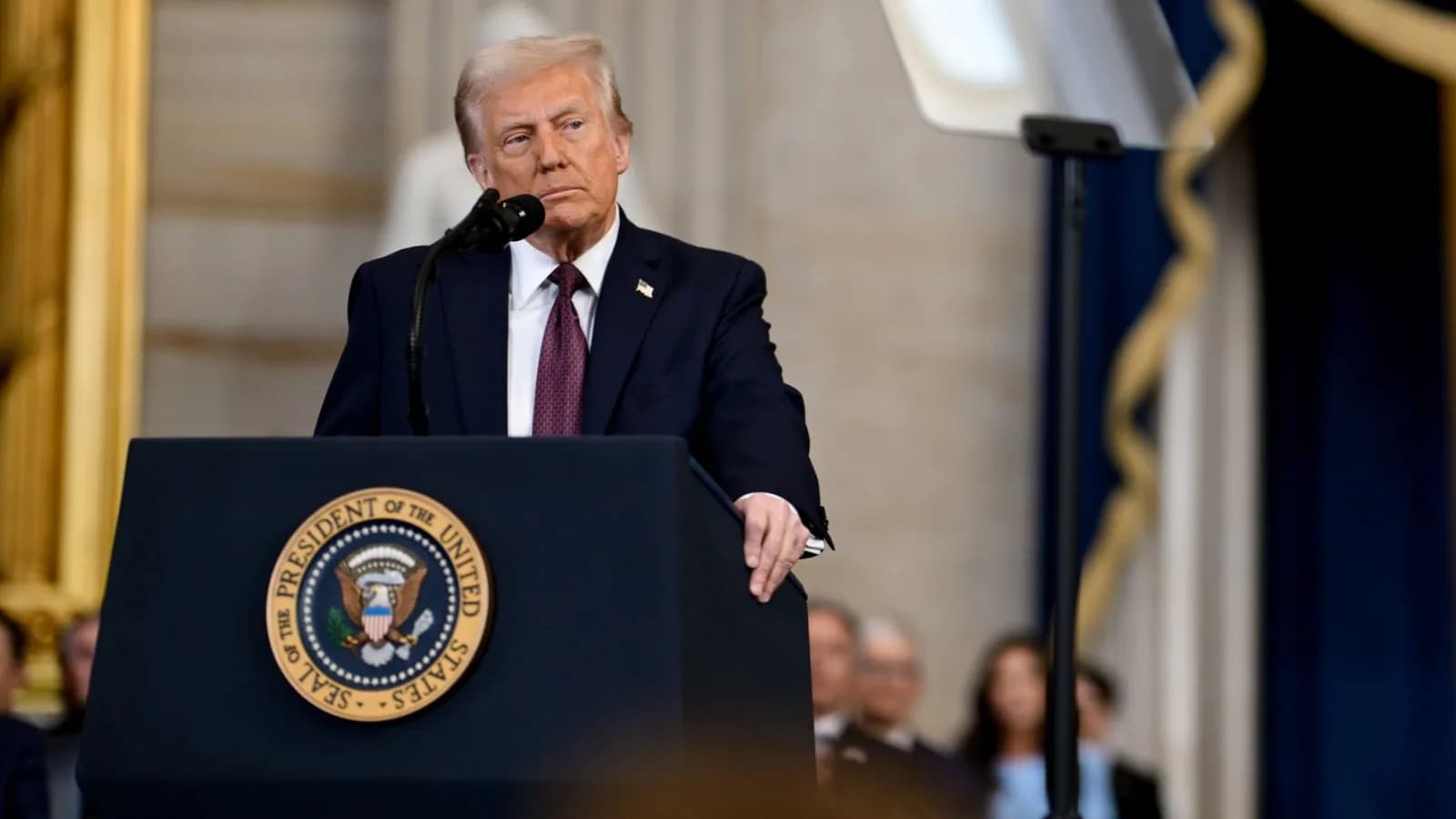
U.S. technology companies could face steep financial penalties if they build artificial intelligence data centers outside the country. President Donald Trump announced the threat Friday, arguing that overseas construction could give China greater access to critical computing infrastructure.
Speaking during a White House press briefing, Trump said his administration would impose substantial penalties on companies pursuing such projects. He did not outline a specific tax structure or explain how officials would enforce the proposed restrictions. Trump also acknowledged that he had not discussed the plan with his administration.
The warning adds another dimension to Washington’s efforts to maintain America’s technological advantage over China. It also raises questions about how U.S. technology companies will approach their increasingly international infrastructure investments.
Trump wants infrastructure at home
Trump argued that American companies should prioritize domestic construction instead of expanding their data center operations overseas. He suggested that communities should welcome these facilities while negotiating financial benefits with developers.
“You ought to take advantage of the data centers,” Trump said. He encouraged local officials to secure payments for their communities instead of blocking construction projects.
His remarks reflect an administration that wants to accelerate domestic computing infrastructure. However, opposition from American communities has complicated that ambition.
Large data centers require substantial electricity and supporting infrastructure. Their construction can also place additional pressure on local power networks. Residents have increasingly questioned whether the economic benefits justify these demands.
The growing resistance has forced technology companies to reconsider how they approach potential host communities. Several industry leaders now promise greater transparency and stronger financial commitments.
Tech giants face local opposition
Google and Meta have acknowledged growing mistrust surrounding data center construction. Executives from both companies told The Associated Press they are working to improve communication with communities.
Technology companies have also offered financial incentives to secure local support. Some developers promise fewer taxpayer subsidies and greater contributions toward community infrastructure.
Environmental commitments have become another important part of these negotiations. Companies are attempting to address concerns about resource consumption while defending data centers’ economic importance.
The political consequences extend beyond individual construction projects. Opposition to large facilities became an important issue during the midterm election campaign. Rising electricity prices also fueled criticism of the industry’s expanding infrastructure requirements.
Democratic candidates capitalized on those concerns by promising stronger oversight of energy-intensive developments. Local resistance has also created permitting obstacles for companies seeking construction approvals.
Congress targets energy infrastructure
Washington is simultaneously pursuing legislation that could accelerate domestic infrastructure development. The Republican-led Senate approved bipartisan permitting reform legislation Thursday. The proposal now moves to the House of Representatives.
The legislation seeks to shorten reviews for power plants, transmission lines and other major energy projects. These changes could help developers address the electricity requirements of expanding data center networks.
Importantly, the proposal also seeks to ensure data center operators cover their electricity consumption. Developers would also contribute toward improvements to the wider transmission network.
Trump praised the Senate legislation, predicting substantial construction activity if it becomes law. His administration has also tightened restrictions on remote access to advanced American computing chips and servers.
Those restrictions target China’s ability to obtain American technology for training advanced artificial intelligence models. Together, these policies reflect Washington’s broader effort to strengthen domestic computing capacity.
Source: https://interestingengineering.com/ai-robotics/trump-penalties-tech-firms-data-centers-china
Get the latest news delivered to your inbox.
Related articles