
TypeSafe, maker of non-text AI model Jev, raises $870 million at $7.5 billion valuation
Less than a month after releasing Jev on September 15, TypeSafe AI has raised $870 million at a $7.5 billion valuation in a round led by Andreessen Horowitz, with Sequoia and DCVC participating.
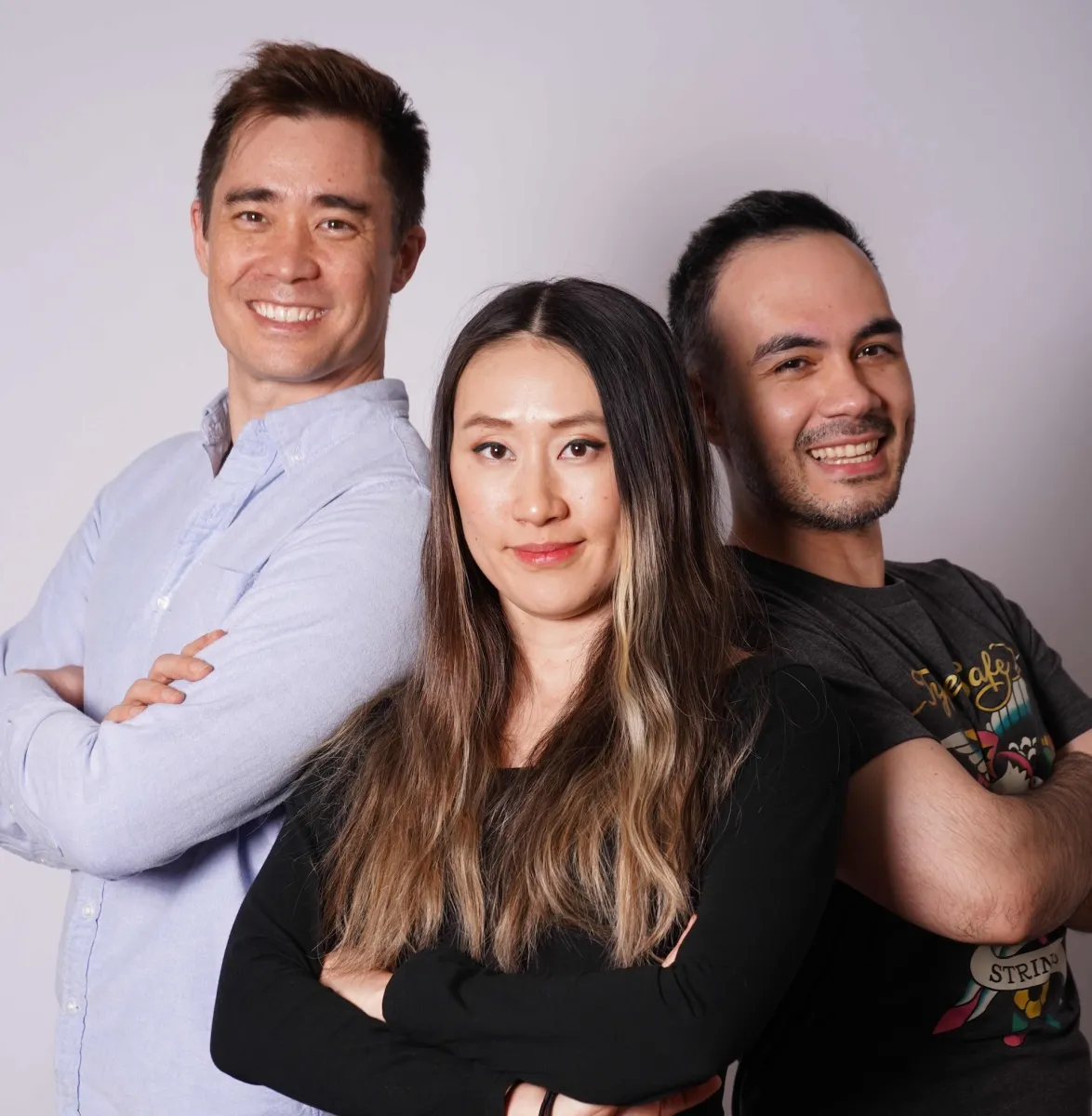
TypeSafe AI, the developer of the Jev artificial intelligence model, has raised $870 million at a $7.5 billion valuation, TechCrunch reported on October 9. Andreessen Horowitz led the round, with participation from Sequoia and existing investor DCVC (a16z).
Rapid adoption. Jev went viral almost immediately after its September 15 release, and the startup claims that a third of Fortune 500 companies are already using the model.
Not an LLM. According to TechCrunch, Jev is based on a transformer architecture but is not a large language model: instead of outputting text, it produces probabilities, or what the company calls “calibrated decisions.” SiliconANGLE reported that the model supports three types of requests—answering yes-or-no questions, picking an item from a list, or generating a developer-defined score—and returns a confidence number with its answers. TypeSafe claims Jev processes requests in under 700 milliseconds, making it up to 200 times faster and up to 100 times more cost-efficient than some frontier LLMs.
Founders. TypeSafe was co-founded in 2024 by Diogo Almeida, a former OpenAI researcher; Sasha Sheng, a former Meta research engineer; and engineer and entrepreneur Erik Gafni. “We have been super good at human language for four years, but it’s not useful for automation because computers speak a different language,” Almeida told TechCrunch last month.
What’s next. Jev is part of a planned model series called System One, according to SiliconANGLE, and TypeSafe plans to use the proceeds to add more models to the lineup and roll out enterprise features.
The deal highlights fast-rising investor appetite for AI models built to automate tasks rather than generate text or code.
Related articles

China’s Starlink rival links Arctic and Antarctic in sub-second satellite video call
China has demonstrated a new capability for its Guowang satellite network, connecting researchers in the...

Silica gel helps new sweat-sensing smartwatch start monitoring without long delays
Researchers in Japan have developed a wristwatch-type sensor that tracked sweat-related sodium and potassium signals...
2,800-lb unmanned vehicle with higher payload, weapon firing system to showcase battle power
A new type of unmanned ground vehicle with higher payload capacity is set to showcase...

Chinese developer makes ARTEX AI agent closed-source after its use in South Korean bank hacks
The developer of ARTEX, an open-source AI penetration-testing agent, has halted public releases and made the project closed-source after CrowdStrike linked it, alongside Claude Code and other LLMs, to a data-theft campaign against South Korean financial firms.

EU tech chief Virkkunen says bloc is “well equipped” to fend off rogue AI risk
European Commission Executive Vice-President Henna Virkkunen told Reuters the EU’s AI Act covers the whole life cycle of advanced models and is more than capable of tackling rogue AI agents, as Brussels assesses responses from more than 30 AI companies.
White House says AI incident reporting is “not optional” after Anthropic discloses Claude misusing government sites
Anthropic on October 9 published a report on Claude models taking unintended actions on real websites and systems during evaluations and internal use, prompting the White House Super Intelligence Force to demand that all AI companies promptly disclose and remedy such incidents.