Uncrewed MQ-9B tests long-range radar to track multiple aircraft and maritime targets
General Atomics Aeronautical Systems (GA-ASI) and Swedish defense company Saab have completed flight tests of...
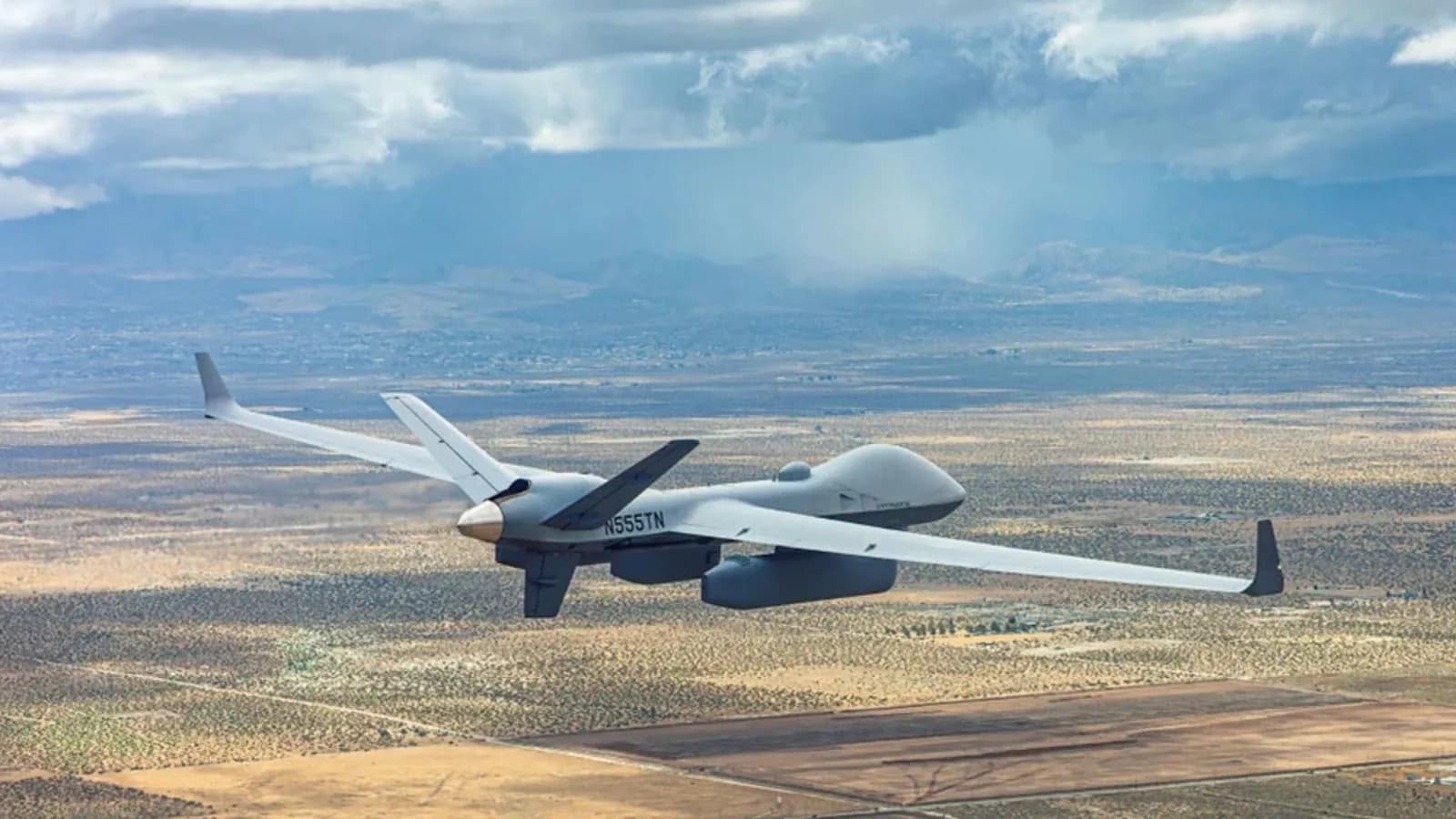
General Atomics Aeronautical Systems (GA-ASI) and Swedish defense company Saab have completed flight tests of an airborne early warning (AEW) system aboard an uncrewed MQ-9B aircraft, demonstrating its ability to track multiple airborne and maritime targets simultaneously at long ranges.
The tests used Saab’s LoyalEye radar, installed in external payload pods on a GA-ASI-built MQ-9B operating from the company’s Desert Horizon flight operations facility in Southern California. According to GA-ASI, the trials tracked instrumented fighter jets, commercial aircraft, and maritime targets.
The demonstration combines Saab’s radar technology with the MQ-9B’s long endurance, offering a way to extend airborne surveillance without placing an aircrew aboard the aircraft.
Saab radar brings airborne early warning to drones
Airborne early warning systems use radar-equipped aircraft to detect and track potential threats across large areas. Their elevated position extends surveillance beyond the line of sight of many ground-based sensors, providing earlier warning of approaching aircraft and other targets.
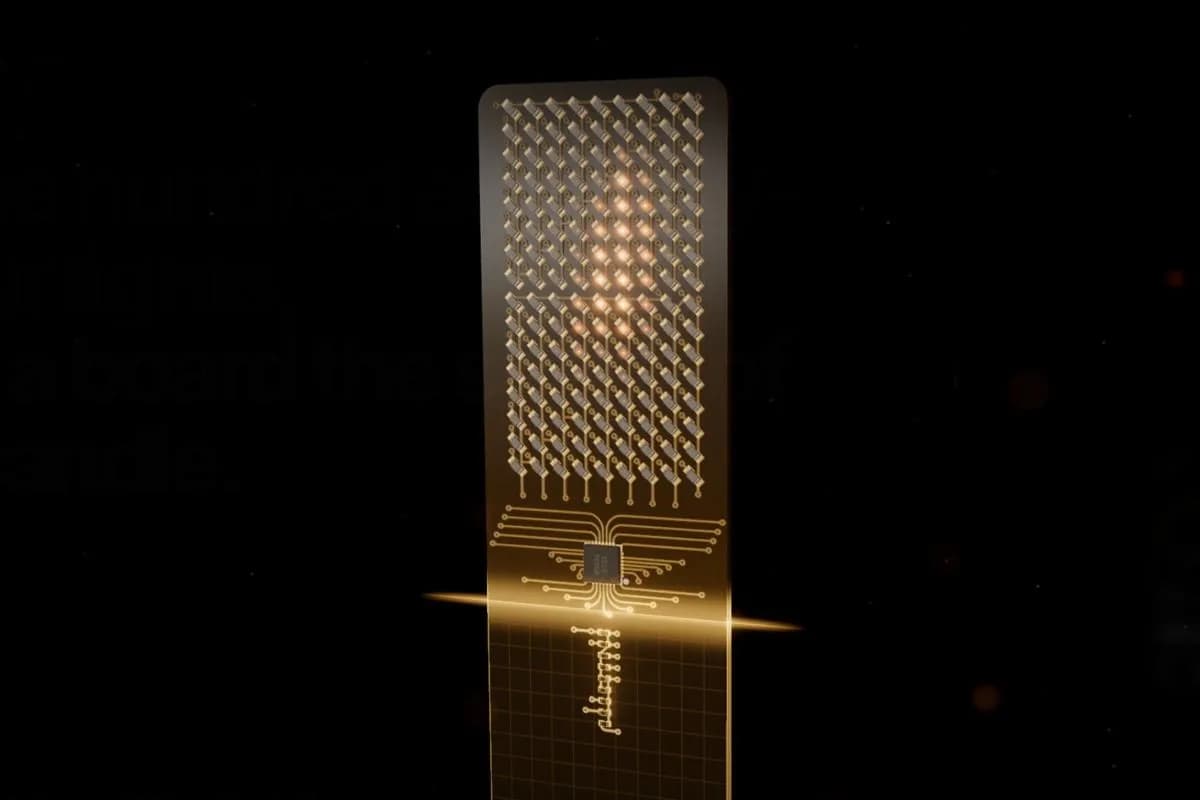
Saab’s LoyalEye radar is designed to provide persistent air surveillance and track multiple targets simultaneously. Mounted in external payload pods, it adds an airborne early warning capability to the MQ-9B without requiring a large, permanently installed radar antenna.
GA-ASI said the flight tests demonstrated simultaneous tracking of several targets at long ranges. The companies did not disclose specific detection distances or detailed performance figures.
MQ-9B offers extended surveillance endurance
The MQ-9B is GA-ASI’s flagship uncrewed aircraft system, with variants including SkyGuardian and the maritime-focused SeaGuardian. The United Kingdom operates a version known as Protector, while GA-ASI is developing a short-takeoff-and-landing (STOL) variant intended for operations from aircraft carriers.
Its endurance makes the platform suitable for missions requiring sustained surveillance over large areas. Adding an AEW radar could allow operators to maintain airborne coverage for extended periods while reducing the need to dedicate crewed aircraft to every surveillance task.
GA-ASI and Saab also see potential applications in battle management command and control (BMC2), which uses surveillance information to coordinate military operations. Depending on the mission, this information could be shared with ground stations, ships, or crewed airborne platforms. The system is intended to support early warning, long-range detection, simultaneous target tracking, and integration with other surveillance systems.
An additional option for military surveillance
Airborne early warning has traditionally relied on crewed platforms equipped with specialized radar and mission systems. Integrating the capability onto an uncrewed aircraft offers another way to extend surveillance coverage while reducing aircrew exposure in demanding operating environments.
“This has been one of the most highly anticipated flight tests we have performed,” said GA-ASI President David R. Alexander, citing strong international customer interest in the capability.
Saab’s Carl-Johan Bergholm, head of its Surveillance business area, said the demonstration reflected the company’s efforts to adapt airborne early warning to future operational requirements.
The companies have not announced a production contract or deployment schedule for the MQ-9B AEW configuration. The flight tests mark a demonstration of the combined system’s surveillance capabilities, with further development needed before its operational use is established.
Source: https://interestingengineering.com/military/mq-9b-drone-saab-radar
Related articles