US boosts interceptor missile’s production, uses automation to accelerate delivery
A Maryland-based company is advancing production of its interceptor weapon using automation. Lockheed Martin is...
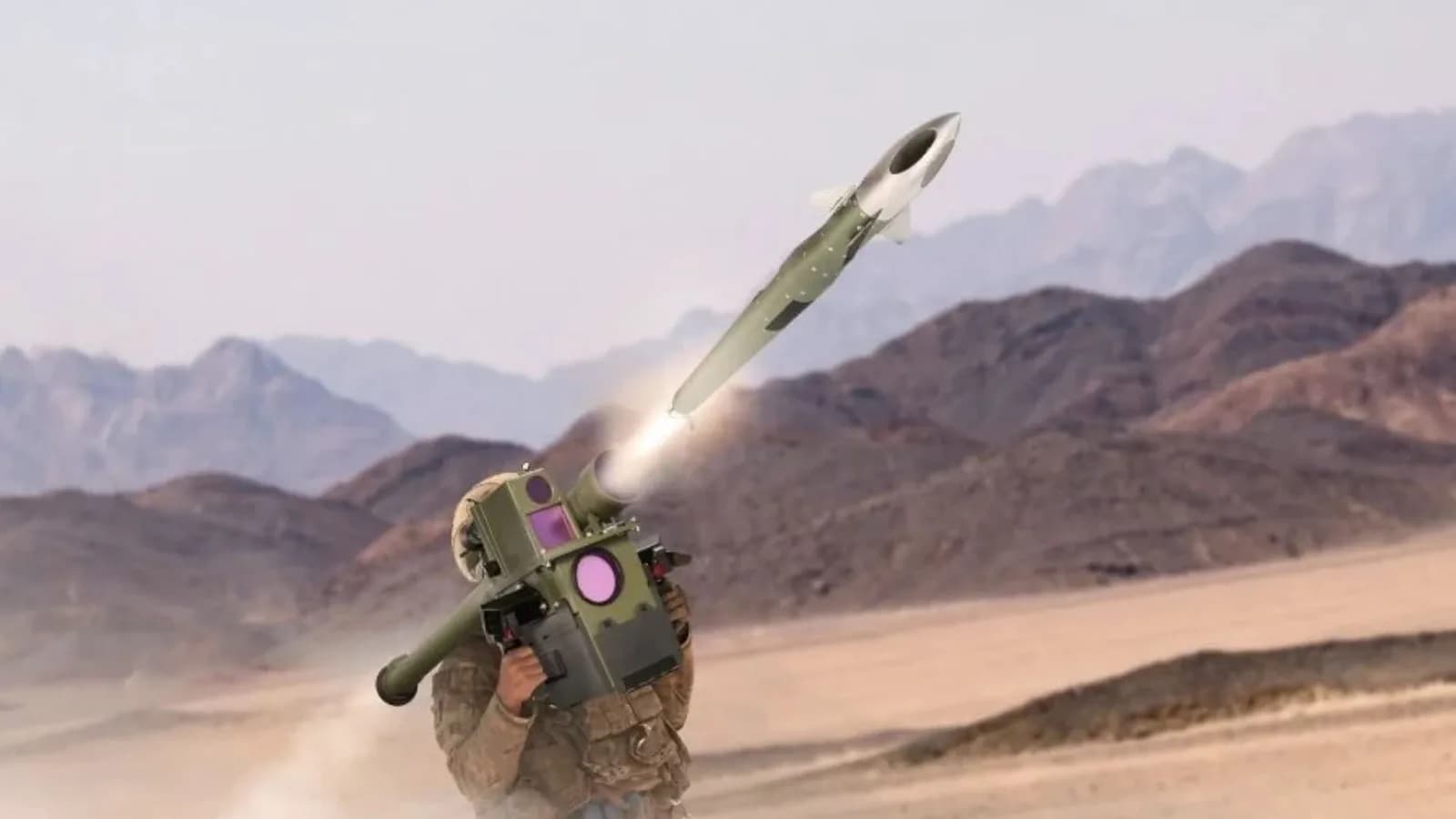
A Maryland-based company is advancing production of its interceptor weapon using automation. Lockheed Martin is streamlining the production of QuadStar missiles.
Parallel to the agile final assembly line, Lockheed Martin stood up a dedicated automation cell that runs side‑by‑side with each tactical build. This set-up early learnings, feeds real‑time feedback to our engineers, and continuously refines the assembly sequence.
Digital twin of QuadStar missile production
These efforts automate tasks and build a living, data‑rich “digital twin” of the QuadStar missile production process. The result is a feedback loop that sharpens producibility at the point of manufacture, rather than after the fact.
By leaning into advanced manufacturing investments and strategic supplier selections, the team is driving down the unit cost of every QuadStar missile while accelerating delivery timelines. In a competitive procurement environment, that cost‑performance edge is the differentiator which sets Lockheed Martin apart, according to a press release.
Camden facility sets industry standard
The QuadStar’s production at Camden facility sets an industry standard for high‑performance munition manufacturing. By harvesting lessons learned from programs such as the Patriot Advanced Capability-3 Missile Segment Enhancement (PAC-3 MSE) and the Guided Multiple Launch Rocket System (GMLRS), the Next-Generation Short-Range Interceptor (NGSRI) team can leverage a production philosophy that is both aggressive and disciplined.
Lockheed Martin engineers, production supervisors and supply chain partners collaborate under a single “producibility first” umbrella, ensuring that every new component passes a rigorous manufacturability review before it reaches the line.
In the NGSRI program, automation is being used as an integrated mechanism for improving manufacturing readiness and production efficiency. The dedicated automation cell operates alongside the assembly process, allowing the team to gather real-time feedback and continuously improve manufacturing sequences.
The company’s approach, described as ‘Born Digital, Born Automated’, reflects a broader shift towards designing manufacturing capabilities alongside the product itself, rather than introducing automation after production has already begun.
These efforts have helped identify production bottlenecks, reduce rework and lower manpower requirements. The company also reports that the approach is expected to compress the initial production flow to nearly half the duration associated with traditional processes.
The integration of automation from the outset also provides manufacturers with greater visibility into production performance, allowing them to address inefficiencies before they become larger operational challenges.
The use of digital manufacturing tools enables the team to evaluate different production scenarios and identify potential constraints in advance. This forward-looking approach is intended to ensure that manufacturing capacity can expand without creating unnecessary pressure on existing production activities.
The underlying principle is that production scalability should be incorporated into programme planning from the beginning, rather than treated as a challenge to be addressed after demand increases.
The ‘Born Digital, Born Automated’ plan demonstrates that the future competitiveness of defence manufacturers will depend not only on the sophistication of the systems they develop but also on the efficiency, flexibility and resilience of the industrial infrastructure behind them.
Get the latest news delivered to your inbox.
Related articles