US: NASA’s crew completes 378-day simulated Mars mission in 3D-printed habitat
Four research volunteers completed a 378-day simulated Mars mission at NASA’s Johnson Space Center in...
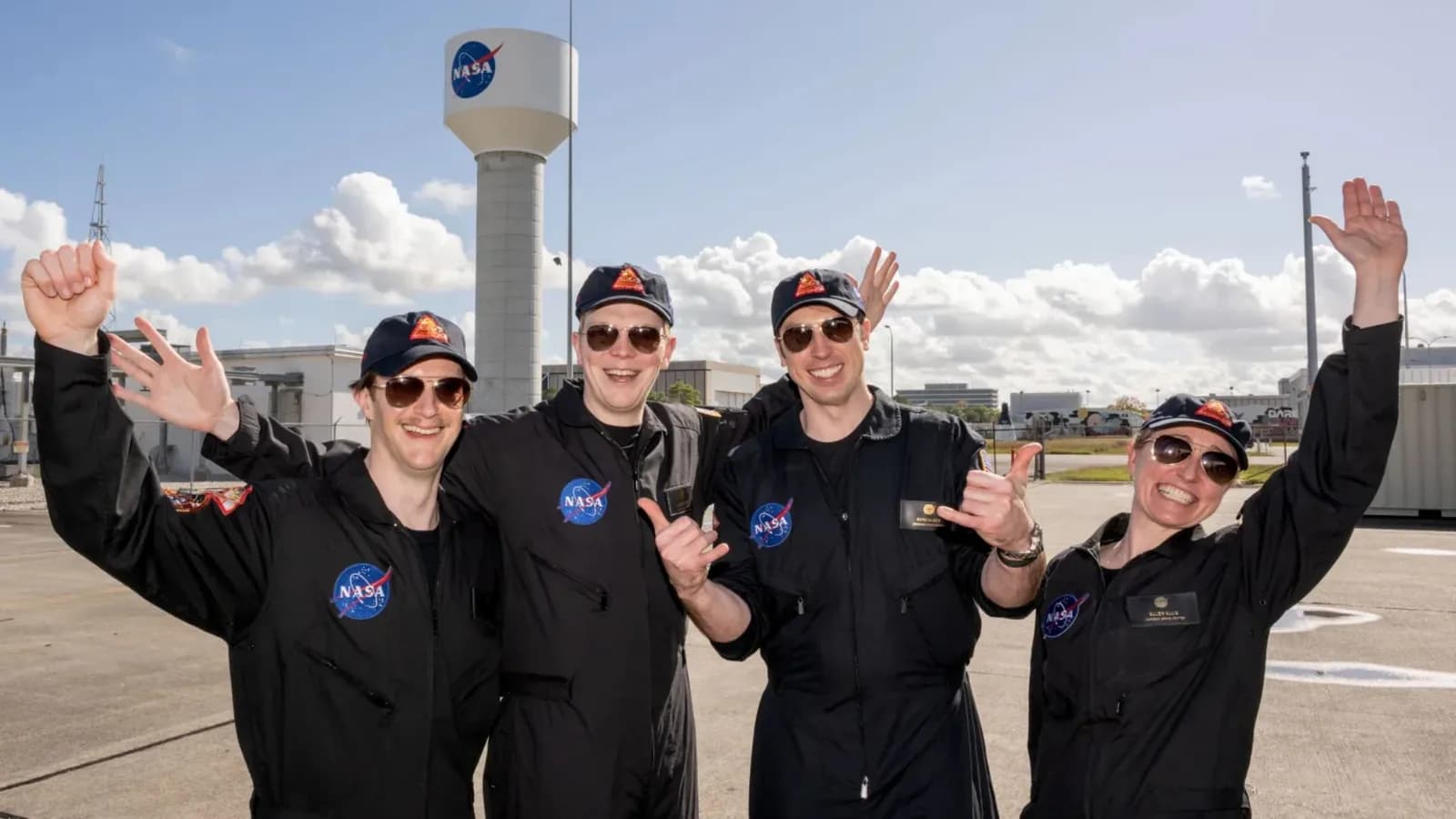
Four research volunteers completed a 378-day simulated Mars mission at NASA’s Johnson Space Center in Houston, Texas, on October 31, 2026. The crew emerged from Mars Dune Alpha, a 1,700-square-foot (158-square-meter) 3D-printed habitat, concluding the second mission of NASA’s Crew Health and Performance Exploration Analog (CHAPEA) program.
The experiment examined prolonged isolation, limited resources, and communication delays. The four participants entered the habitat on October 19, 2025. Instead of speaking with loved ones in real time, they relied on delayed email communication. The crew members were Commander Ross Elder, Medical Officer Ellen Ellis, Flight Engineer James Spicer, and Science Officer Matthew Montgomery. For 378 days, they lived without windows or real-time calls with family and friends under conditions designed to simulate a planetary expedition.
Technical research and Mars exploration activities
The crew conducted simulated Marswalks, operated robotic systems, maintained habitat equipment, exercised, cultivated plants, and participated in medical research. They remotely operated drones and rovers to survey the simulated Martian landscape and identify or collect geological samples. They also tracked everyday supplies, including dish soap and respirator filters, to understand how inventory management affects long-duration missions.
Elder, a U.S. Air Force experimental test pilot applied his flight experience while leading the crew. He noted similarities between simulated Marswalks and robotic operations and emphasized the importance of rest, fitness, and nutrition. Ellis, a U.S. Space Force officer, helped organize biological sample collection for medical studies. She described the crew’s practical problem-solving approach as “tactical creativity” and emphasized the need for coordinated ground support. Spicer applied his background in satellite communications and spacecraft development to habitat maintenance. The crew monitored food, water, cleaning supplies, and air filters. He reflected that the relationships formed during the mission made the experience “not a chore, but a joy.”
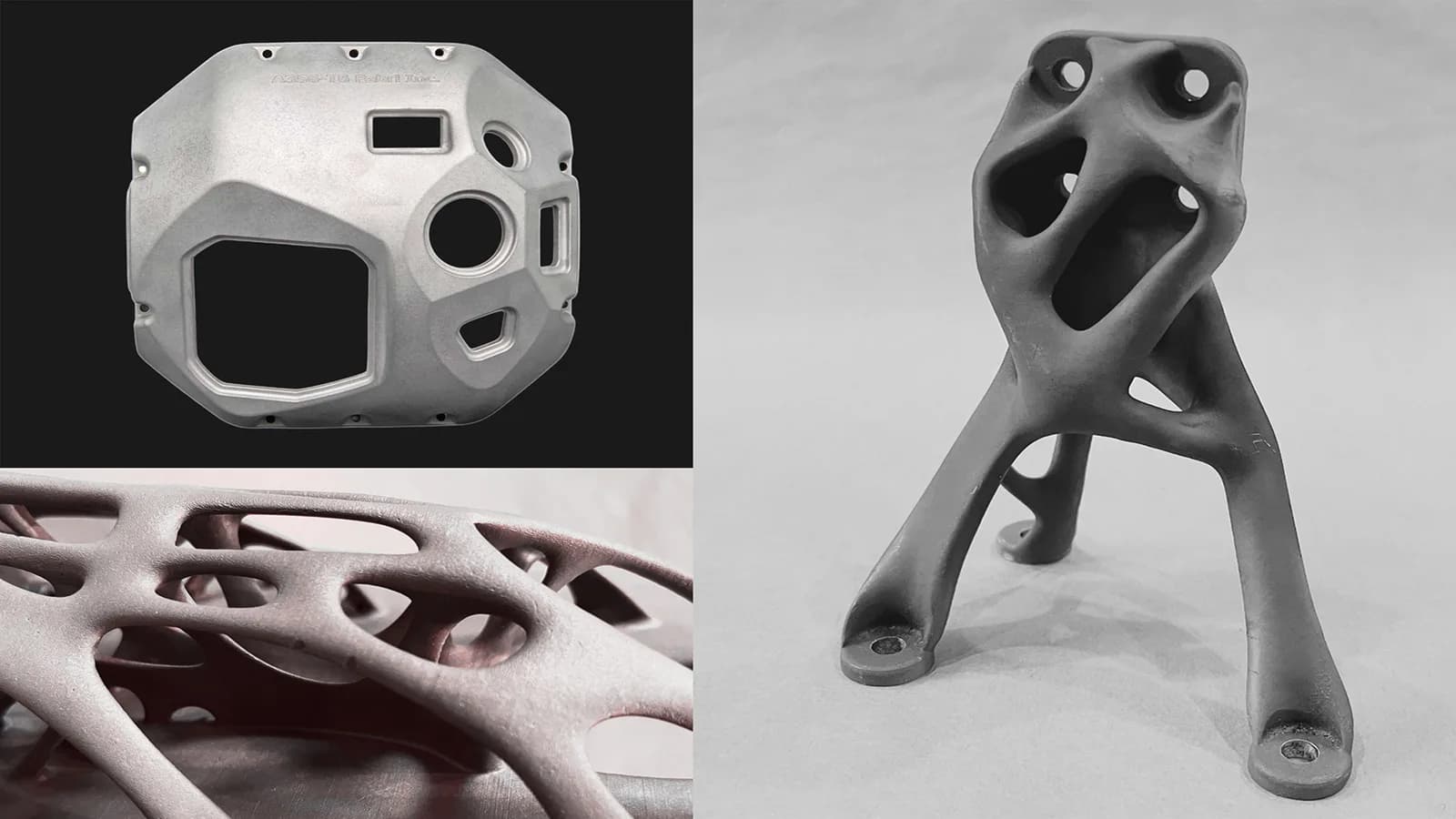
Montgomery, the science officer, contributed experience in hardware engineering, robotics, and indoor agriculture. He supported the habitat’s 3D-printing capabilities, helped identify rock samples, and conducted a seed-germination experiment comparing a control group with simulated Martian soil. He also focused on crew safety and data quality, emphasizing that “people that make exploration possible” are central to space exploration.
Communication challenges and lessons for future missions
The simulated mission included communication delays of up to 22 minutes each way as signals travel between Earth and Mars. Future crews may therefore need to make decisions and resolve problems more independently. Health monitoring and specialist support were also important, while regular exercise and nutrition routines helped participants manage physical demands.
Johnson Space Center Director Vanessa Wyche said, “Their work means more than completing a mission,” highlighting the research’s value for future exploration. NASA astronaut Jack Hathaway praised the crew’s “immense physiological and psychological strength, teamwork, and human grit.”
After leaving the habitat, the participants began a two-week post-mission evaluation and debriefing period. Principal Investigator Grace Douglas said researchers are examining crew health and performance alongside communication and resource-management challenges. Project Scientist Sara Whiting described the research as “the now moment for this kind of data.”
CHAPEA Mission 2 follows the program’s first simulated Mars mission, which ended on July 6, 2024. The findings will inform future Moon and Mars exploration, including sustained human operations near the lunar south pole.
Source: https://interestingengineering.com/space/nasa-378-day-mars-simulation
Get the latest news delivered to your inbox.
Related articles