
US particle detector moves underground to protect nuclear fusion plant water supplies
Optical fibers and miniature silicon sensors designed for nuclear physics experiments are being sent underground....
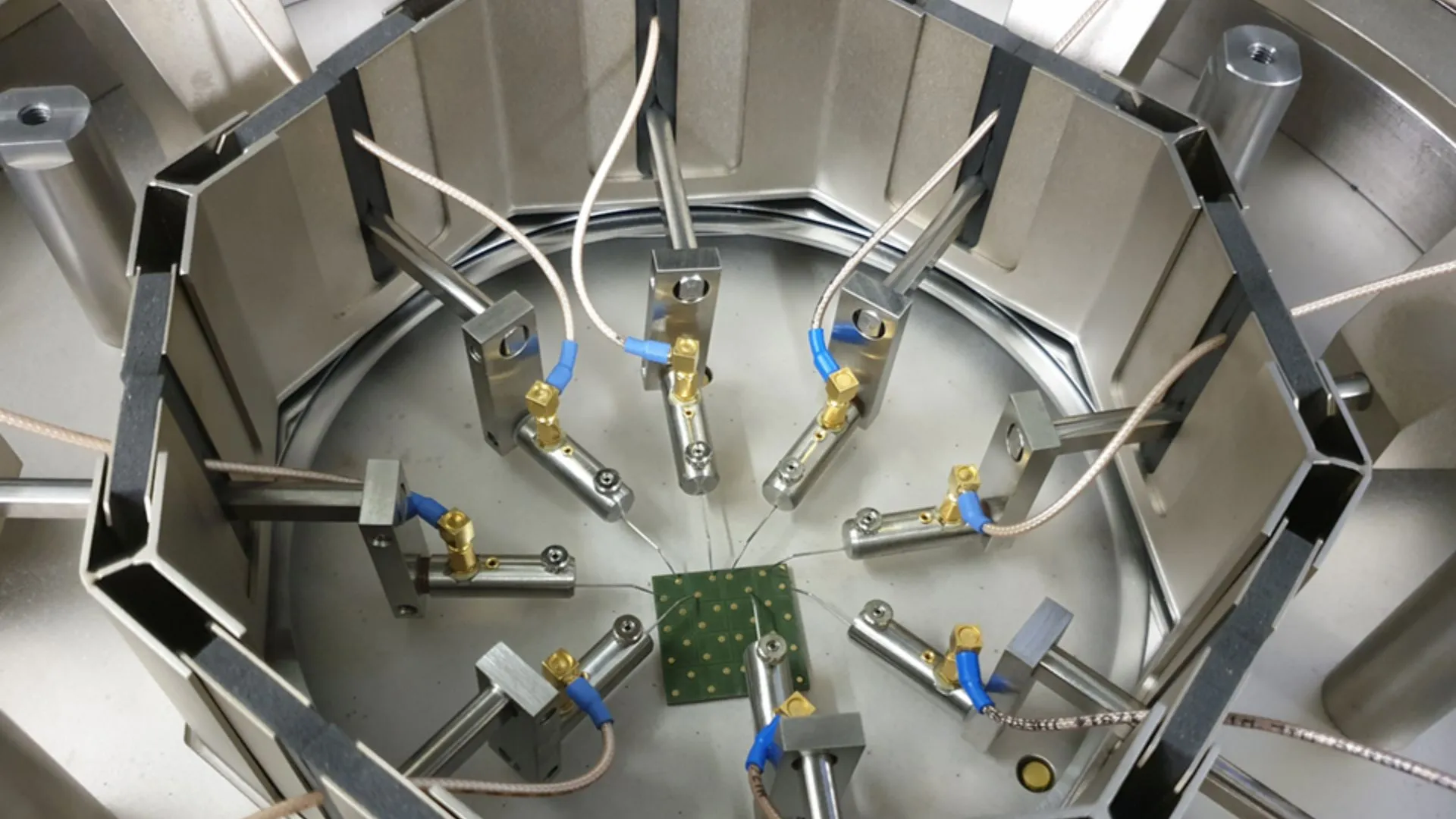
Optical fibers and miniature silicon sensors designed for nuclear physics experiments are being sent underground. Their new mission is to protect drinking water supplies near upcoming commercial fusion power plants. The device is called the Subsurface Continuous Radioisotope Environmental Monitor.
It watches over soil and groundwater in real time. Its main job is to find any leaks of tritium. Tritium is a rare radioactive isotope of hydrogen used to fuel fusion reactions. If it escapes, it can seep directly into local aquifers.
The system spots radiation using a two-step detection chain. Thin scintillator fibers are buried in the ground around the plant site. Radioactive beta particles strike the fibers and trigger tiny pulses of light.
These photons travel along the strands to compact silicon photomultipliers, or SiPMs. “SiPMs convert photons into electric signals,” noted the US Department of Energy’s (DOE) Thomas Jefferson National Accelerator Facility. Connected computers then process the pulses to detect and track underground radiation levels instantly.
Overcoming vacuum tube limitations
“Jefferson Lab was the first large-scale user of SiPMs on the planet,” said Brian Kross, a principal technician in the lab’s Detector Development Group. “They’re a type of light sensor, but the reason we needed these for experiments is because they can operate in magnetic fields.”
Conventional radiation monitors have long relied on traditional glass vacuum tubes. Those bulky glass instruments break easily and need high electrical voltage to run. They also malfunction whenever they encounter stray electromagnetic fields. Solid-state SiPMs eliminate these limitations completely. They need very little electrical power.
They deliver strong readout signals despite their small footprint. Most importantly, they work smoothly inside powerful magnetic fields. This makes them ideal for monitoring ground conditions directly beneath fusion reactors that use huge magnetic coils to trap plasma.
The technology was developed at the Thomas Jefferson National Accelerator Facility in Virginia. Inventors Jack McKisson, Brian Kross, and John McKisson first deployed SiPMs on a large scale in the early 2000s.
Targeting the commercial deployment
The team built them into the GlueX particle detector during an upgrade of the Continuous Electron Beam Accelerator Facility. Before looking at groundwater, the team tested similar sensors to guide breast cancer surgery and to image root systems in plant biology.
Now, a private business is bringing this government hardware into the power sector. Maryland startup Canary Instruments has signed a formal research agreement with Jefferson Lab. The company was founded by engineer Walter Xu and regulatory attorney Adil Ahmed.
The two joined forces through the Boost Platform, an initiative run by Sandia National Laboratories and FedTech to commercialize federal research.
Public confidence will play a decisive role in the growth of fusion power. Plant operators must prove to nearby towns that their water tables remain untainted. Canary Instruments is now running soil trials and testing pre-production hardware with laboratory researchers.
At the same time, the company is meeting with private fusion firms that are currently designing their first grid-connected facilities. Real-time underground detection gives operators instant alerts, helping keep communities safe as clean fusion energy moves closer to the power grid.
Source: https://interestingengineering.com/innovation/us-particle-detector-moves-underground
Related articles

A free mod for Titanfall 2 makes it one of the best VR games ever
Titanfall has a special place in my heart.

Disney Plus will stream Super Bowl LXI
Next year's Super Bowl is headed to Disney Plus.

Windows and Surface live blog: On the ground at Microsoft’s event
We're in San Francisco today to hear what's next for Windows and Surface.

The scariest thing about gray-market peptides is how little we know
This is Optimizer, a weekly newsletter sent from Verge senior reviewer Victoria Song that dissects and discusses the latest gizmos and potions that swear they're going to change your life.

The Apple Watch Series 12 is a good deal at $50 off
Several configurations of the Apple Watch Series 12 are $50 off for the first time for the remainder of Amazon’s Prime Big Deal Days.
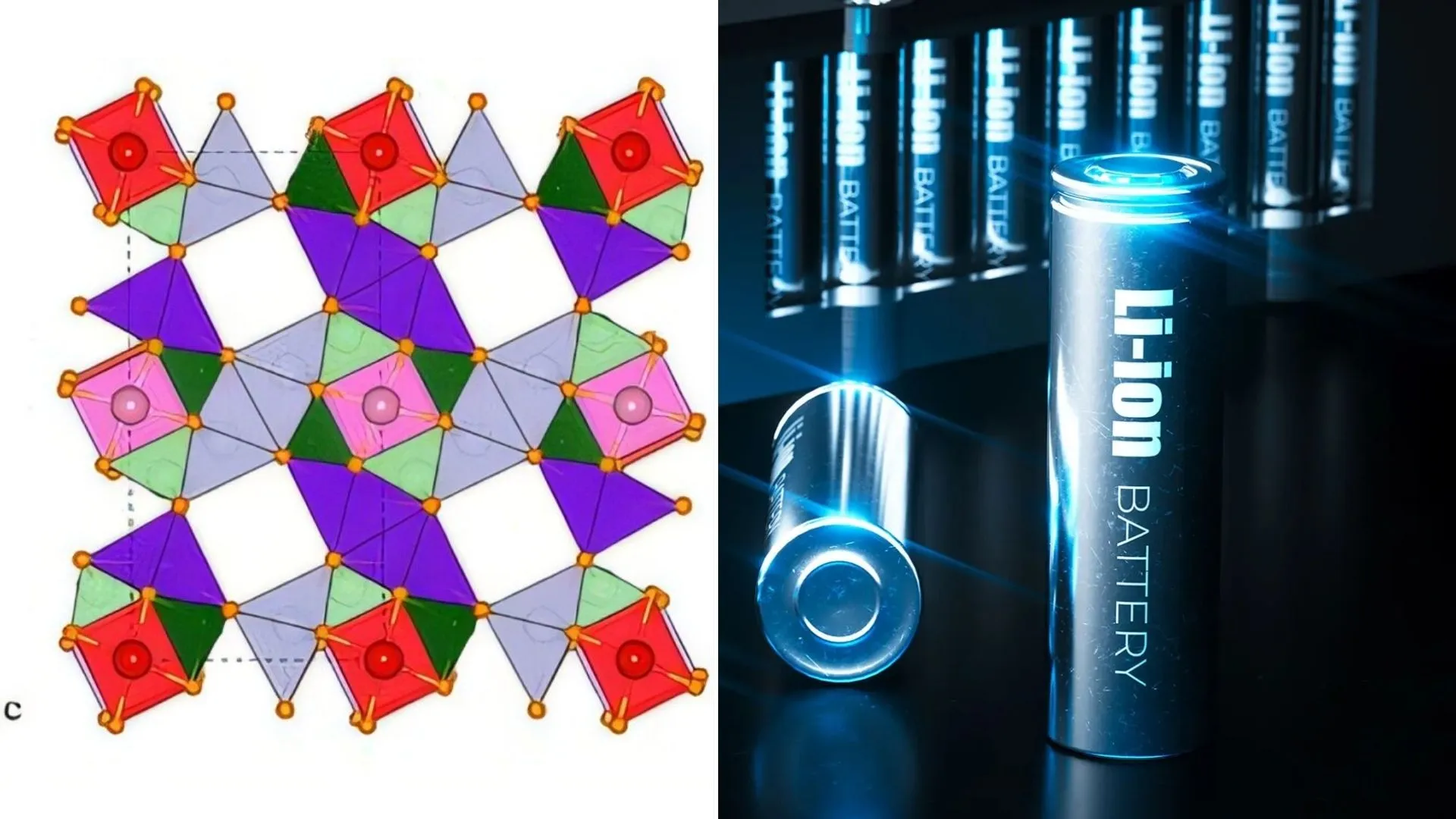
New crystal could help make solid-state batteries lighter without sacrificing speed
A newly identified crystal framework could help address a key challenge facing all-solid-state lithium batteries:...