US researchers uncover how 1.5 GPa spider silk forms its remarkable strength
Spider silk can withstand a pulling force equivalent to 150 newtons per square millimeter of...
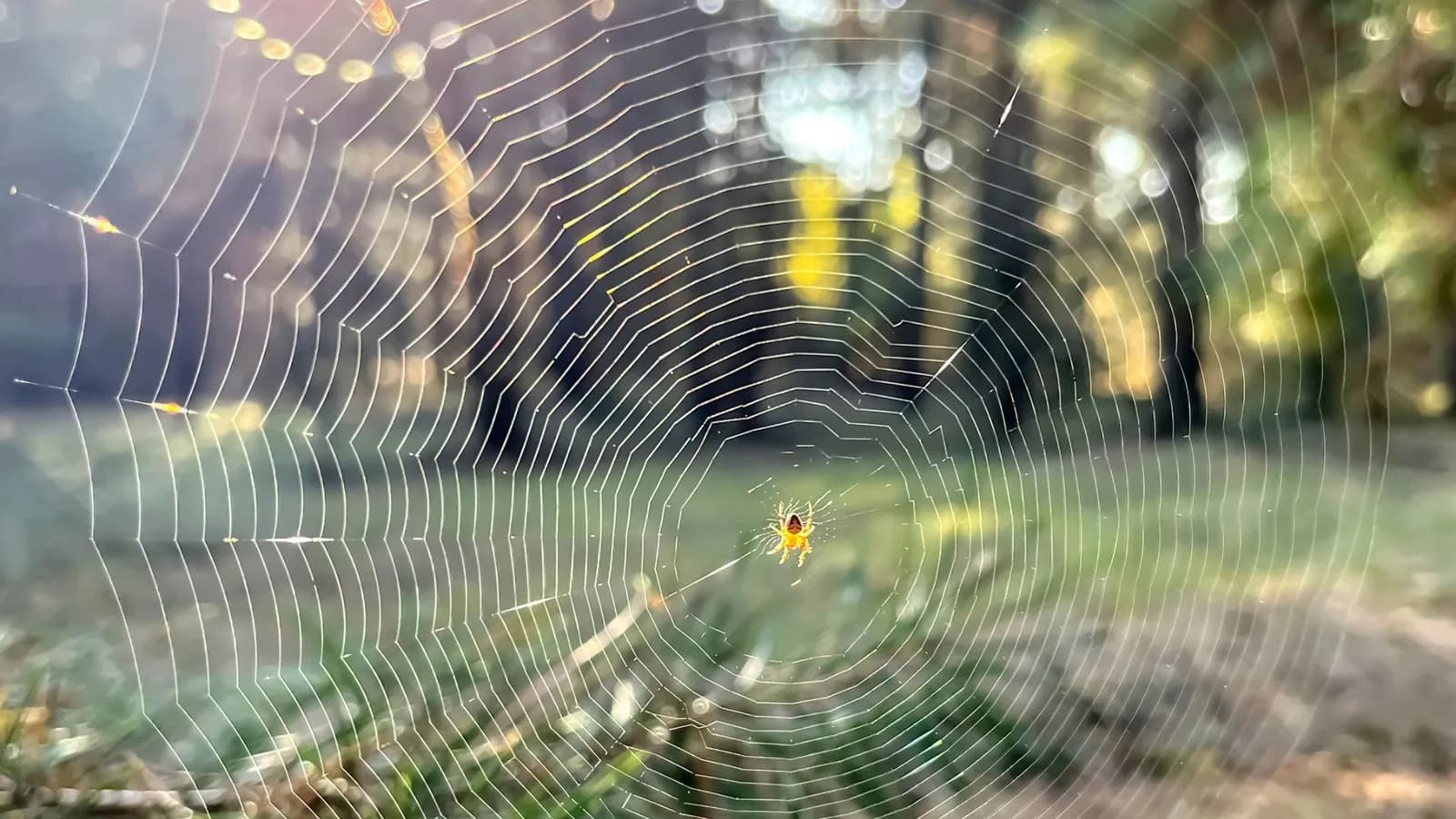
Spider silk can withstand a pulling force equivalent to 150 newtons per square millimeter of its cross-sectional area before breaking.
They are investigating ways to produce spider silk artificially because spiders produce much less silk per animal.
The key challenge is turning liquid silk protein in spiders’ specialized glands into an actual fiber.
Strength like steel
Spider silk is a biomaterial produced by these arachnids, and it is mostly in the form of threadlike fiber with high elasticity and strength comparable to steel.
The interesting thing about this silk is that it comes in many forms, each with its own purpose. While thin threads are the most familiar form, which the spiders use to make webs, there are a few other forms as well that this animal uses – sometimes to catch a prey or to protect eggs, or to use it as a safety rope.
Among its many properties, spider silk’s tensile strength is quite intriguing, reaching up to 1.5 billion pascals (GPa). That means it can withstand a pulling force equivalent to 150 newtons per square millimeter of its cross-sectional area before breaking. This is comparable to high-grade steel.
Due to their tensile strength, toughness, light weight, and biodegradability, they have a potential for their usage, especially in the textile industry.
Researchers are investigating ways to produce it artificially because spiders produce much less silk per animal, and they can’t be raised in large numbers like silkworms because they are cannibalistic.
Scaling up is challenging
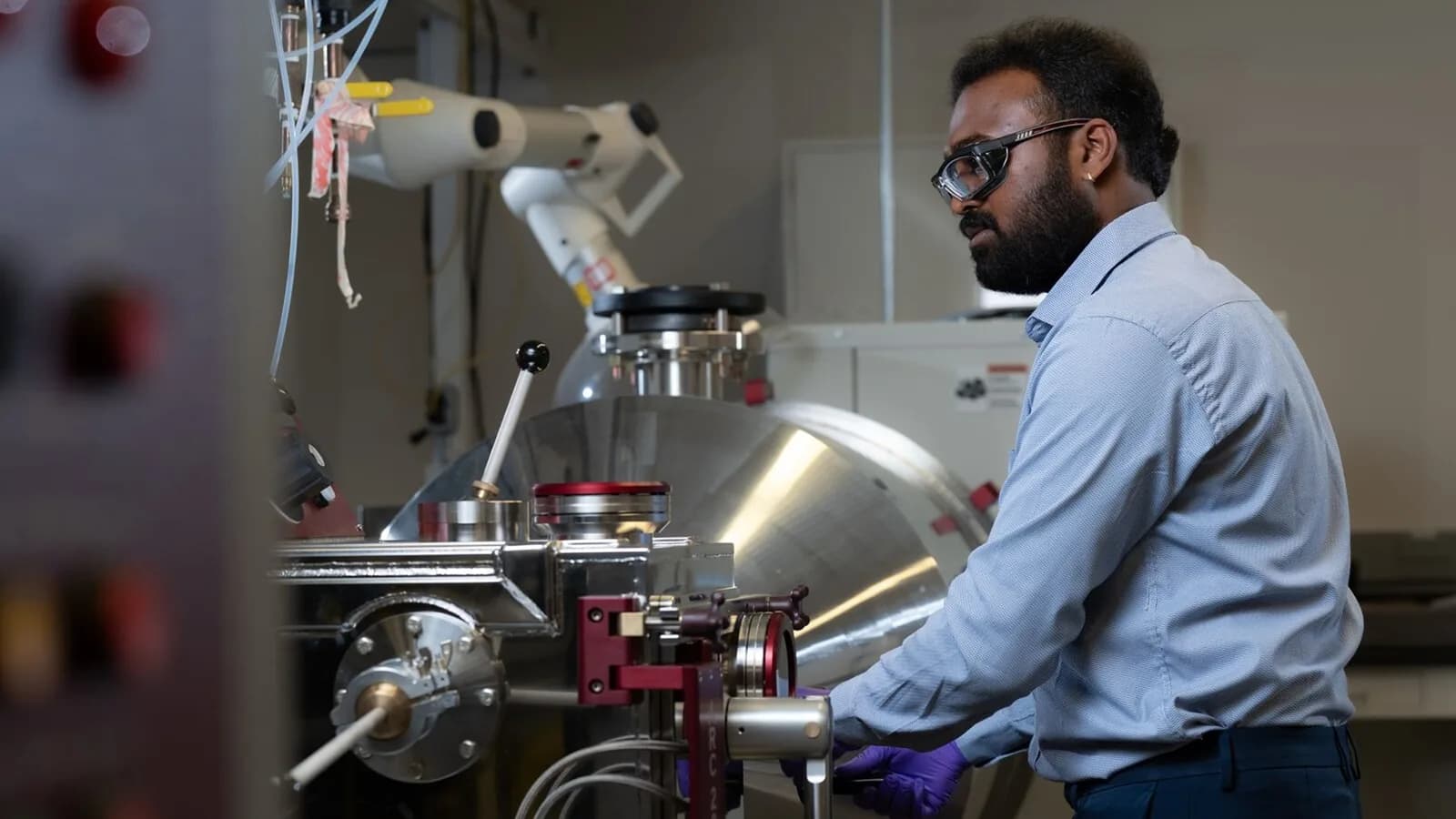
University of North Carolina (UNC) ‘s Sarah Stellwagen, who studies silk from arthropods (insects and arachnids) at the material and genetic levels, said in an interview that the challenge is turning liquid silk protein in spiders’ specialized glands into an actual fiber.
“Researchers have made plenty of protein soup, as a spider does, but unlike spiders, they haven’t been able to spin that protein into solid threads at a scale that is relevant for the public,” said Stellwagen, who is an assistant professor in the Department of Biological Sciences at UNC Charlotte.
The spider does this by passing the fluid from its gland through a narrow duct, changing its chemical environment and assembling it into a tightly packed structure called a beta-sheet. The fiber then emerges through its spinnerets in the solid form.
However, there has been some progress as well. Researchers at the Swedish University of Agricultural Sciences (SLU) have shown that protein can be produced in larger quantities and more efficiently, which can also reduce production costs. Researchers Anna Rising and Benjamin Schmuck, who earlier this year received a grant of EUR 200,000 from H&M Foundation, are now working to produce fibers and yarn from protein for textile tests.
The group is also exploring the fiber’s use for medical purposes.
“The award (grant and support program) gives us the opportunity to take the next step: do more trials, improve the manufacturing process, and produce enough material to test yarn and textiles,” says Anna Rising, professor at the Department of Animal Biosciences.
Earlier research from King’s College London and San Diego State University (SDSU) in California has decoded the “molecular stickers” that make spider silk stronger than steel and tougher than Kevlar.
Source: https://interestingengineering.com/science/us-spider-silk-forms-remarkable-strength
Related articles