
Why OLPC’s $100 laptop never stood a chance
The idea was big, exciting, and inspiring: What if we could get every kid in the world access to a computer?

The idea was big, exciting, and inspiring: What if we could get every kid in the world access to a computer? For a bunch of thinkers and executives in Silicon Valley, it felt like the way to fix everything. But the One Laptop Per Child initiative, and the XO-1 laptop designed to be given away, were both more complicated than anyone expected.
In the next episode of Version History, David Pierce is joined by The Verge's Adi Robertson and tech journalist David Imel to figure out why OLPC didn't work, whether there's anything to learn from the XO-1's innovative design, and if this kind of computer giveaway could ever succeed.
We're halfway t …
Related articles

China conducts satellite-to-satellite refueling operation in high Earth orbit: Report
China has successfully refuelled one of its BeiDou satellites in high orbit, according to reports. The...
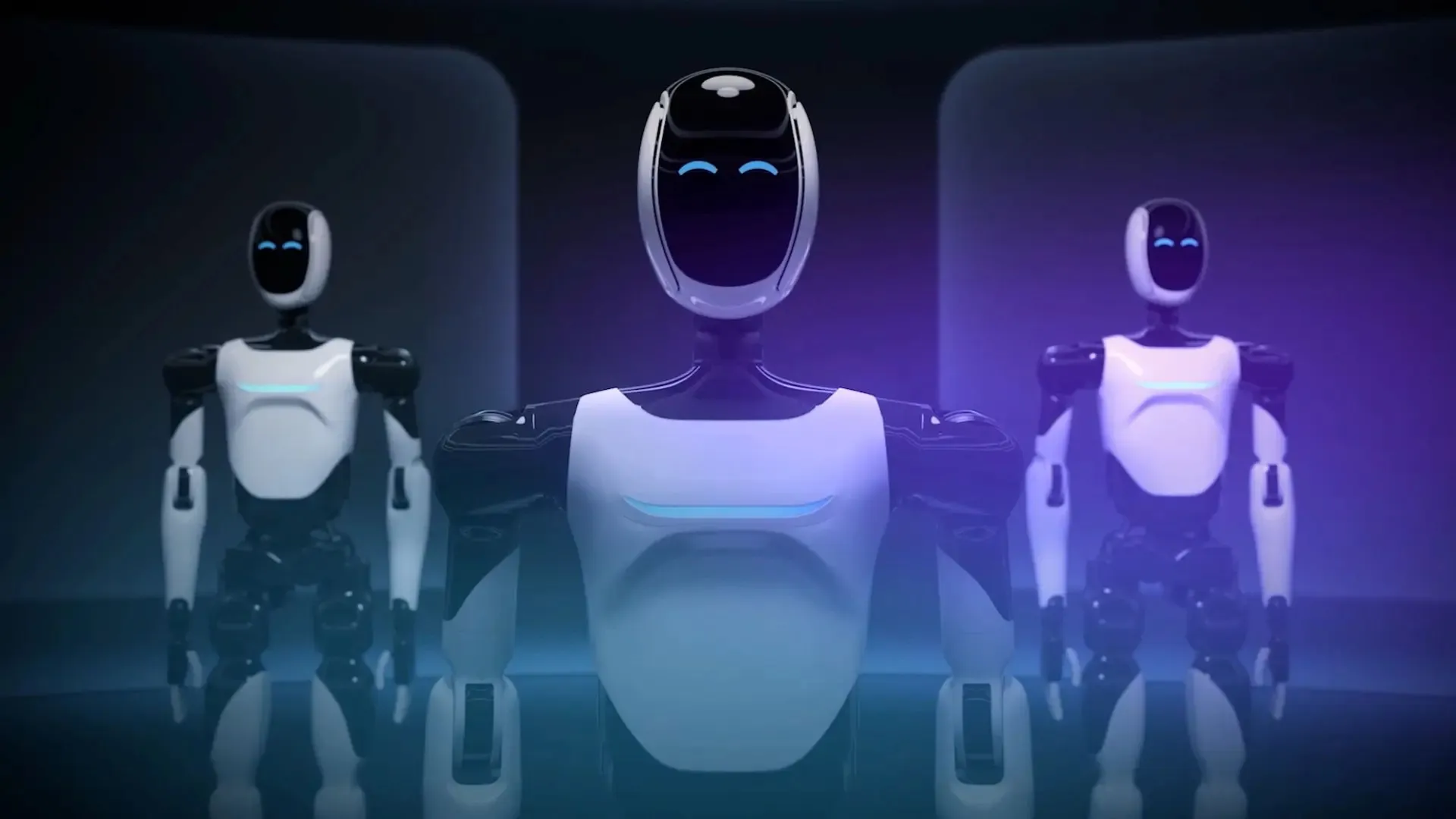
Nuclear war, bioweapons, runaway AI: How researchers rank risks of smart systems
Artificial intelligence researchers have long warned the technology could wipe out humanity, whether by designing...
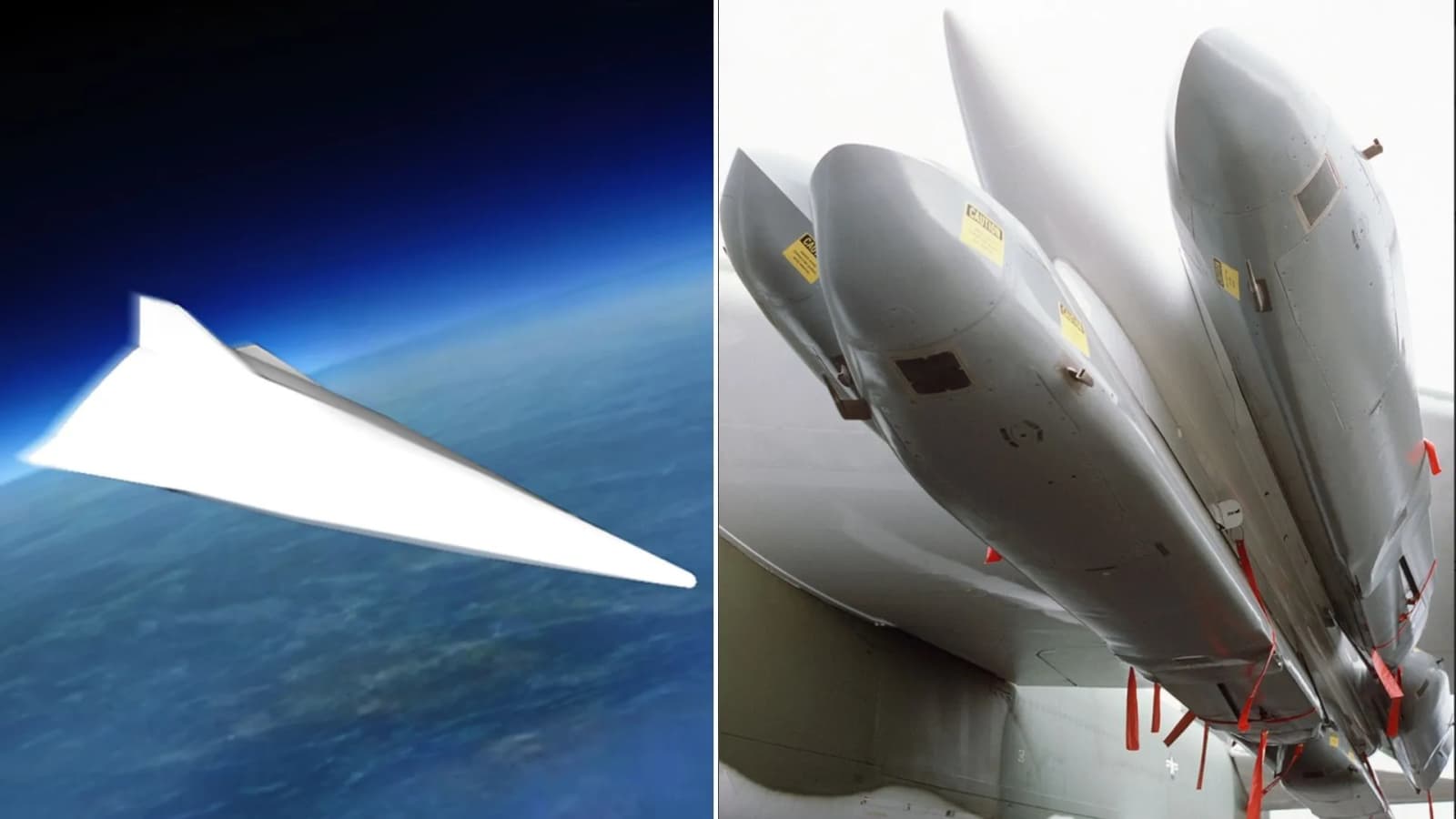
Hypersonic glide vehicles vs cruise missiles: How the weapons differ
Hypersonic weapons are designed to travel at speeds of Mach 5 or higher, or at...

First for US Army: MH-47G Chinook helicopter refuels from autonomous barge at sea
A U.S. Army MH-47G Chinook helicopter has landed on an uncrewed vessel at sea and...
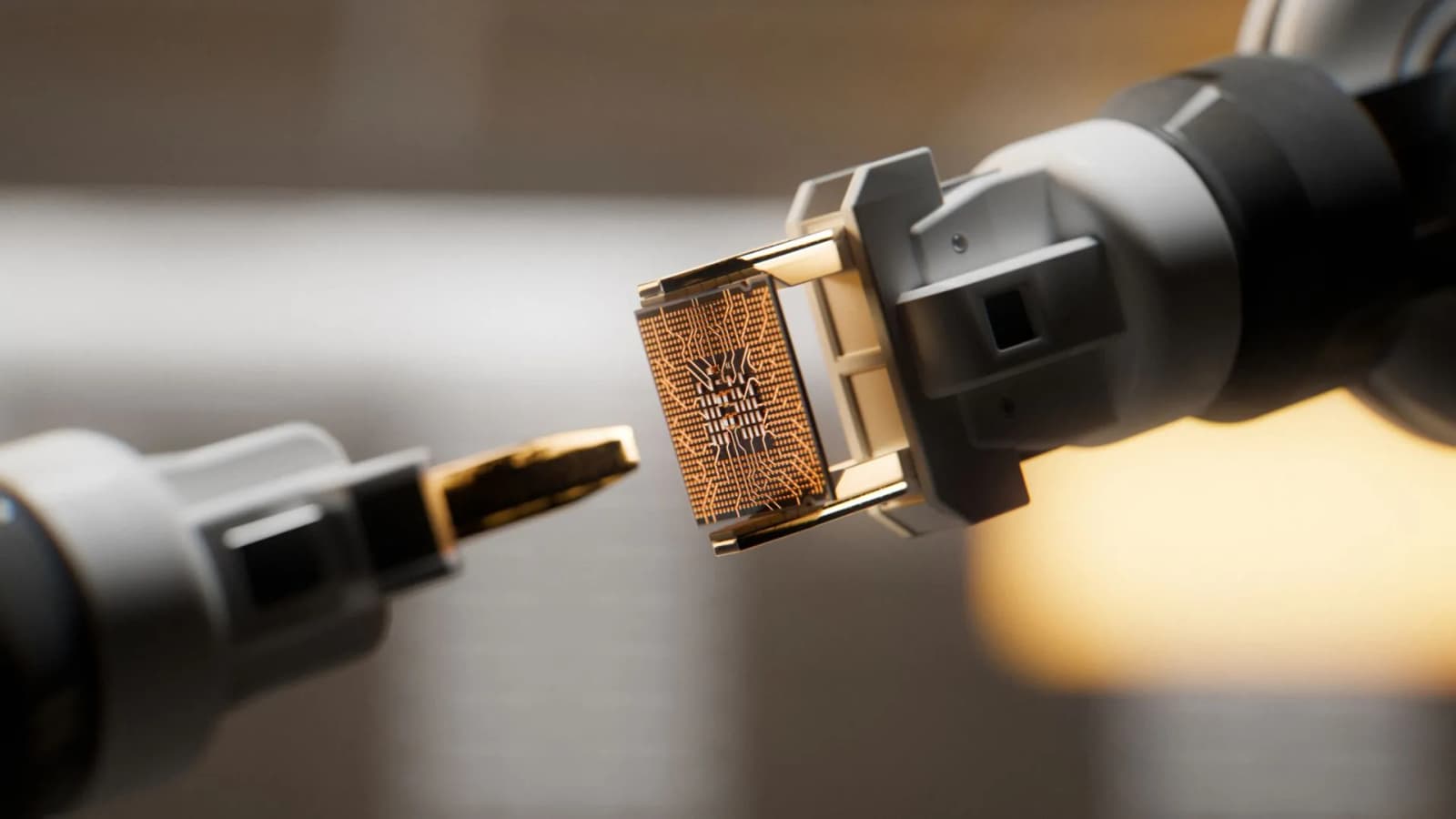
US scientists’ new material could make next-gen microchip encryption faster, more secure
Researchers have defined a new material blueprint for the next-generation microchip encryption. The team of...
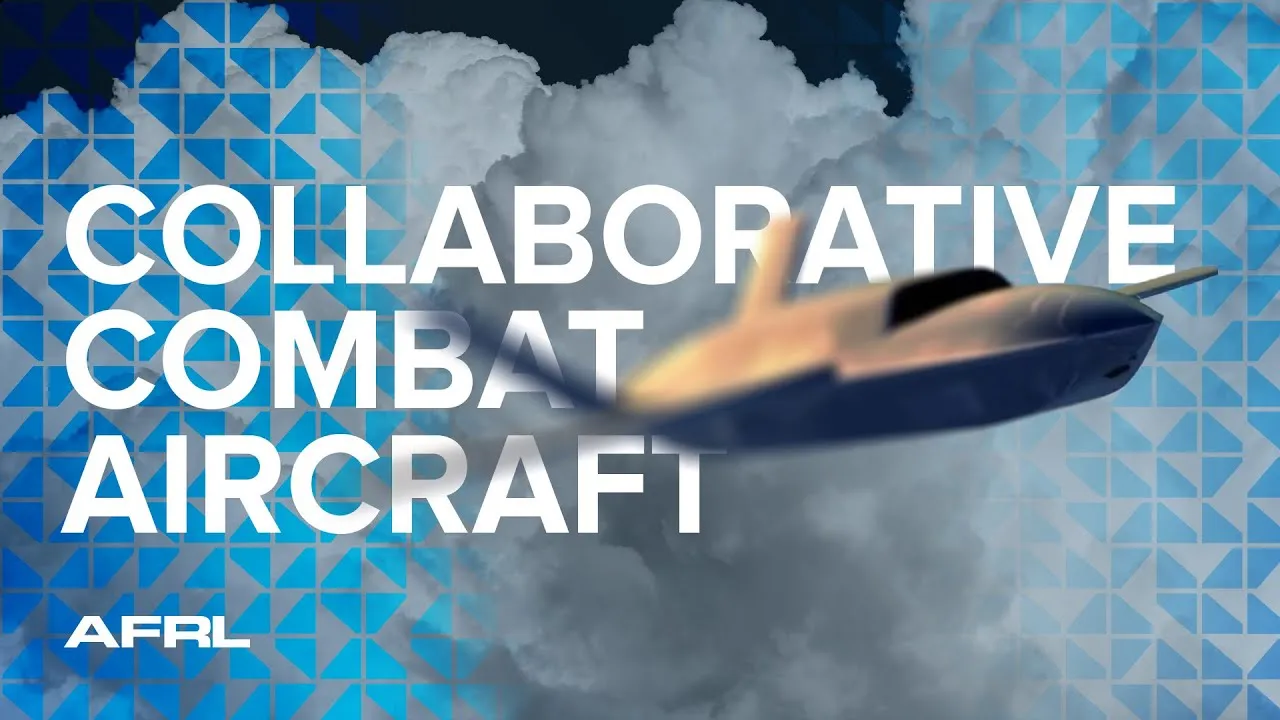
US Air Force receives first ‘robot wingmen’ drones to begin autonomous warfare trials
The United States Air Force (USAF) has taken delivery of the first batch of two...