Word of the Year 2026: Cambridge renews global debates over human identity in the AI era
The Cambridge Dictionary has named “human” its Word of the Year for 2026. The choice...
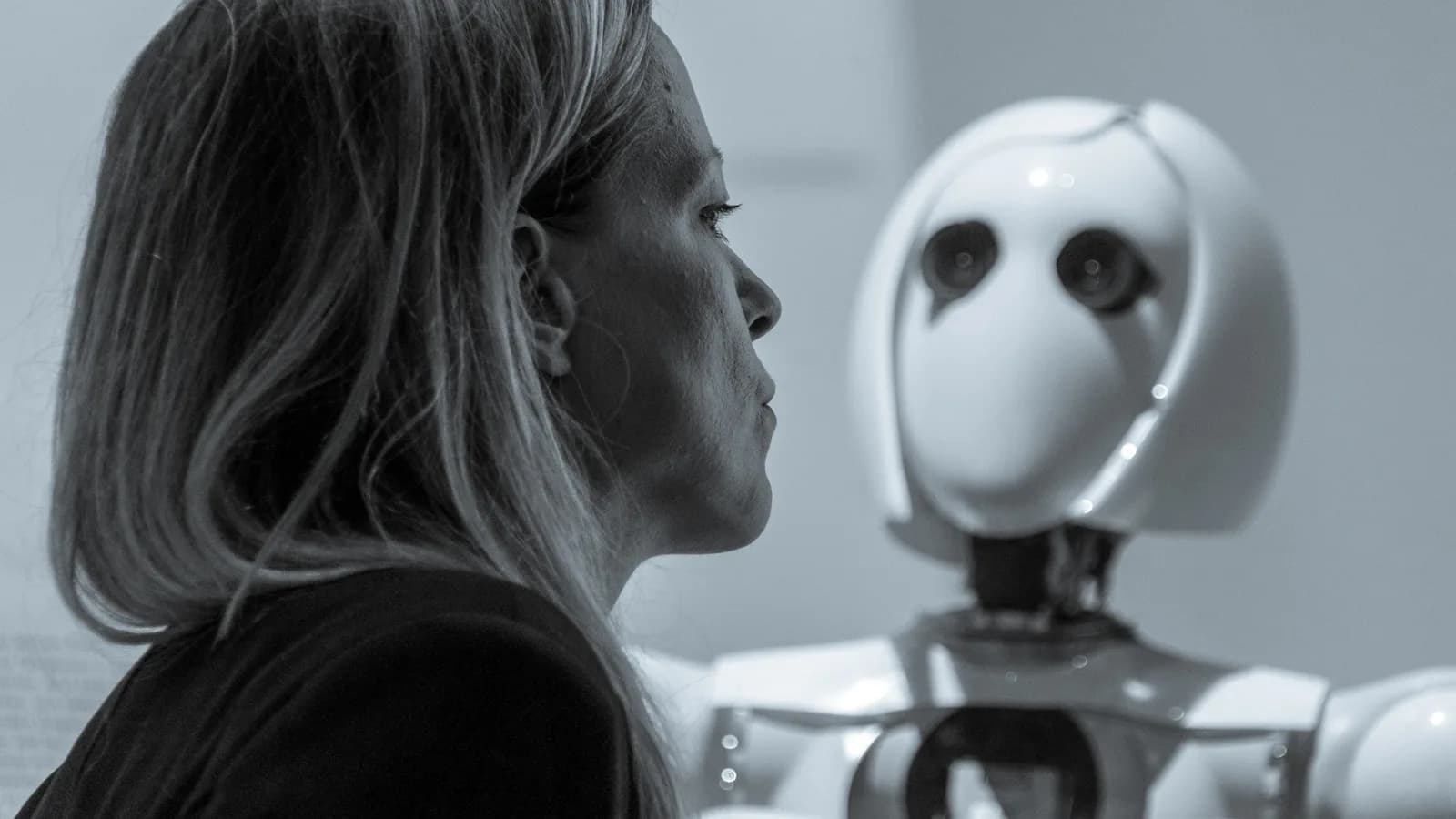
The Cambridge Dictionary has named “human” its Word of the Year for 2026. The choice reflects growing debate over what separates people from machines as artificial intelligence becomes increasingly capable.
From creative work and employment to personal identity, AI is challenging long-held ideas about human abilities and intelligence. As machines become better at generating content, imitating voices, and performing tasks once associated with people, the question of what makes humans distinct has taken on new urgency.
Cambridge Dictionary defines “human” as “having the qualities, faults, and feelings that people have, as opposed to gods, animals, or machines.”
Tom McClelland, a philosopher of science at the University of Cambridge, said people are rethinking the boundaries between biological and artificial intelligence. “We’re trying to understand the difference between a human mind and an artificial mind, between living beings like us and artificial beings that we’re creating,” McClelland said. “What sets us apart is it consciousness, creativity, or compassion?”
AI advances are challenging traditional ideas of humanity
The debate extends beyond whether machines can replace human workers to which responsibilities and forms of expression should remain uniquely human.
Microsoft co-founder and Gates Foundation chair Bill Gates has argued that roles such as caregiving should remain “human reserved jobs.” He said AI could help cure diseases and improve education but stressed that people must decide where humans should remain central. “The measure of AI’s success should be how much it improves human lives,” Gates said.
Geoffrey Hinton, a Nobel laureate often described as an AI godfather, has warned about the creation of “alien beings,” adding that he would choose humans. Pope Leo XIV has also addressed new forms of “dehumanization” in his letter Magnifica Humanitas.
The creative industries have become another focus of concern. Actors Scarlett Johansson and Cate Blanchett, musicians Billie Eilish and LeAnn Rimes, and authors Jodi Picoult and Jonathan Franzen have joined campaigns opposing machine-generated replicas and the unauthorized use of human-created content by large language models.
Deepfakes and artificial minds raise questions about human identity
AI-generated imitations have created new challenges for protecting personal identity. Actor Matthew McConaughey trademarked elements of his voice, image, and signature catchphrase to protect them from unauthorized digital reproduction. Taylor Swift also filed trademark applications covering her voice and image.
Rachel Adams, a University of Cambridge professor specializing in AI governance and human rights, said the technology raises longstanding questions about identity and humanity. “AI is going to be a profound test for humanity. There’s a real risk that it deepens existing inequalities, but it also has the potential to solve them,” Adams said.
McClelland also argued that AI’s future is not inevitable, stressing that society’s decisions will shape how the technology develops and is integrated into everyday life.
Cambridge Dictionary lexicographer Colin McIntosh said AI is changing how people talk about being human, with renewed interest in the concept capturing the year’s wider debate.
According to The Guardian, “agent,” referring to AI systems capable of operating with some independence, and “analogs,” associated with non-digital activities, were among the other technology-related contenders.
Source: https://interestingengineering.com/culture/cambridge-human-word-2026-year-ai
Get the latest news delivered to your inbox.
Related articles