New metal-carbon fiber hybrid could cut weight in hydrogen fuel cells for aircraft
Scientists at the Fraunhofer Institute for Machine Tools and Forming Technology (IWU) have built a...
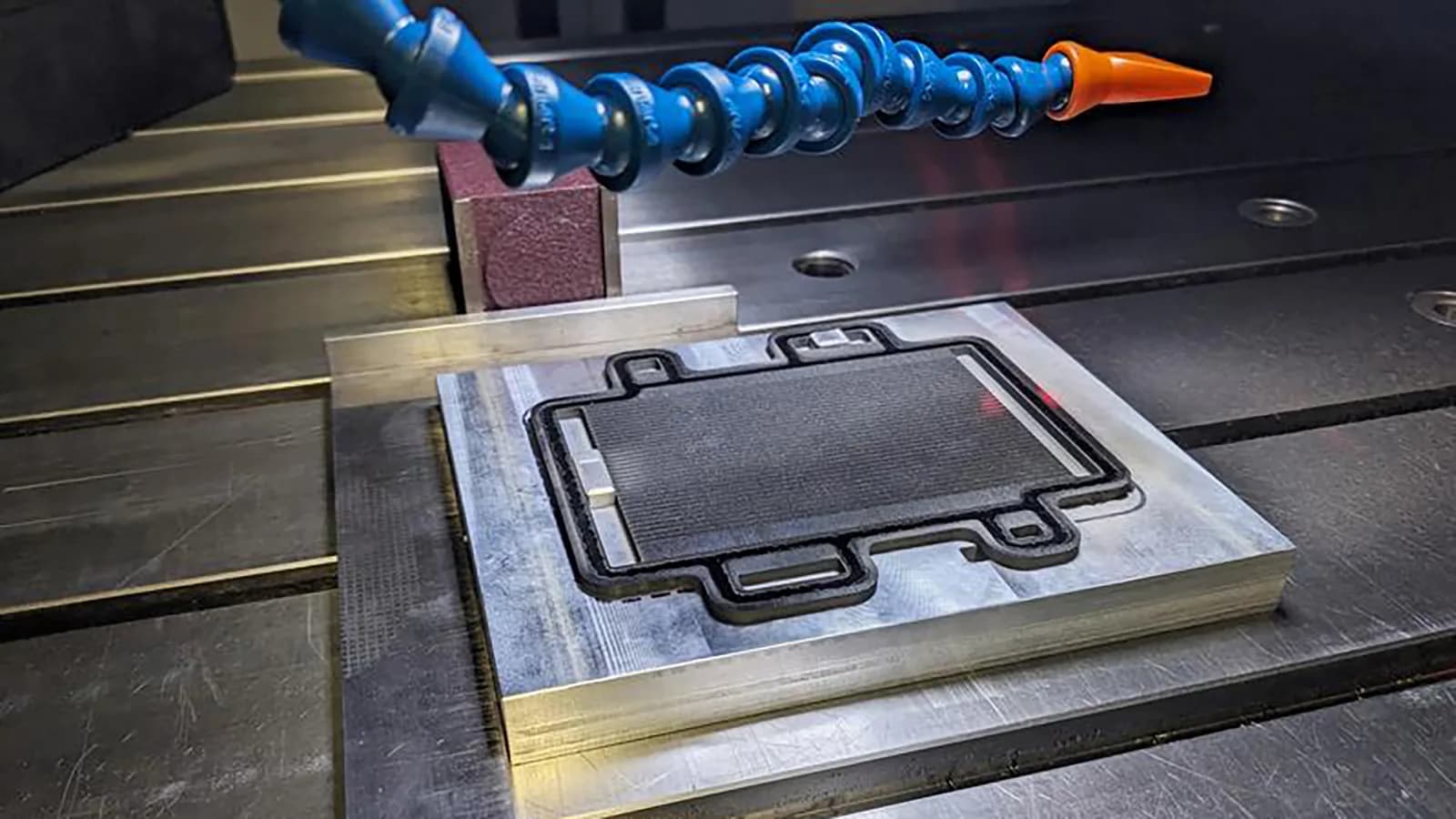
Scientists at the Fraunhofer Institute for Machine Tools and Forming Technology (IWU) have built a prototype fuel cell stack with plates made from carbon fiber-reinforced polymer (CFRP). The plates are designed to be extremely lightweight for drones and small aircraft, where fuel cell weight is critical.
Inside a fuel cell stack, bipolar plates do several jobs at once. Fine channels distribute the reactants and coolant. Fraunhofer said metal plates offer low thickness and suit industrial manufacturing. Graphite plates conduct electricity well and resist chemicals in the fuel cell, but their mechanical properties require comparatively thick walls.
In the StruBiPlate project, the IWU team asked whether CFRP could combine the strengths of metal and graphite plates. CFRP pairs high strength with low weight, and fiber orientation can be tailored to control heat transport. Fraunhofer called a hybrid plate particularly promising: a CFRP base with metal layers where surface, contact or flow functions require them.
Two ways to build the plates
In its press release, Fraunhofer said the team first tried embossing typical flow-field channels directly into CFRP prepregs, which are uncured, pre-impregnated carbon fibers. Across more than 35 trials, the best replication came when channels ran parallel to the fibers. Bends across the fibers reached the material’s forming limits. The tests showed typical flow fields cannot readily be embossed directly into CFRP.
The team then paired a flat CFRP base with a stainless steel flow field. IWU cut the flow-field contours from steel and laminated them onto prepreg. A laser process developed eariler roughened the steel about sixfold, which Fraunhofer said promotes adhesion. Lamination worked with all five roughening variants tested, and one gave the best bonding and flatness.
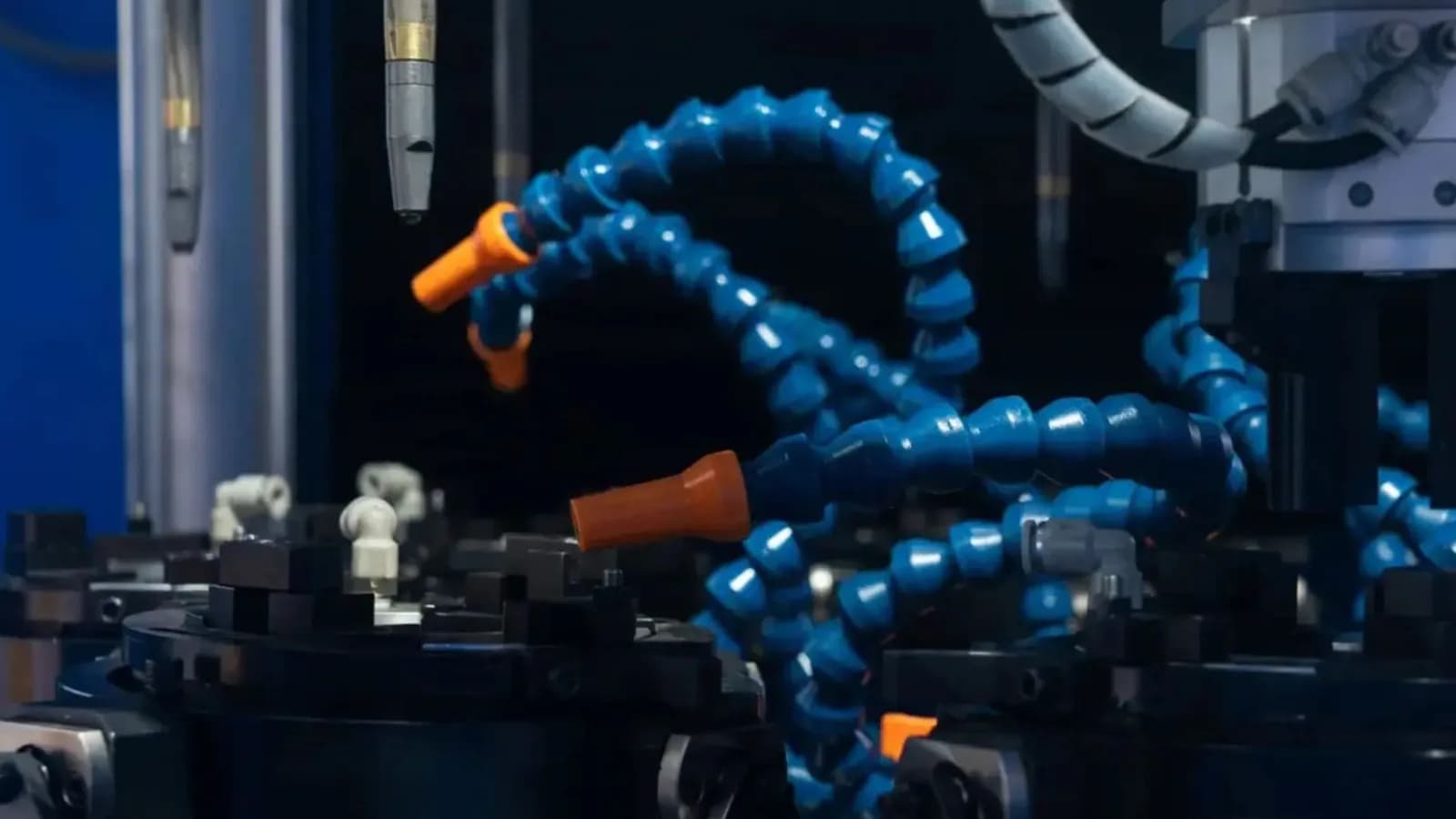
In parallel, IWU structured fully cured CFRP plates directly with ultrashort-pulse lasers. Rotating the laser paths 37 degrees between layers improved roughness and flatness. The average deviation from the computer-aided design (CAD) model fell from no more than 0.0016 inch (0.04 millimeters) to 0.0004 inch (0.01 millimeters) in the optimized process.
Coating, a prototype stack and open limits
A project partner coated CFRP samples with a copper-nickel layer. One coated sample reached values comparable to titanium on two corrosion measurements, current density and potential. IWU then built a prototype stack. A nitrogen leak test at about 20 pounds per square inch (1.4 bar) showed no pressure drop, but other leak tests suggested the pressure distribution across the cell layers needs more analysis.
The release reports no measured weight savings, so the plates’ lightness is a design goal, not a measured result. Machining one side of a flow field with the laser took several hours at the demonstrator stage, and series production would need an enclosed chamber to contain contamination. Fraunhofer said the project does not yet offer a ready-to-use solution for series production.
Fraunhofer said the next challenge is integrating the technologies into a fully functional fuel cell for long-term operation, with future work on sealing, coating, electrical insulation, structuring and cost-effective manufacturing. Developers of drone fuel cell stacks elsewhere are also working to cut weight.
Source: https://interestingengineering.com/science/carbon-fiber-bipolar-plates-fuel-cells
Get the latest news delivered to your inbox.
Related articles