First high-speed satellite link in orbit puts Meridian space closer to private networks
Meridian Space has achieved a key milestone in enabling private satellite systems with the first...

Meridian Space has achieved a key milestone in enabling private satellite systems with the first high-speed link from its hosted payload. The milestone was reached in an in-space demonstration of its technology on 17th November 2026.
Launched aboard SpaceX’s Transporter-18 mission in October 2026, this success demonstrates Meridian Spaces’ lightweight configurable reflectarray antenna is able to provide a high-speed connection in space. To date, no other such antennas have been hosted in space. Following five years of research and testing of this payload design, this milestone will enable greater control over satellite communications from governmental and commercial organizations.
Meridian’s antenna lowers satellite costs
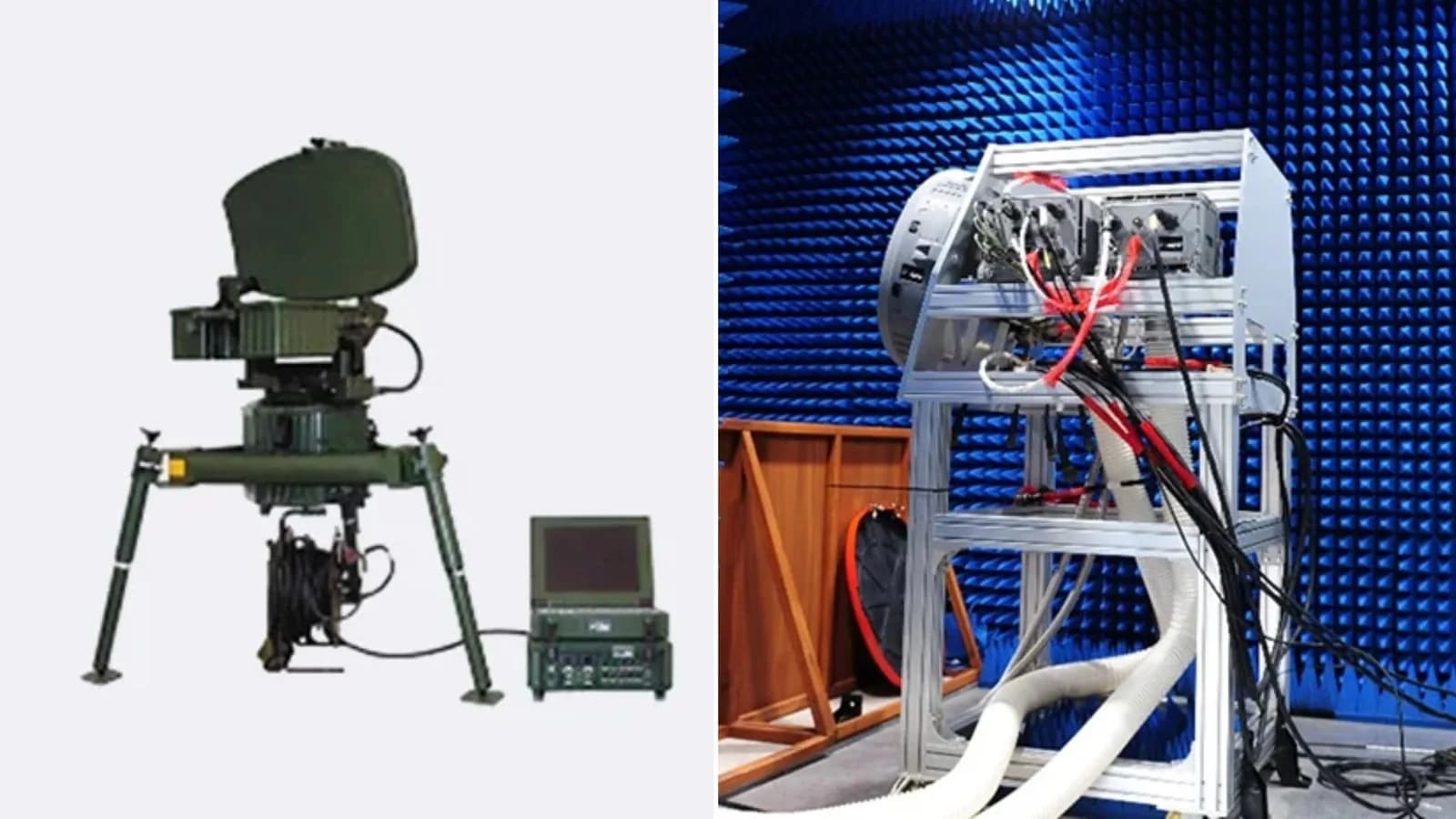
By reducing weight and power consumption in satellites, Meridian Space aims to improve efficiency within spacecraft. Where conventional reflectarray antennas typically have static beam patterns, Meridian Space enables dynamic adjustment of beam direction and shape through the application of electrical components. This means that Meridian Space can adapt the coverage provided by the satellite.
Meridian Space believes this will mean fewer resources are required to deploy a satellite network. As the size of the satellites is reduced, larger numbers may be deployed in one rocket mission, lowering costs.
This antenna is part of a broader strategy to create private satellite constellations in Low Earth Orbit (LEO). By owning their own satellites, governmental and commercial clients will be able to provide high capacity broadband services. By achieving this milestone, Meridian Space is enabling more customers to own satellites.
Massimiliano Ladovaz, CEO of Meridian Space said, “We built Meridian to unlock a market that has been closed to all but a few. Owning a dedicated satellite network is now a realistic choice. Governments and commercial organizations no longer have to rent capacity or compromise on control, and our technology is proving it in orbit today.”
Meridian prepares for customer trials
In the coming months, Meridian Space will perform further testing as part of its First Customer Link (FCL) mission. The antenna, satellite payload and ground systems will be tested within the environment of space to get a good understanding of the performance. Early demonstrations and trials with customers will also take place, to allow potential customers to get a good understanding of the system and move forward into commercial development.
Ladovaz said the satellite was operating well and in-space testing was proceeding as expected. He added that achieving this communication capability was a key point in the companies journey, and noted that this result came from a great deal of work by the team.
Further tests will be performed to determine how well the antenna operates in ongoing in-space conditions. If further testing and demonstration with customers goes to plan, Meridian Space will be in a strong position to create owned and operated satellite networks.
By taking this approach, governments and businesses may get more control over their communications infrastructure than if they simply leased bandwidth from current satellite providers.
Source: https://interestingengineering.com/space/satellite-link-orbit-meridian-space
Get the latest news delivered to your inbox.
Related articles