Why intercepting missiles that travel five times faster than speed of sound is difficult
In the past many decades, missiles have proven their efficacy in multiple combat scenarios. Advanced...
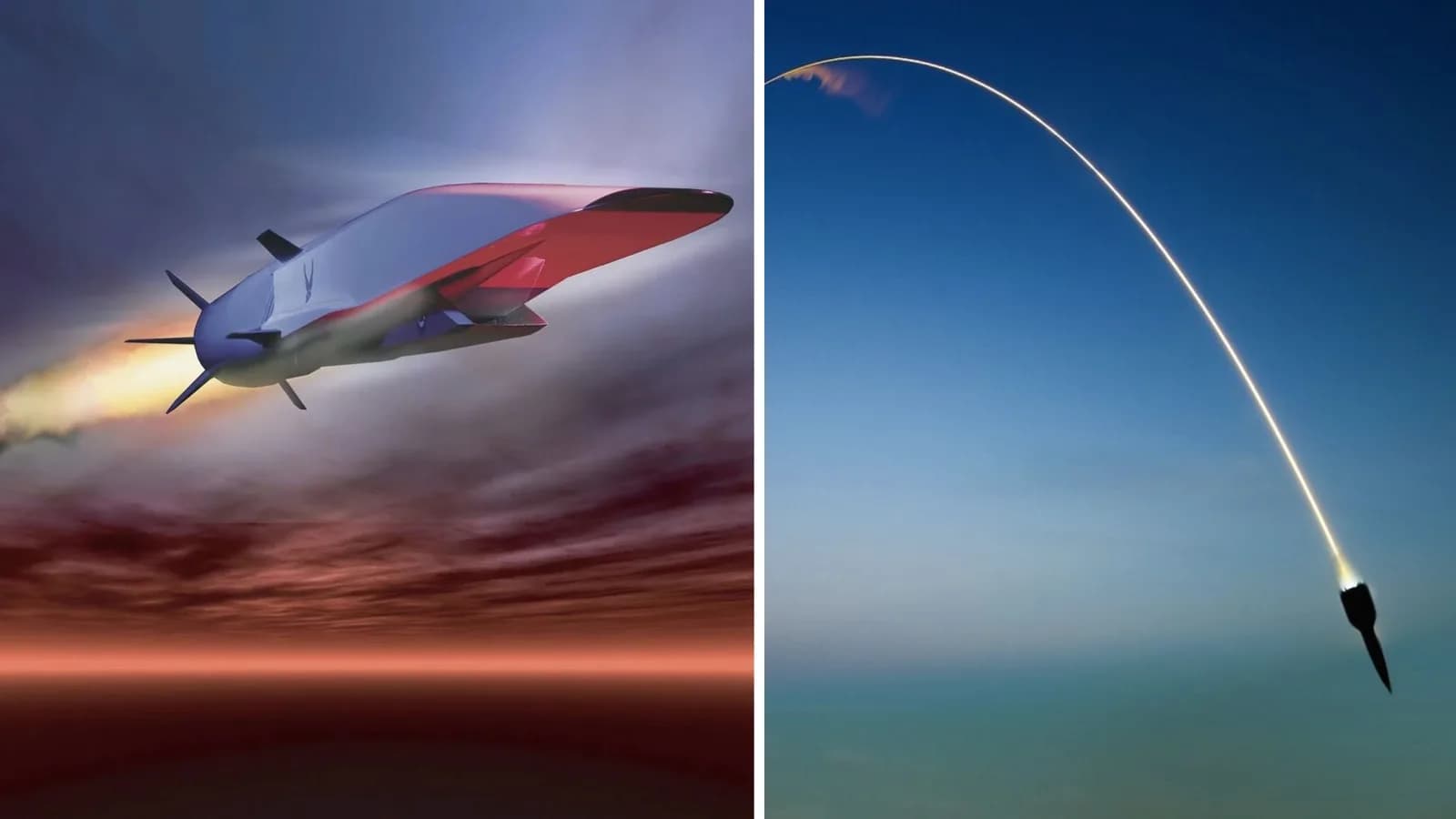
In the past many decades, missiles have proven their efficacy in multiple combat scenarios. Advanced missile and hypersonic vehicle technologies enhance end-to-end strike force systems, increasing the potential for deterring future threats.
But missiles, which travel five times faster than the speed of sound, have been extremely difficult to intercept. The speed of these missiles significantly reduces the time available for detection, decision-making, and interception.
Unlike conventional ballistic missiles, which generally follow a more predictable trajectory, many hypersonic glide vehicles and hypersonic cruise missiles can maneuvre during flight and change their direction and altitude.
Difficult for existing radar and missile defense systems
This unpredictable movement makes it difficult for existing radar and missile defense systems to calculate their future position accurately. Furthermore, their ability to fly at relatively lower altitudes than traditional ballistic missiles can allow them to remain below the effective detection range of some ground-based radar systems because of the Earth’s curvature.
The extreme temperatures generated by aerodynamic friction can also create technical challenges for onboard sensors, communication systems, and guidance technologies. Additionally, the combination of high speed, maneuvrability, limited warning time, and the need for extremely precise interception makes existing missile defense systems less effective against these weapons.
Intercepting hypersonic missiles requires new generation of defense capabilities
Therefore, intercepting hypersonic missiles requires a new generation of integrated missile defense capabilities involving space-based sensors, advanced tracking radars, faster interceptors, artificial intelligence, and improved command-and-control systems. Countries such as the United States, China, and Russia are investing heavily in these technologies to strengthen their defense capabilities. Nevertheless, no missile defense system can currently guarantee the successful interception of every hypersonic missile, making hypersonic weapons a significant challenge to modern national and international security.
These missiles can be intercepted through a combination of advanced missile defense systems, space-based surveillance, ground-based radar networks, and high-speed interceptor missiles.
These defense systems aim to detect, track, and destroy an incoming hypersonic missile before it reaches its intended target. The interception process begins with early detection through satellites equipped with infrared sensors, which identify the heat generated by a missile during its flight. Ground-based and sea-based radar systems then attempt to track its movement and predict its trajectory.
Once the missile is detected and tracked, interceptor missiles can be launched to destroy it through direct collision or other interception mechanisms. Advanced technologies such as artificial intelligence, integrated sensor networks, and directed-energy weapons are also being researched to improve detection, tracking, and interception capabilities. However, successfully intercepting a hypersonic missile remains a major technological challenge.
Hypersonic missiles’ exceptionally high speed, combined with their ability to maneuvre during flight, makes it challenging for existing missile defense systems to detect, track and accurately predict their trajectory. As a result, intercepting these missiles requires highly advanced detection, tracking and defense technologies, making them a significant challenge for modern air defense systems.
Source: https://interestingengineering.com/military/intercepting-hypersonic-missile-modern-defense
Get the latest news delivered to your inbox.
Related articles