1,700-TEU electric container ship wins approval with 151 MWh battery system
A container ship designed to carry 1,700 TEU could move regional cargo using battery power...
This story was prepared automatically by software.
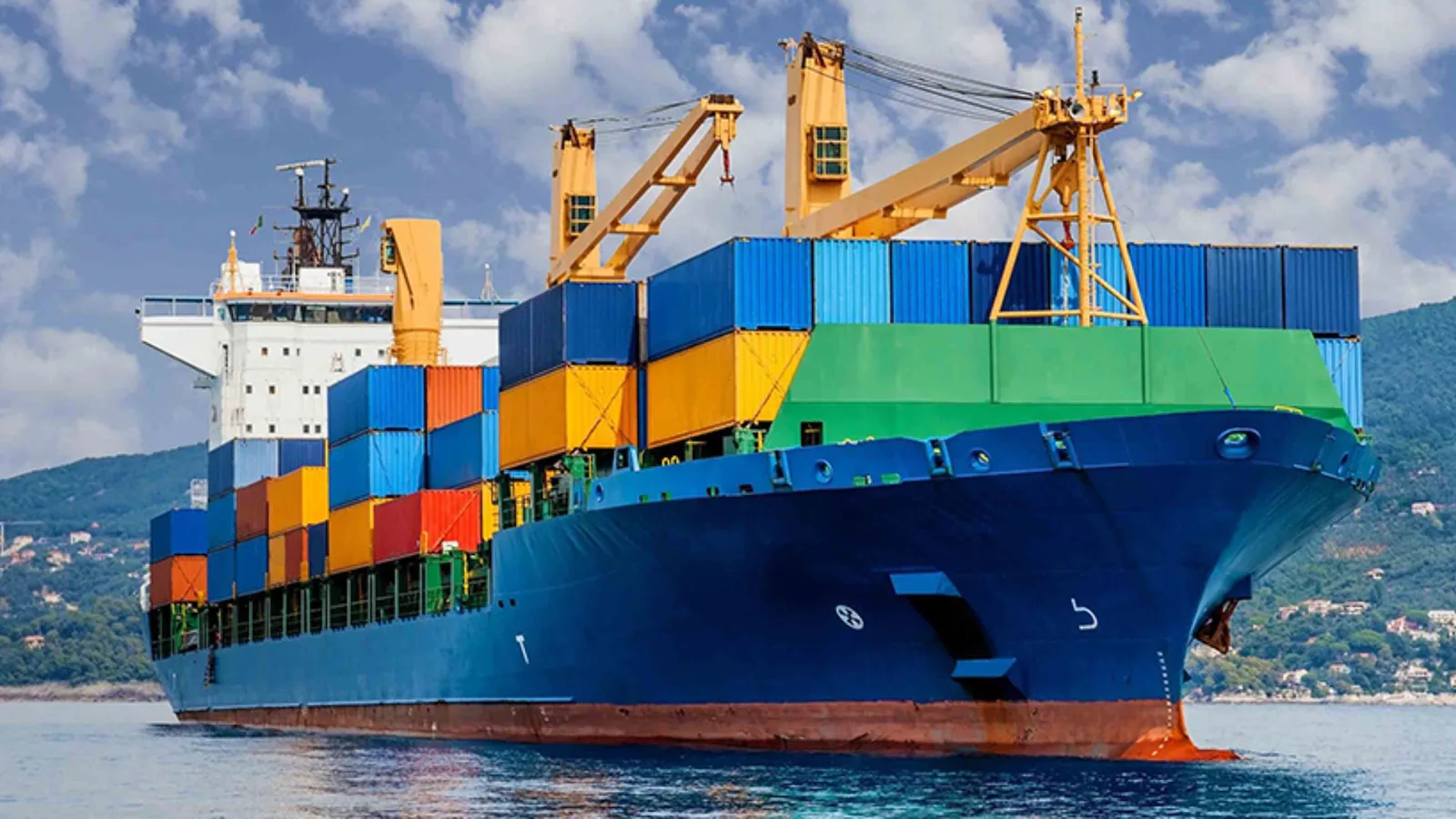
A container ship designed to carry 1,700 TEU could move regional cargo using battery power without producing direct carbon emissions during operation.
Hanwha Power announced on October 23 that the concept had received Approval in Principle (AiP) from the American Bureau of Shipping (ABS).
The fully electric design combines a 151 MWh energy storage system with containerized batteries and port charging infrastructure. It targets short-sea and regional container transport, with battery units that can be handled and stowed like standard freight containers.
The AiP certificate was presented on October 22 at the Maritime Hybrid, Electric & Hydrogen Fuel Cells Conference & Exhibition in Bergen, Norway. Jong-kyu Hwang, Hanwha Power’s Vice President of Technology Solutions, attended alongside senior ABS representatives.
Batteries take on the propulsion role
Electrical energy stored in the containerized battery units serves as the vessel’s primary propulsion source.
Charging infrastructure at ports would supply the electricity needed for operation, allowing the concept to avoid direct carbon emissions while sailing.
The 151 MWh system is central to the design, bringing large-scale battery storage into a containership intended for regional routes.
The announcement describes a vessel concept that has received approval in principle; it does not announce the delivery or entry into service of a completed ship.
Hanwha Power said the approval strengthens its capabilities in fully electric vessel design and broadens its marine propulsion portfolio. The company plans to use the development to pursue opportunities in the next-generation zero-carbon maritime transport market.
Containerized units support flexible replacement
The batteries’ containerized format allows them to be handled and stowed in the same manner as standard cargo containers. According to Hanwha Power, this arrangement improves space efficiency, maximizes cargo capacity, and optimizes overall vessel performance.
The approach also supports flexible battery replacement and scalable operation. Hanwha Power presented these features as a practical pathway toward reducing emissions from short-sea and regional container transport.
The concept brings electric propulsion and battery storage together as an integrated solution. Its operation without direct carbon emissions depends on electricity stored onboard and the use of charging infrastructure in port.
The release did not specify the vessel’s operating range, charging time, service speed, or construction schedule. Those details were not included in the description of the newly approved design.
Smaller electric vessel design also completed
Alongside the 1,700-TEU concept, Hanwha Power has completed the basic design of a 1,000-TEU battery-powered container vessel. The company aims to develop a wider lineup of electric-propulsion ships suited to different operating conditions and customer requirements.
“This AiP from ABS marks an important step in extending Hanwha Power’s marine technology capabilities to fully electric vessels powered by large-scale battery systems,” said Jong-kyu Hwang.
“We will address the needs of the next-generation zero-carbon maritime transport market with integrated solutions that combine electric propulsion and containerized battery system technologies,” he added.
Together, the two designs support Hanwha Power’s effort to expand its electric vessel portfolio, with the larger concept now holding ABS Approval in Principle.
Related articles