
Amazon tops 1 million warehouse robots as AI models like DeepFleet, Sparrow and Vulcan expand its fleet amid worker-safety debate
Amazon now operates more than 1 million robots while still employing over 1.5 million people, Ars Technica reports. The company plans to more than double its robotic arm fleet this year using AI foundation models, while researchers and unions point to shifting injury patterns.
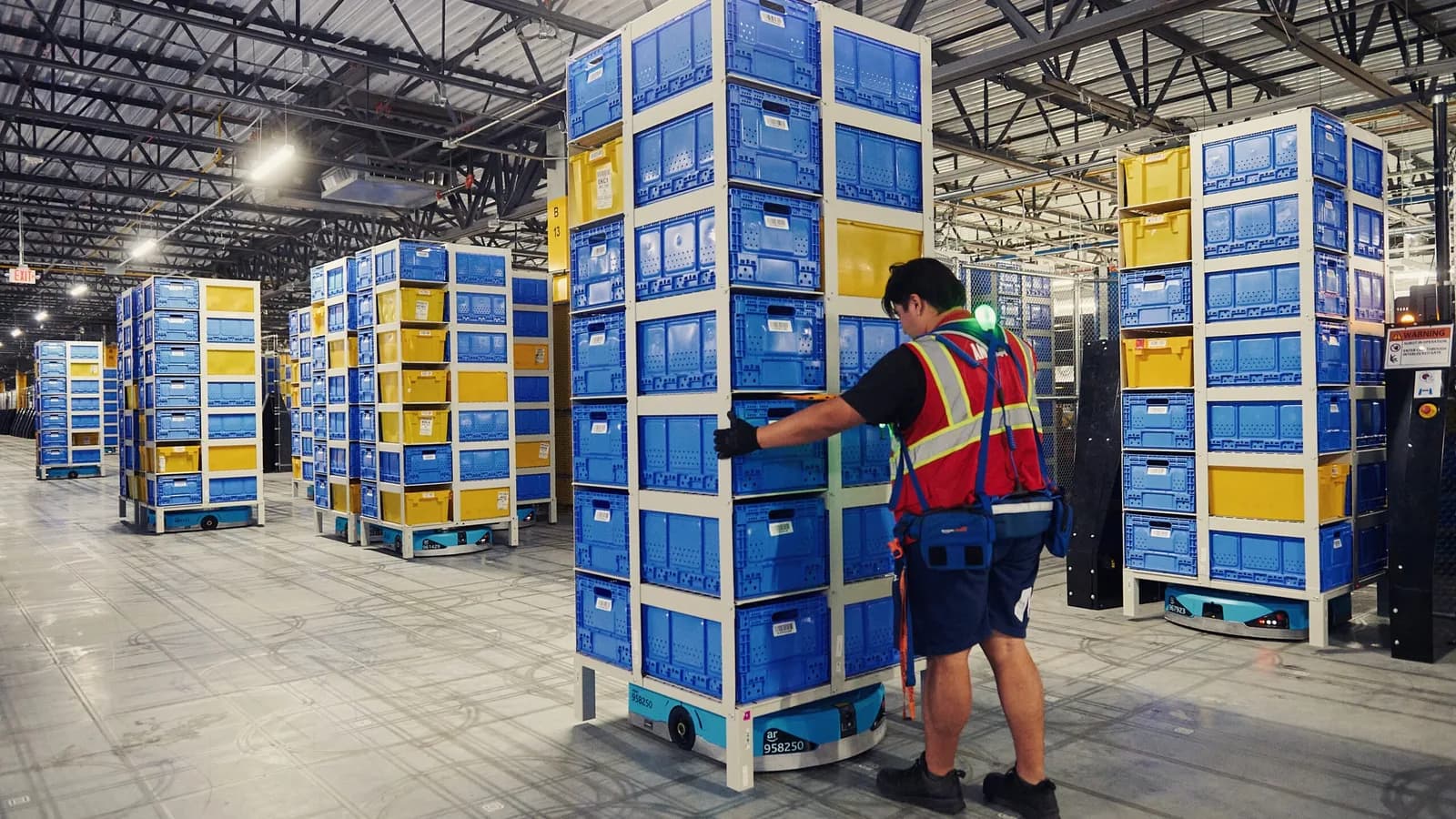
No organization in the world operates more robots than Amazon. According to an Ars Technica report published October 12, 2026, the company has more than 1 million robots working in its warehouses to support tens of millions of same-day and one-day deliveries every day. Yet Amazon remains the world's second-largest corporate employer, with more than 1.5 million full-time and part-time workers, according to its 2025 annual report.
From Kiva to Amazon Robotics
Amazon's robotic fleet traces back to its 2012 acquisition of Kiva Systems, later renamed Amazon Robotics, which pioneered wheeled robots that bring racks of items to workers instead of having workers walk the aisles. Most of today's fleet still consists of such mobile robots, and Amazon coordinates them with a suite of AI foundation models called DeepFleet that helps predict robot congestion before it happens.
Robotic arms and foundation models
- Robin: Amazon's first in-house robotic arm for sorting packages from cluttered piles, tested in 2021 and deployed in 2022; machine learning improved its pick success.
- Cardinal: packs packages weighing up to 50 pounds densely into carts bound for trucks.
- Sparrow: built to handle hundreds of millions of differently shaped products; Amazon Robotics vice president Scott Dresser called it "the first place where we truly deployed foundation models."
- Vulcan: the first Amazon arm to combine vision with force-feedback sensing, or touch. It began operating in Spokane, Washington, and Hamburg, Germany, in 2025, and Amazon expects to scale it up in 2027.
CFO Brian Olsavsky said in July that Amazon expects to more than double its robotic arm fleet this year; Dresser told Ars the current count is in the single-digit thousands. Amazon also announced new robot production factories in Austin, Texas, and Greenwood, Indiana.
The worker-safety debate
A study published in ILR Review in April 2025 found Amazon's robotic warehouses had 40% fewer severe injuries than legacy fulfillment centers but 77% more less-severe injuries linked to repetitive strain. Co-author Brian Greenwood of George Mason University tied the finding to much higher pick rates, with "the robot dictating the pace of work."
The Strategic Organizing Center (SOC), a coalition of trade unions, has criticized injury rates at robotic warehouses. Amazon calls such reports flawed and reliant on older data, and says its Global Recordable Incident Rate has improved 43% and its Global Lost Time Incident Rate 70% since 2019.
In October 2025, The New York Times reported internal strategy documents suggesting automation could let Amazon reduce projected US hiring needs by more than 160,000 people by 2027 and 600,000 by 2033; Amazon said at the time the documents reflected the views of one group. The company says advanced robotic sites need 30% more workers in reliability, maintenance and engineering roles, and that it has increased its robotics maintenance technicians by more than 30%.
Source: Ars Technica.
Related articles
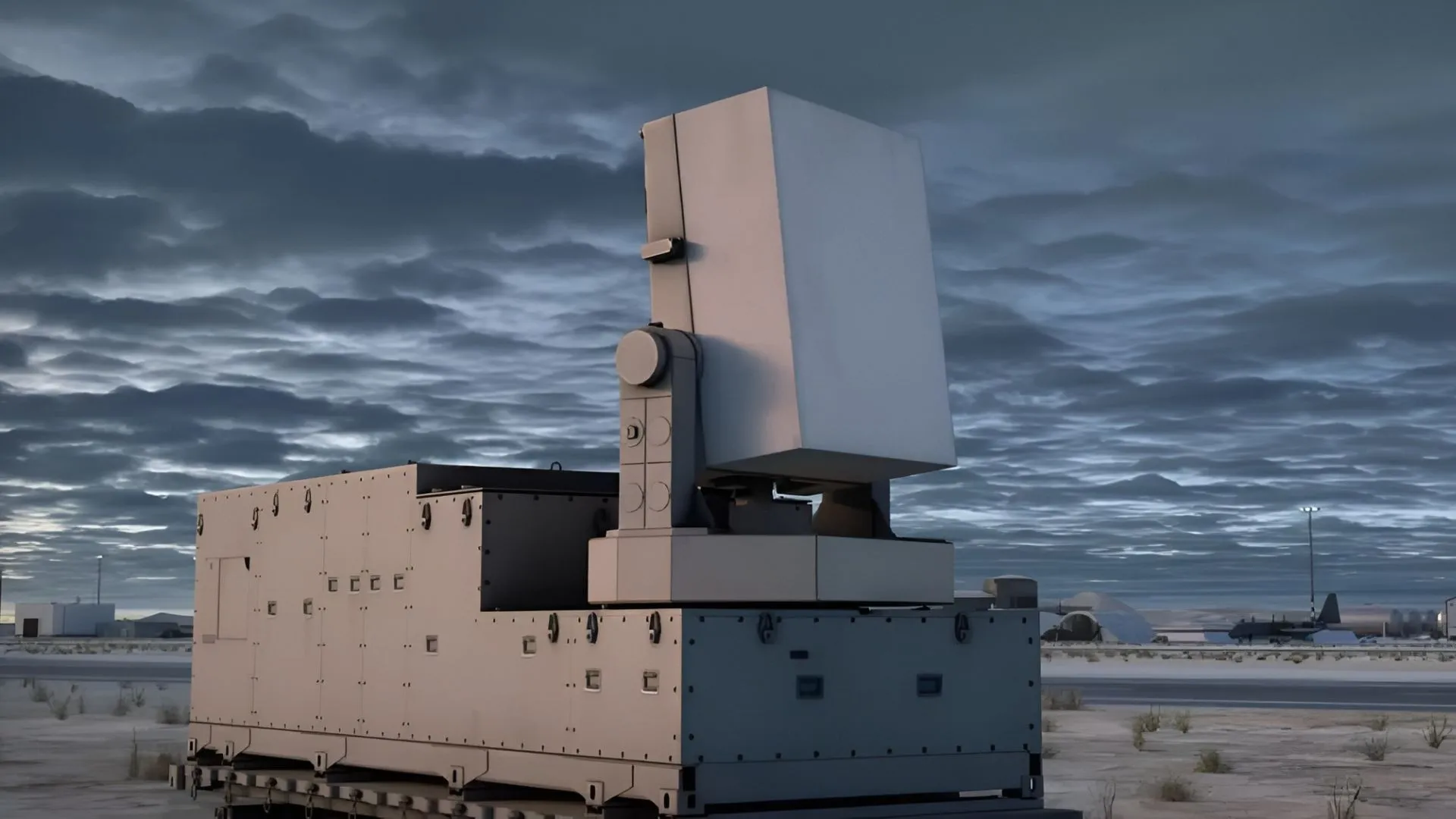
New microwave weapon can zap drone swarms without burning through missiles
BAE Systems has unveiled two air defense technologies designed to help the US Army counter...
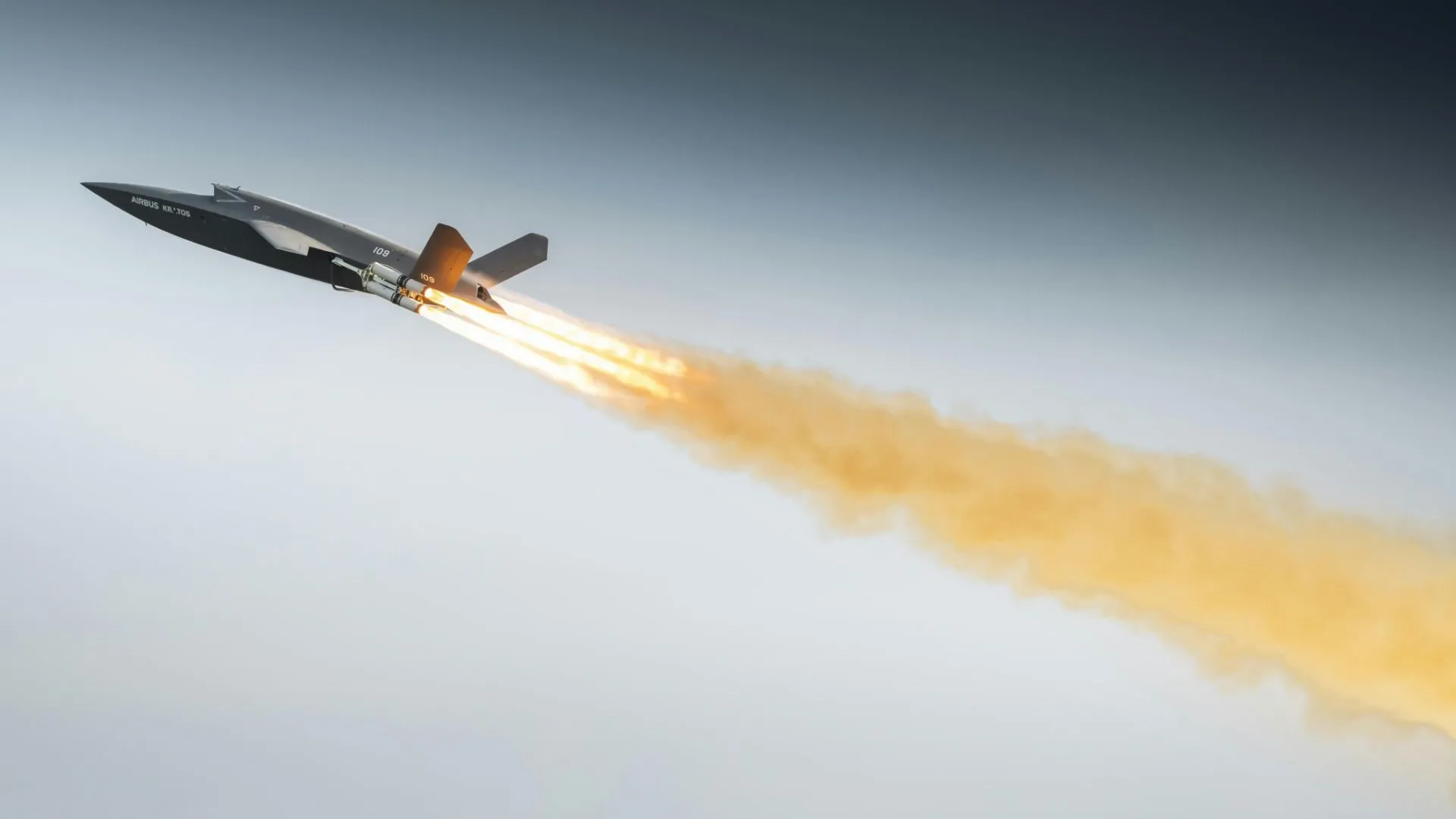
Valkyrie combat drone makes first European flight with 3,100-mile range and Mach 0.8
Airbus and Kratos Defense & Security Solutions have flown the U740 Valkyrie uncrewed combat aircraft...
Unredacted Kentucky lawsuit alleges Character.AI chatbots encouraged self-harm and starvation
Kentucky Attorney General Russell Coleman has filed an unredacted version of the state's January lawsuit against Character.AI, detailing alleged chats in which bots encouraged users to cut or starve themselves. The claims are allegations that have not been proven in court.
Microsoft President Brad Smith says UK is best placed to drive global AI regulation
Microsoft President Brad Smith told a BBC podcast that AI is both “a weapon and a tool” and that the moment has arrived for global safety rules. He said voluntary accords are not enough and backed legal breach-notification duties, outside evaluator approval before release and kill switches.
UK steps up cyber defences against AI risks and explores reporting of serious AI incidents and near misses
UK AI Minister Kanishka Narayan announced plans to scale pilots that helped fix more than 1,000 government cyber vulnerabilities, explore stronger protections under the Cyber Security and Resilience Bill regime, including how serious AI incidents and near misses are reported, and prepare for incidents involving autonomous AI agents.
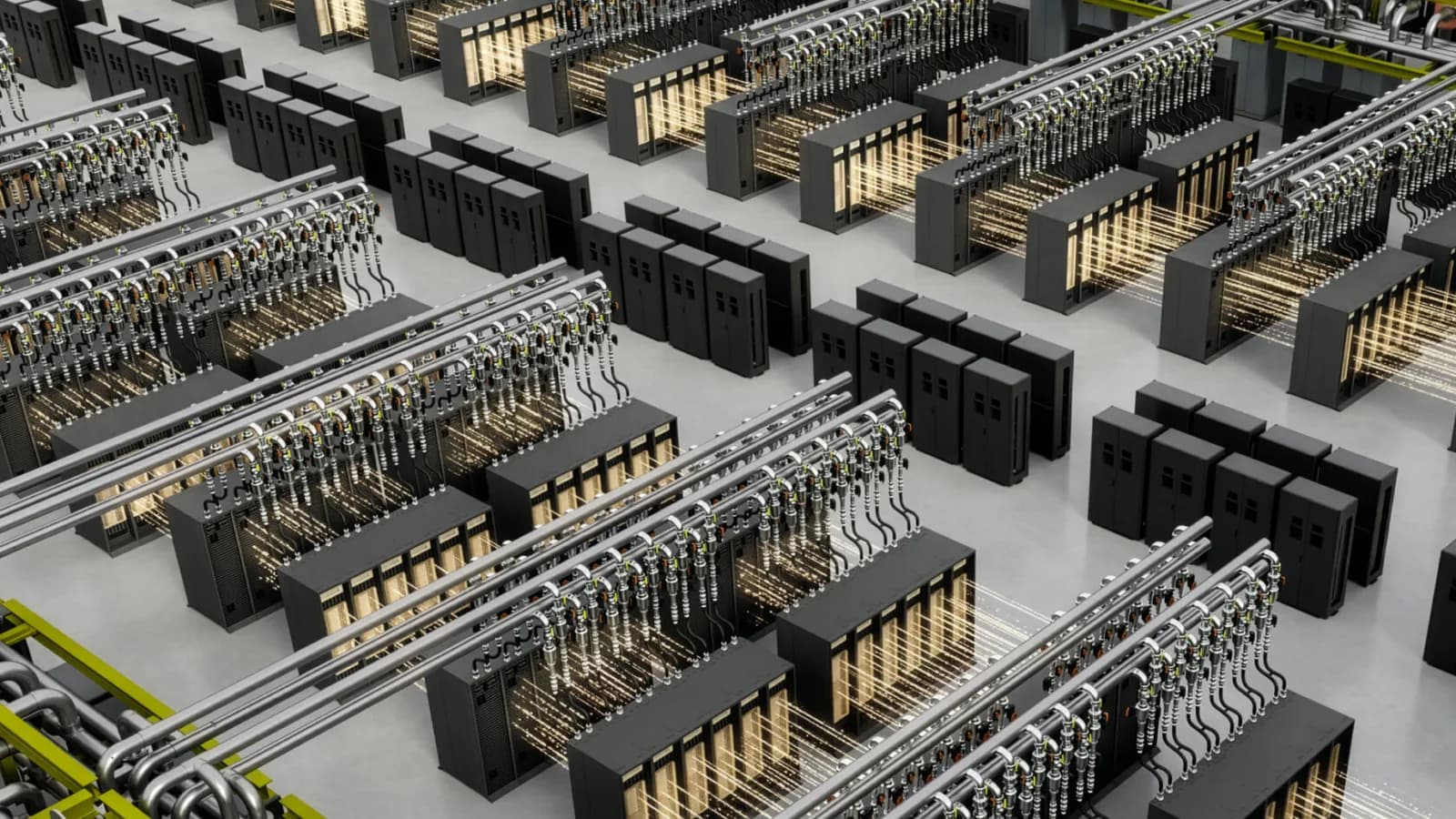
NVIDIA opens Vera Rubin rack and compute tray designs through OCP, expands AI factory networking with Meta, Google and Cisco
At the OCP Global Summit, NVIDIA contributed Vera Rubin rack and compute tray designs to the Open Compute Project via its MGX architecture. MGX 1.2 supports racks up to 250kW and a 5,000A liquid-cooled busbar, while Meta adopts Spectrum-6 Ethernet and new networking work with Google and Cisco targets AI factory bottlenecks.