
New microwave weapon can zap drone swarms without burning through missiles
BAE Systems has unveiled two air defense technologies designed to help the US Army counter...
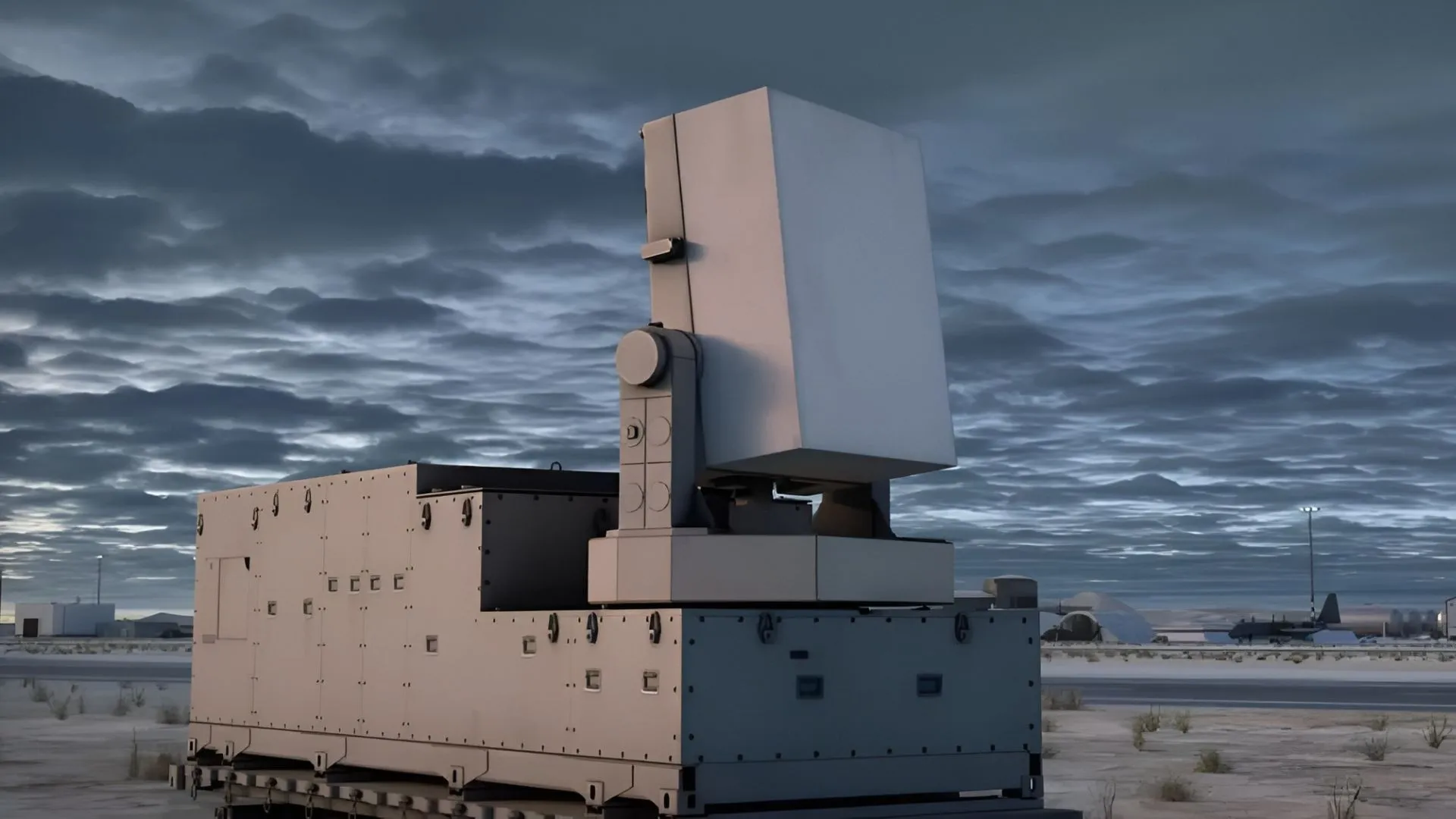
BAE Systems has unveiled two air defense technologies designed to help the US Army counter mass drone attacks without relying entirely on conventional missiles. The systems combine a high-power microwave weapon with an artillery platform that fires precision-guided projectiles against aerial and ground targets.
Unveiled at the Association of the United States Army (AUSA) 2026 exhibition, the technologies offer different ways to tackle growing threats from unmanned aircraft. One uses directed energy to engage drones without conventional ammunition, while the other relies on high-velocity projectiles for kinetic interception.
Microwave weapon targets swarms
BAE Systems’ High Power Microwave (HPM) system targets groups of drones using electromagnetic energy. It can engage successive threats as long as its power supply remains available, avoiding the ammunition resupply demands associated with conventional weapons.
That capability could prove valuable against coordinated drone attacks designed to overwhelm air defenses. Missile-based interceptors carry finite ammunition supplies, and replacing each shot can create substantial logistical demands during prolonged engagements.
The HPM system uses an architecture built around more than 99 percent commercial off-the-shelf components. BAE says this approach supports manufacturing and sustainment while allowing engineers to adapt the system across different operating environments.
Its modular design supports four deployment configurations. These include fixed installations, towed systems, combat vehicle integration, and maritime platforms. Each configuration can accommodate different power requirements and operational needs.
BAE also reports that the system has reached Technology Readiness Level 6. Outdoor range testing has validated its operation, including tests involving billions of microwave pulses to document effects on targets.
Artillery adds kinetic firepower
The Multi-Domain Artillery Cannon System (MDACS) provides a complementary approach to air defense. The air-transportable platform fires different precision-guided munitions according to the mission and target.
Against aerial threats, MDACS can launch the Hypervelocity Projectile (HVP). The guided round gives the system a kinetic option for engaging incoming threats, complementing the microwave weapon’s directed-energy approach.
MDACS can also fire Scorpio-XR, a precision-guided munition intended for fixed and moving ground targets. BAE says Scorpio-XR doubles the range of existing precision-guided projectiles launched from 155 mm cannons.
That extended reach could help US forces strike targets from greater distances in contested environments. The system’s combination of air defense and ground-attack capabilities also broadens its potential battlefield role.
Layered defense counters drone attacks
BAE is positioning the two systems as complementary parts of a layered defense. HPM offers sustained engagement capacity against drone formations, while MDACS adds a projectile-based option for aerial and ground threats.
Jason Casciotti, vice president of BAE Systems’ Weapon Systems product line, said the company wants to move mature technology toward operational use faster. He pointed to validated designs and a resilient supply chain as important factors in that effort.
The systems address a central challenge for modern air defense: stopping large numbers of relatively inexpensive threats without exhausting costly interceptors. Directed energy could reduce ammunition demands, while kinetic weapons provide another way to engage targets.
However, BAE’s announcement does not establish that the US Army has adopted either system for operational service. Their eventual role will depend on further development, testing, and procurement decisions.
Related articles
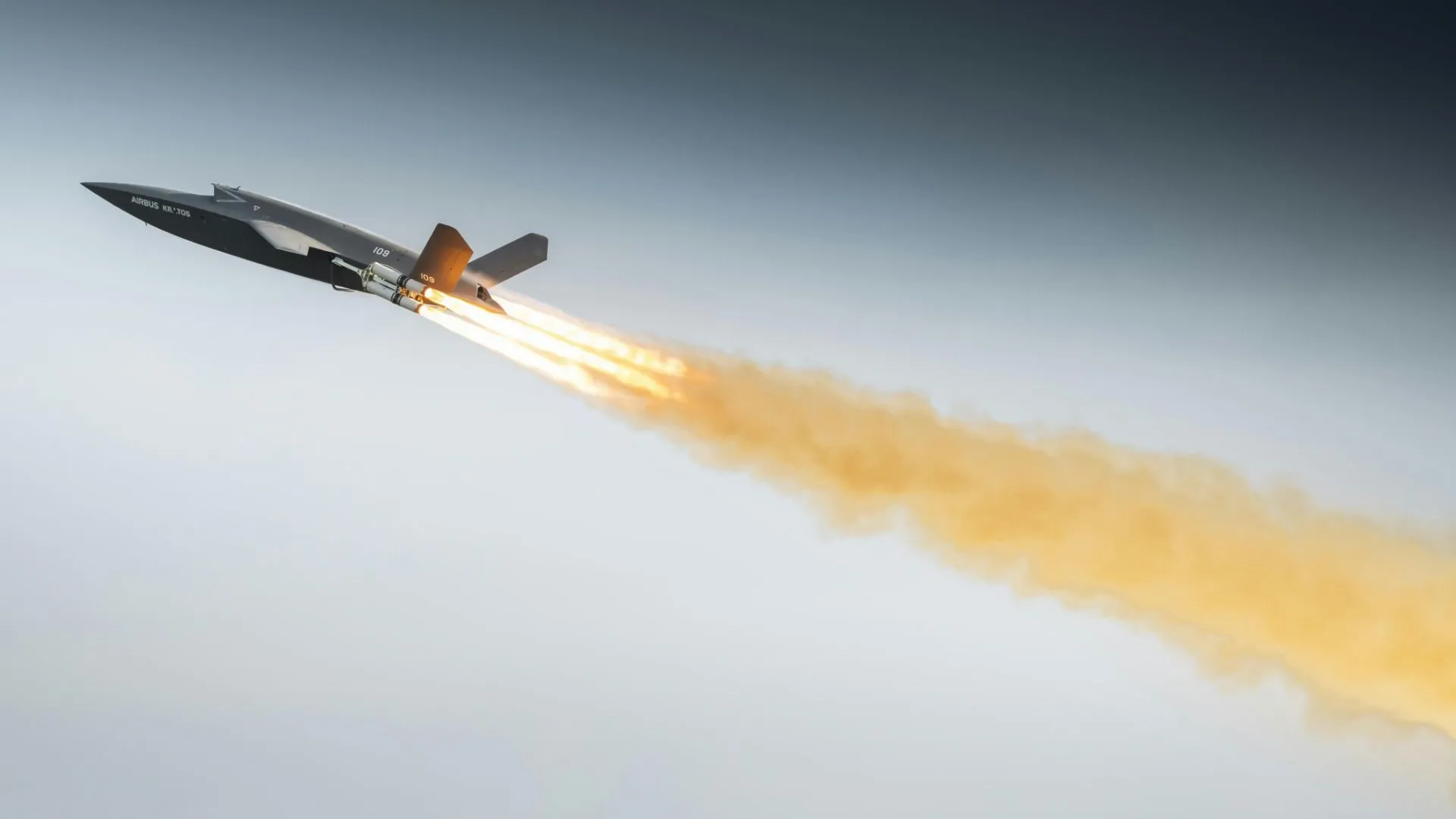
Valkyrie combat drone makes first European flight with 3,100-mile range and Mach 0.8
Airbus and Kratos Defense & Security Solutions have flown the U740 Valkyrie uncrewed combat aircraft...

Amazon tops 1 million warehouse robots as AI models like DeepFleet, Sparrow and Vulcan expand its fleet amid worker-safety debate
Amazon now operates more than 1 million robots while still employing over 1.5 million people, Ars Technica reports. The company plans to more than double its robotic arm fleet this year using AI foundation models, while researchers and unions point to shifting injury patterns.

Unredacted Kentucky lawsuit alleges Character.AI chatbots encouraged self-harm and starvation
Kentucky Attorney General Russell Coleman has filed an unredacted version of the state's January lawsuit against Character.AI, detailing alleged chats in which bots encouraged users to cut or starve themselves. The claims are allegations that have not been proven in court.

Microsoft President Brad Smith says UK is best placed to drive global AI regulation
Microsoft President Brad Smith told a BBC podcast that AI is both “a weapon and a tool” and that the moment has arrived for global safety rules. He said voluntary accords are not enough and backed legal breach-notification duties, outside evaluator approval before release and kill switches.

UK steps up cyber defences against AI risks and explores reporting of serious AI incidents and near misses
UK AI Minister Kanishka Narayan announced plans to scale pilots that helped fix more than 1,000 government cyber vulnerabilities, explore stronger protections under the Cyber Security and Resilience Bill regime, including how serious AI incidents and near misses are reported, and prepare for incidents involving autonomous AI agents.
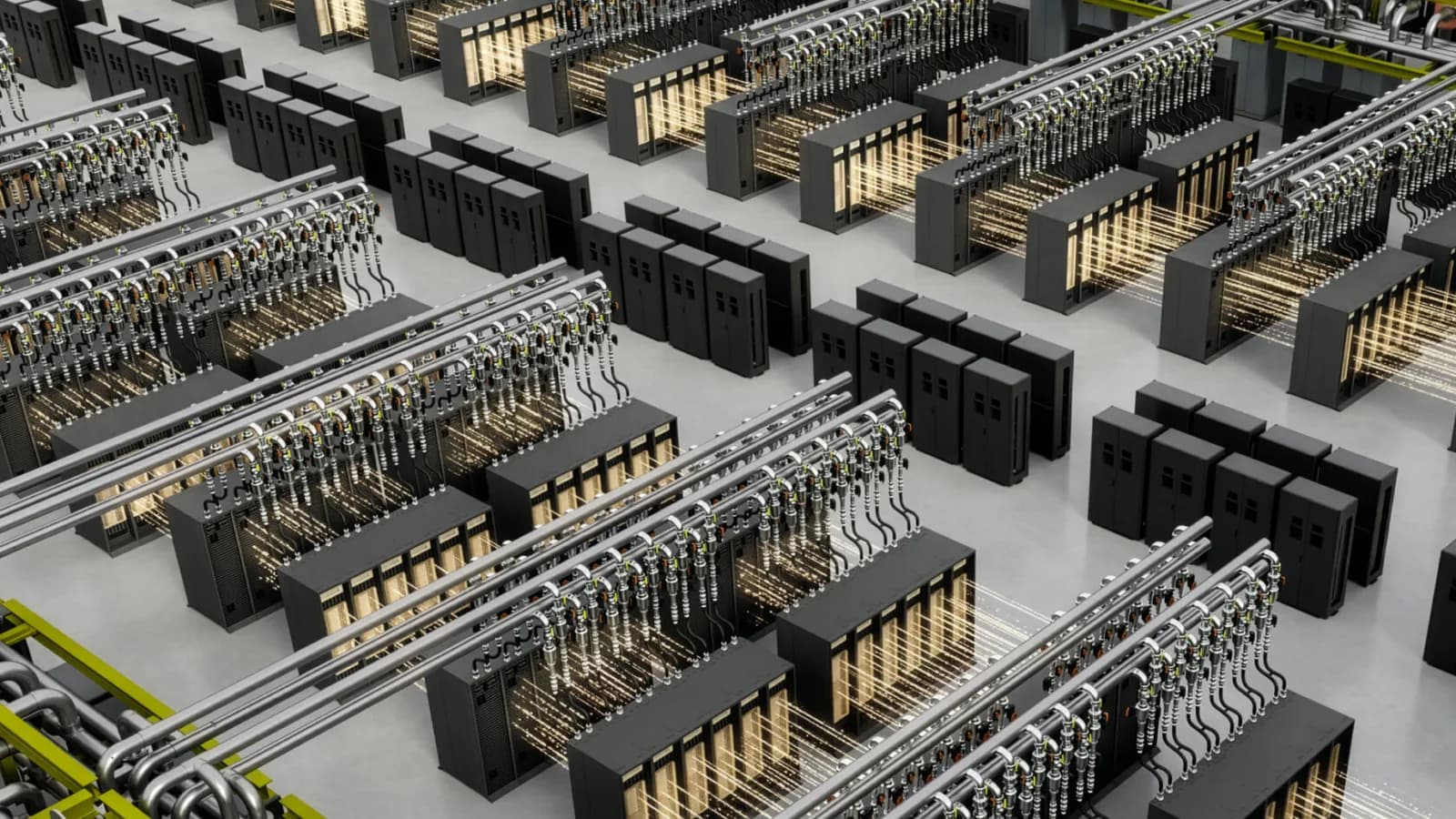
NVIDIA opens Vera Rubin rack and compute tray designs through OCP, expands AI factory networking with Meta, Google and Cisco
At the OCP Global Summit, NVIDIA contributed Vera Rubin rack and compute tray designs to the Open Compute Project via its MGX architecture. MGX 1.2 supports racks up to 250kW and a 5,000A liquid-cooled busbar, while Meta adopts Spectrum-6 Ethernet and new networking work with Google and Cisco targets AI factory bottlenecks.