
Valkyrie combat drone makes first European flight with 3,100-mile range and Mach 0.8
Airbus and Kratos Defense & Security Solutions have flown the U740 Valkyrie uncrewed combat aircraft...
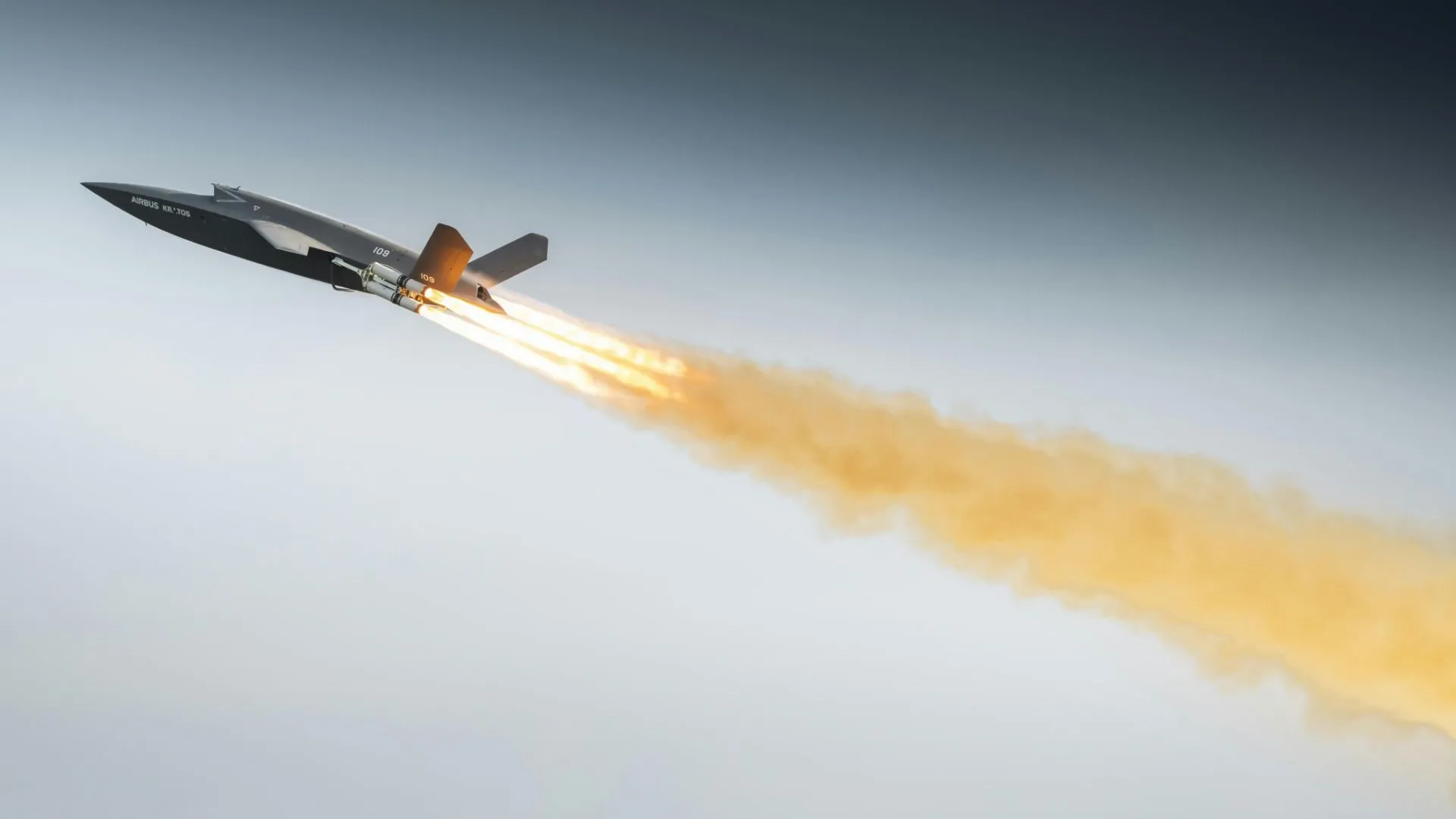
Airbus and Kratos Defense & Security Solutions have flown the U740 Valkyrie uncrewed combat aircraft in Europe for the first time. The milestone advances their effort to deliver a combat-ready Collaborative Combat Aircraft (CCA) for Germany and other European military customers by 2029.
The aircraft completed a series of maneuvers during testing at an undisclosed facility in Northern Europe. Its performance included rocket-assisted takeoff without a conventional runway, flight at speeds reaching Mach 0.8, and adjustments to mission parameters in the air.
The partners now plan more advanced trials involving Airbus’ MARS mission system. The software will help the Valkyrie execute missions autonomously while preserving European control over its critical systems.
Valkyrie completes European debut
The U740 Valkyrie measures 9.1 meters (29.9 feet) long and spans 8.2 meters (26.9 feet). It has an internal weapons bay and additional payload stations beneath its wings.
The aircraft has a maximum takeoff weight of approximately three metric tons. Its range exceeds 3,100 miles, and it can operate at altitudes reaching 45,000 feet.
These specifications position the Valkyrie for missions that expose conventional aircraft and their crews to significant risks. It can operate independently or coordinate with crewed fighters, including the Eurofighter.
Airbus expects the drone to expand the reach and firepower of existing combat aircraft. Its design also offers a way to increase the number of available combat platforms without relying exclusively on expensive crewed fighters.
The aircraft supports conventional runway operations, but its rail-launch capability offers another deployment option. Rocket assistance allows it to take off without depending on a traditional runway.
MARS brings autonomous control
Airbus’ Multi-platform Autonomous Reconfigurable and Secure (MARS) system will provide the Valkyrie with its European mission architecture. The system gives European operators control over mission applications, software, data, and hardware.
MARS uses AI-assisted software to manage autonomous missions and coordinate groups of aircraft. Human operators will retain oversight of the system, particularly when decisions involve established rules of engagement.
That arrangement gives European forces a way to adopt autonomous combat aircraft without surrendering control of their mission systems to an external supplier. Future flight tests will examine how MARS integrates with the Valkyrie’s existing capabilities.
Affordable mass drives development
Airbus Defence and Space CEO Mike Schoellhorn said modern air forces need affordable ways to increase combat capacity in increasingly contested environments.
“By pairing Kratos’ proven airframe as a ‘program of record’ with Airbus’ sovereign European mission system, we are able to offer a robust, sovereign, affordable, and combat-ready CCA system by the end of the decade,” Schoellhorn said.
Kratos CEO Eric DeMarco also praised the first flight, citing the aircraft’s maturity and the integration work between both teams. He said the partnership could expand opportunities in Germany and other international markets.
The 2029 target gives the companies several years to mature the aircraft and its autonomous mission software. Subsequent tests will determine how effectively the Valkyrie can combine affordable production, flexible deployment, and coordinated operations alongside crewed fighters.
Related articles
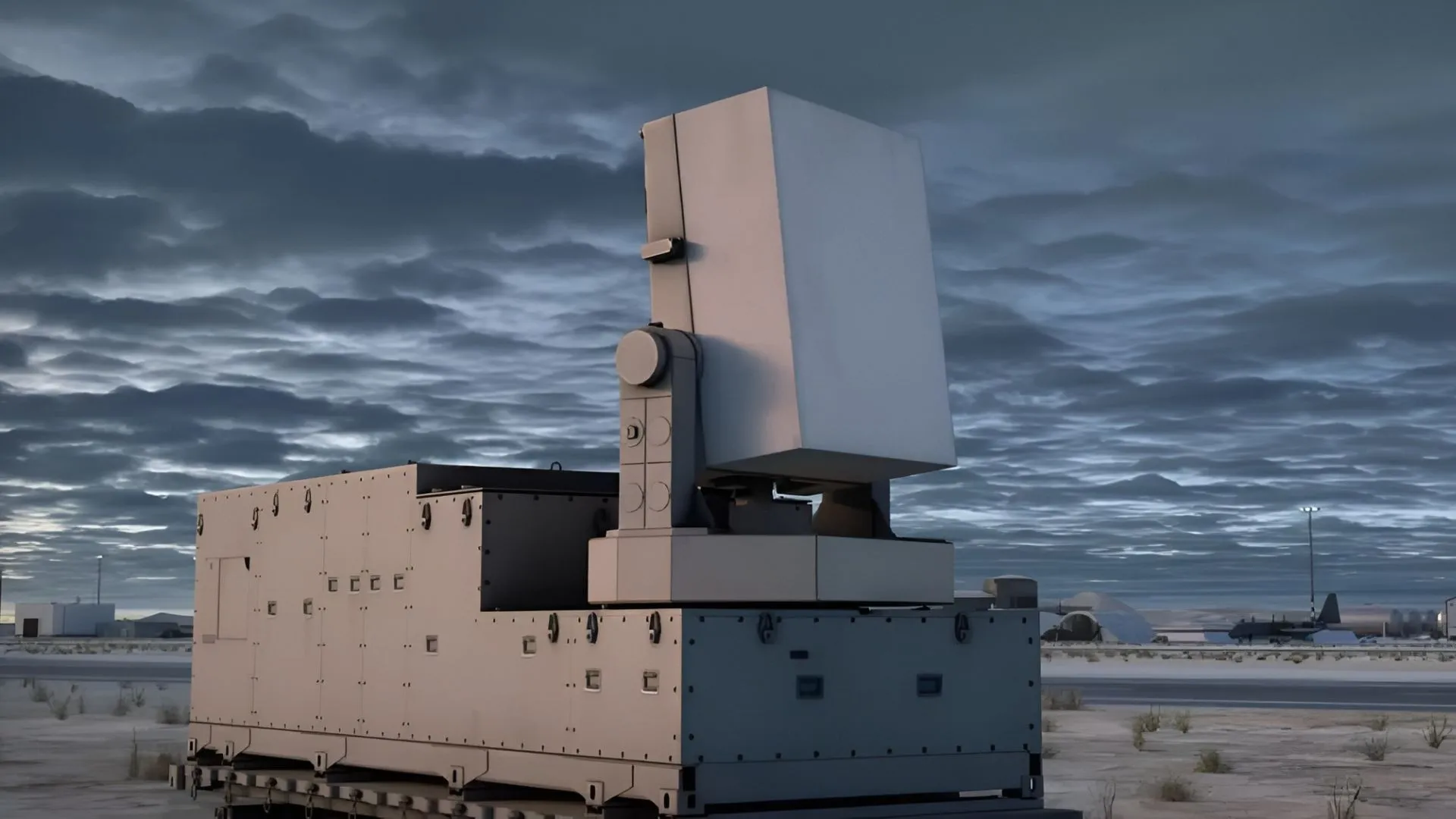
New microwave weapon can zap drone swarms without burning through missiles
BAE Systems has unveiled two air defense technologies designed to help the US Army counter...
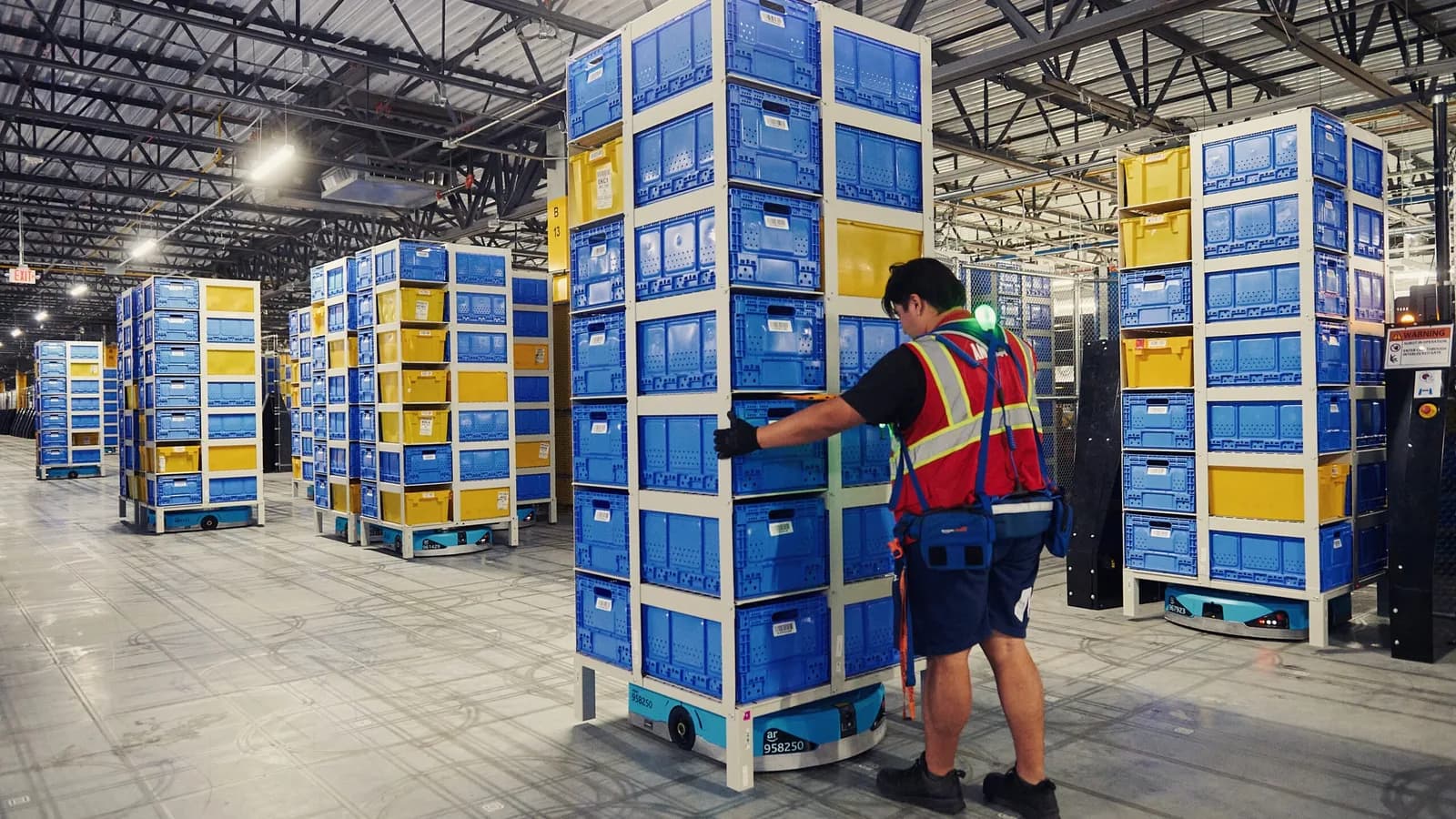
Amazon tops 1 million warehouse robots as AI models like DeepFleet, Sparrow and Vulcan expand its fleet amid worker-safety debate
Amazon now operates more than 1 million robots while still employing over 1.5 million people, Ars Technica reports. The company plans to more than double its robotic arm fleet this year using AI foundation models, while researchers and unions point to shifting injury patterns.

Unredacted Kentucky lawsuit alleges Character.AI chatbots encouraged self-harm and starvation
Kentucky Attorney General Russell Coleman has filed an unredacted version of the state's January lawsuit against Character.AI, detailing alleged chats in which bots encouraged users to cut or starve themselves. The claims are allegations that have not been proven in court.

Microsoft President Brad Smith says UK is best placed to drive global AI regulation
Microsoft President Brad Smith told a BBC podcast that AI is both “a weapon and a tool” and that the moment has arrived for global safety rules. He said voluntary accords are not enough and backed legal breach-notification duties, outside evaluator approval before release and kill switches.

UK steps up cyber defences against AI risks and explores reporting of serious AI incidents and near misses
UK AI Minister Kanishka Narayan announced plans to scale pilots that helped fix more than 1,000 government cyber vulnerabilities, explore stronger protections under the Cyber Security and Resilience Bill regime, including how serious AI incidents and near misses are reported, and prepare for incidents involving autonomous AI agents.
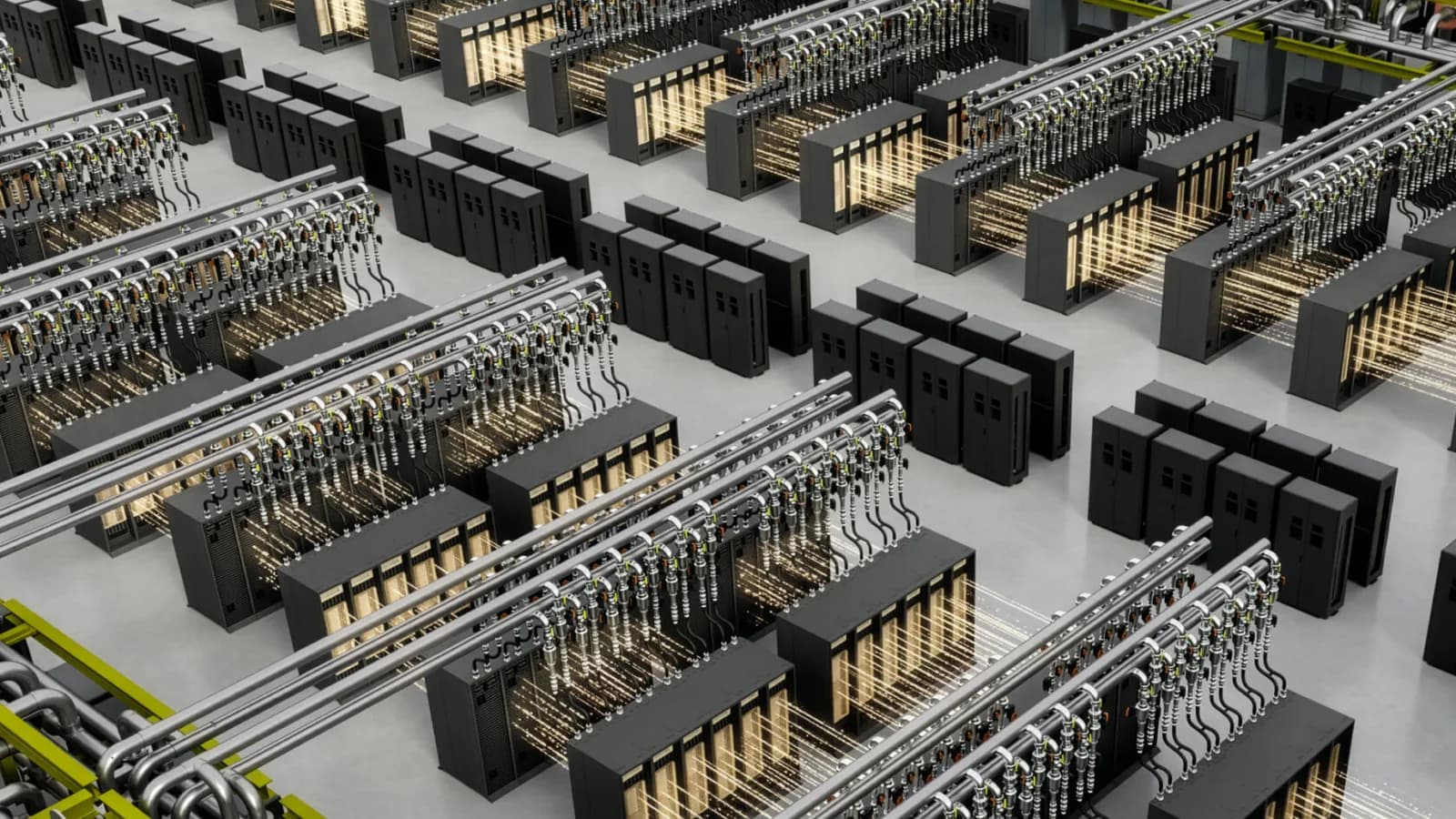
NVIDIA opens Vera Rubin rack and compute tray designs through OCP, expands AI factory networking with Meta, Google and Cisco
At the OCP Global Summit, NVIDIA contributed Vera Rubin rack and compute tray designs to the Open Compute Project via its MGX architecture. MGX 1.2 supports racks up to 250kW and a 5,000A liquid-cooled busbar, while Meta adopts Spectrum-6 Ethernet and new networking work with Google and Cisco targets AI factory bottlenecks.