
Australia’s 10,000-ton AUKUS nuclear attack submarines to get UK-built reactors
The UK is expanding its role in the AUKUS submarine program, with Rolls-Royce set to...
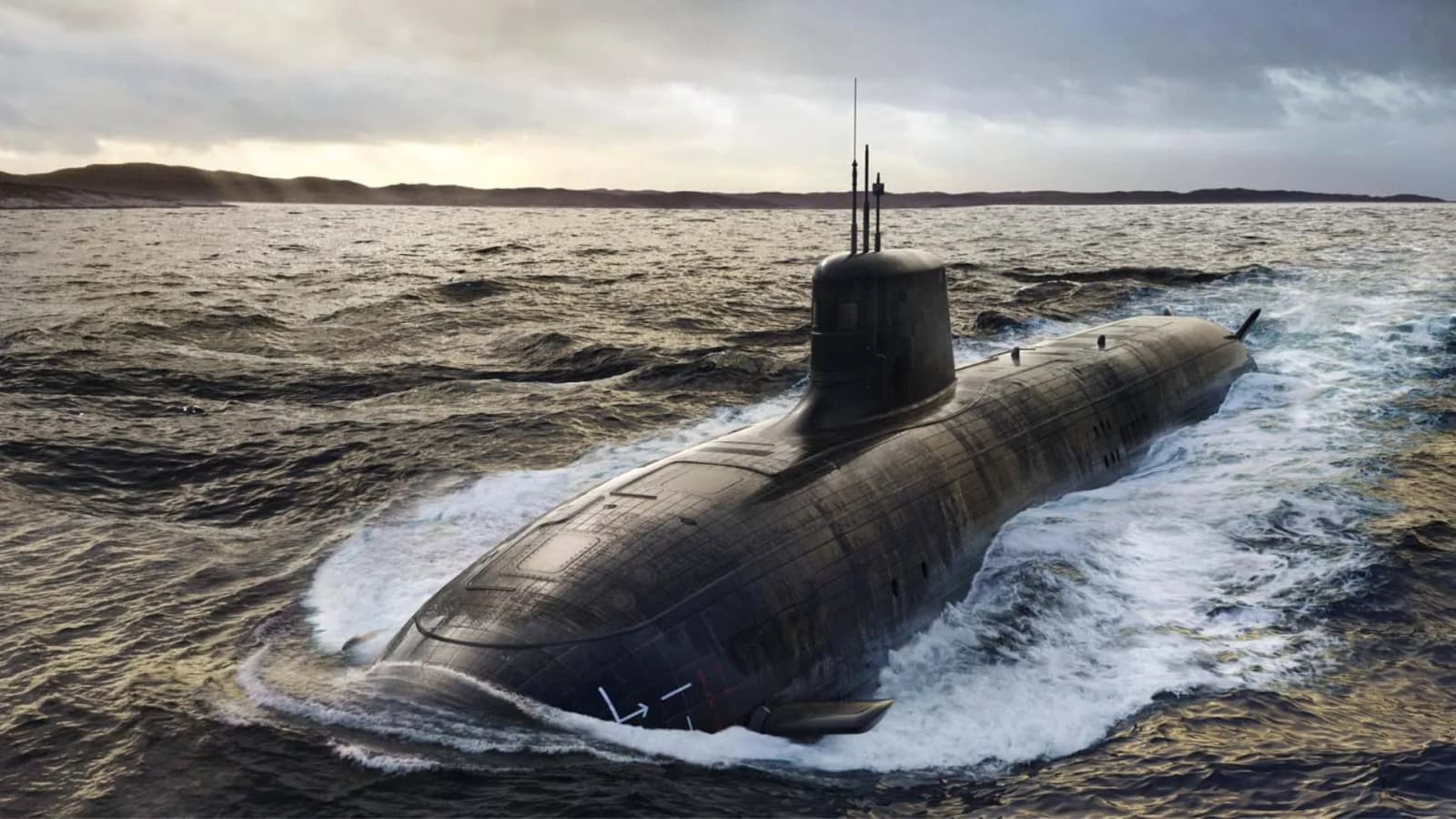
The UK is expanding its role in the AUKUS submarine program, with Rolls-Royce set to build the nuclear reactors for every Australian SSN-AUKUS submarine at its Raynesway facility in Derby. The arrangement places Britain’s nuclear industry at the heart of Australia’s future submarine fleet.
The details were included in the British government’s Defense Nuclear Enterprise 2026 Annual Update to Parliament. Australia has committed £2.4 billion, or about $3.2 billion, over 10 years to expand Rolls-Royce infrastructure and help fund the design of the new submarine.
The UK will also provide key components as Australia develops the industrial base needed to construct and maintain its own nuclear-powered submarines.
A shared submarine design
SSN-AUKUS is a British-designed, nuclear-powered and conventionally armed attack submarine being developed through cooperation between the UK, Australia, and the US. It is intended to replace the Royal Navy’s Astute-class attack submarines and become the foundation of Australia’s future nuclear-powered submarine fleet.
BAE Systems will build the British boats at Barrow-in-Furness in England. Australian submarines will be constructed at the Osborne Naval Shipyard in South Australia.
Under the arrangement, reactor production will remain concentrated at Rolls-Royce’s Raynesway site. This gives the Derby facility a long-term role in supplying reactor technology for submarines serving both countries.
Construction plans take shape
The SSN-AUKUS program is currently in its Detailed Design and Long Lead phase. The UK expects to decide how many submarines it will order before this stage concludes in 2028.
Around £4 billion, or roughly $5.4 billion, in contracts have already been awarded for submarine development and the industrial infrastructure required to support production.
Steel cutting for the first British SSN-AUKUS submarine is planned for 2027. The Royal Navy is targeting the late 2030s for the submarine to enter service.
Australia is also preparing its shipbuilding infrastructure and workforce as it moves toward domestic construction. The industrial effort is expected to support the country’s ability to operate and sustain a nuclear-powered fleet over the long term.
Raynesway set for major expansion
The British government plans to invest about £6 billion, or around $8.1 billion, during the current Spending Review period to expand submarine production capacity.
The investment covers Rolls-Royce’s Raynesway facility, BAE Systems’ shipyard at Barrow and other parts of the UK supply chain. The expansion is designed to double the current production rate and establish a sustained output of one submarine every 18 months.
That capacity will be needed as Britain manages several submarine programs at the same time. The expanded industrial base is expected to support SSN-AUKUS construction alongside the Dreadnought-class ballistic-missile submarine program.
Derby gains a long-term role
The reactor work gives Rolls-Royce a central position in the industrial structure supporting SSN-AUKUS. Its Raynesway facility will produce the reactors destined for Australia’s new fleet while continuing its role in Britain’s submarine program.
For Australia, the arrangement provides access to established British nuclear submarine expertise as its own production capabilities develop.
For the UK, the program extends the role of its submarine industrial base across two national fleets. If the planned production schedule is achieved, Derby will remain a key manufacturing center for the reactor technology powering SSN-AUKUS submarines for decades.
Related articles
US company’s new reactor can make 800 barrels of sustainable aviation fuel per day
Houston, Texas-based company Velocys has launched AlphaCore 800, its newest reactor that uses Fisher-Tropsch (FT)...
World’s first 33 feet deep submarine solar power plant trialed in China
Scientists at the Yunnan University in China have achieved a global first by building a...
Single-atom technique could tackle 350 million tons of global PET plastic waste
To break down a plastic bottle, science doesn’t need a hammer, but a microscopic scalpel....

UFO? Mysterious lights over Tehran spark online buzz 50 years after 1976 sighting
A strange cluster of lights was seen over Tehran, and videos of the event are...
Caught on camera: How smart home devices are reshaping courtroom evidence law
A Taiwanese man used footage from his family’s robot vacuum to catch his wife in...
New EV battery adds 62 miles of range every minute, reaches 97% in 9 minutes
Chinese battery maker Sunwoda unveiled its latest fast-charging EV battery technology at a battery industry...