
Aviation-grade carbon-ceramic brakes survive 1,832°F, weigh 75% lighter than steel
A brake disc the size of a car wheel that can withstand temperatures above 1,832°F...
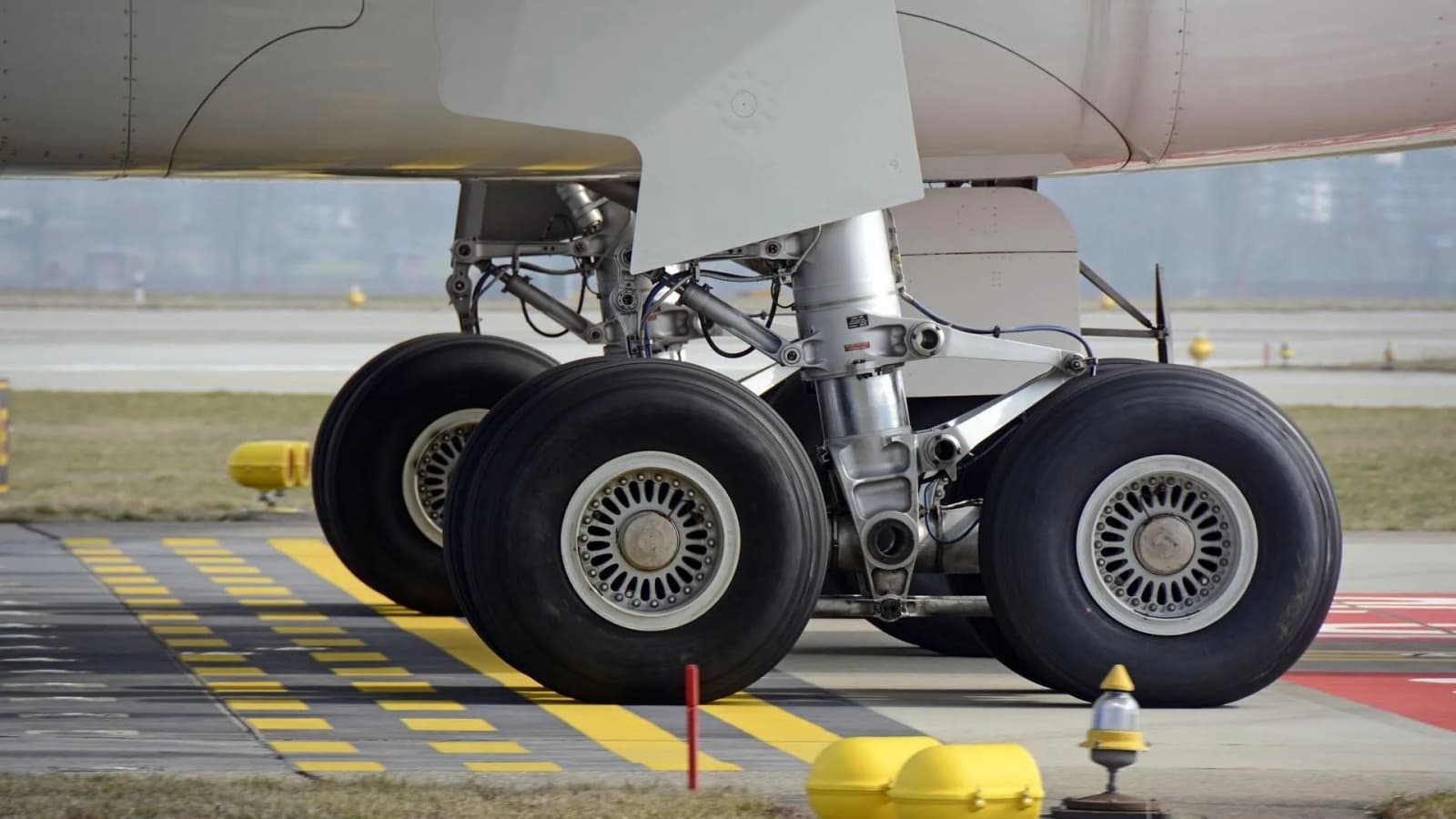
A brake disc the size of a car wheel that can withstand temperatures above 1,832°F (1,000°C), weighs a quarter of its traditional equivalent, and lasts longer under extreme repeated use is no longer a laboratory curiosity. It is in production, in service across aviation and automotive applications, and in 2025 was installed for the first time on a 373 mph (600 km/h) high-temperature superconducting maglev train.
The technology is carbon-ceramic composite braking, materials built from carbon fiber embedded in a ceramic matrix, and it is moving rapidly from premium aviation and motorsport into electric vehicles, high-speed rail, and ultimately the full spectrum of transport that demands reliable energy management under thermal stress.
The material advantage
Aviation braking is an extreme engineering challenge. During landing, brake discs must absorb the kinetic energy of an aircraft weighing hundreds of tons decelerating from over 150 mph to a stop, generating temperatures that can exceed 1,832°F across the friction surface, within a system that must be reliable enough to meet Level A safety standards: no fatal failure in a million flight hours.
Carbon-ceramic materials are made from carbon fiber reinforced with a ceramic matrix and meet that requirement while transforming the weight equation. They weigh a quarter of traditional steel or powder metallurgy brake materials. Across a complete braking system, that translates to a 30 to 40 percent weight reduction. They also demonstrate superior performance stability over repeated braking cycles and greater durability in extreme thermal and mechanical conditions.
AVIC Brake, the Aviation Industry Corporation of China’s brake technology subsidiary, has deployed carbon-ceramic brake discs across more than 10 types of advanced aircraft and now supplies civil aviation customers including Airbus A320 operators.
When domestic production of carbon brake discs entered the commercial market, the price of competing imported products dropped by over 70 percent, and delivery times shrank from up to six months to weeks — evidence of how much margin the previous supply concentration had sustained.
From runways to roads to maglev
Since 2016, AVIC Brake’s carbon-ceramic composite materials have expanded into automotive and rail applications, including Formula racing and high-speed rail platforms. In the EV sector, the company has collaborated with Xpeng and Geely on carbon-ceramic brake disc integration are applying the same material science that stops aircraft to electric passenger vehicles where unsprung weight reduction directly improves range, handling, and regenerative braking efficiency.
In 2025, the technology took its most dramatic leap: a carbon-ceramic braking system was installed on a 373 mph high-temperature superconducting maglev train, the first application of aircraft-grade ceramic brake materials at that speed and operational profile.
All-electric braking and AI
Beyond materials, AVIC Brake has developed an all-electric braking system, currently deployed on multiple drone platforms, that eliminates hydraulic actuation entirely, replacing it with high-overload electric motors operating under redundant safety architectures.
Globally, all-electric braking is found in only a small number of advanced platforms, including the Boeing 787 and the X-37B spaceplane. The system overcomes core engineering challenges in high-temperature motor operation, redundant architecture design, and real-time braking force estimation.
The next frontier is AI integration. Ground-based motion control, autonomous landing, intelligent braking, and energy recovery systems are the areas being pursued, a trajectory that positions advanced braking not merely as a safety system but as an active component of the energy management architecture of next-generation electric and autonomous vehicles.
Related articles

Firefox just got a redesign with round tabs, new themes, and Compact Mode
Firefox will look a little different the next time you launch it - more bubbly, with some new pops of color.

Polaroid’s new instant camera has four creative shooting modes you can experiment with
Polaroid announced a new instant camera that lets photographers get more creative and experimental with their shots than just changing the aperture or shutter speed.

Fairphone’s next repairable wireless earbuds will launch on October 14th
Following leaks revealing a major redesign earlier this month and an official teaser posted to X yesterday, Fairphone has shared some exclusive details with The Verge about the first follow-up to its…

Anthropic warns of ‘catastrophic’ AI risks in its own IPO filing
As Anthropic gears up for its greatly anticipated public debut, a preview of the company's IPO filing reportedly details its mounting losses, leadership proposals to retain power, and how its AI…
Texas A&M students build 6-pound drone that carries cargo twice its own weight
A team of Texas A&M University students built a drone light enough to carry more...
China unveils world’s first humanoid built around a domestic electronic architecture
China has unveiled what it describes as the world’s first embodied AI robot equipped with...