Journalist B. Bat-Amgalan: Mongolia’s media are paying the price for selling public trust
Commenting on the clash between civic activist G. Uyanga and a group of news sites that call themselves the ‘professional’ or ‘honest’ ten, journalist B. Bat-Amgalan argues that public trust in Mongolian media was traded for money. We set out his argument alongside the verified facts of the media-contract and ‘blackmail journalism’ debate and the responses of other sides.
This story was prepared automatically by software.
A debate over whether Mongolians can still trust their news media dominated social networks this week. Since October 12, civic activist G. Uyanga, coordinator of the “Protect the Tuul River” movement, has held near-daily press briefings alleging that some journalists and websites may have received land and public money under former Ulaanbaatar governor Kh. Nyambaatar. As terms such as “media contracts”, “blackmail journalism” and “state-funded press” circulate, together with the mocking nickname “Ölön 10” (roughly, “the Hungry Ten”), journalist B. Bat-Amgalan has offered a one-word diagnosis on Facebook: trust.
“Why did it come to this?”
Bat-Amgalan opens by saying that if a poll asking “Do you trust Uyanga or the ‘Ölön 10’?” were held right now, the result would be “a truly frightening picture”, and that such a poll is in effect already under way, even if no one has announced it. On one side, as he describes it, stands a citizen little known to the public; on the other, ten sites that call themselves “professional” (a title, he notes, they gave themselves) and claim the largest readership. Yet he predicts the citizen would “easily take” around 90 percent of the vote. That figure is his own estimate, not a survey result.
He stresses that Mongolians have historically trusted their journalism deeply. “Mongolians trust their journalism a great deal, which is why most of them have taken whatever it said to be true,” he writes, describing the press as having once been “king” by virtue of that trust.
So what went wrong? His answer is blunt:
“Why did it come to this? Simply because they squandered the trust.”
In his view, the trust the public gave, naively perhaps, in the belief that journalists “write the truth”, was exchanged for money and turned into country estates and “Lexus 600” cars. This is a sweeping accusation made in his own name; no law-enforcement body has made any such finding about a specific outlet or journalist. The “Lexus 600” reference echoes a car that Uyanga, in her October 14 briefing, attributed to a named journalist. That claim has not been verified either, and the journalist concerned has said her assets were acquired lawfully.
He closes:
“This, it seems, is the final fate of selling people’s trust for money.”
Bat-Amgalan’s post is sharply worded and polemical, and parts of it contain personal insults and unverified personal allegations. We have not reproduced those, and report only his central argument about trust in the media. A second, related post by the author could not be accessed, so its content is not reflected here.
From the “Honest Ten” to the “Hungry Ten”
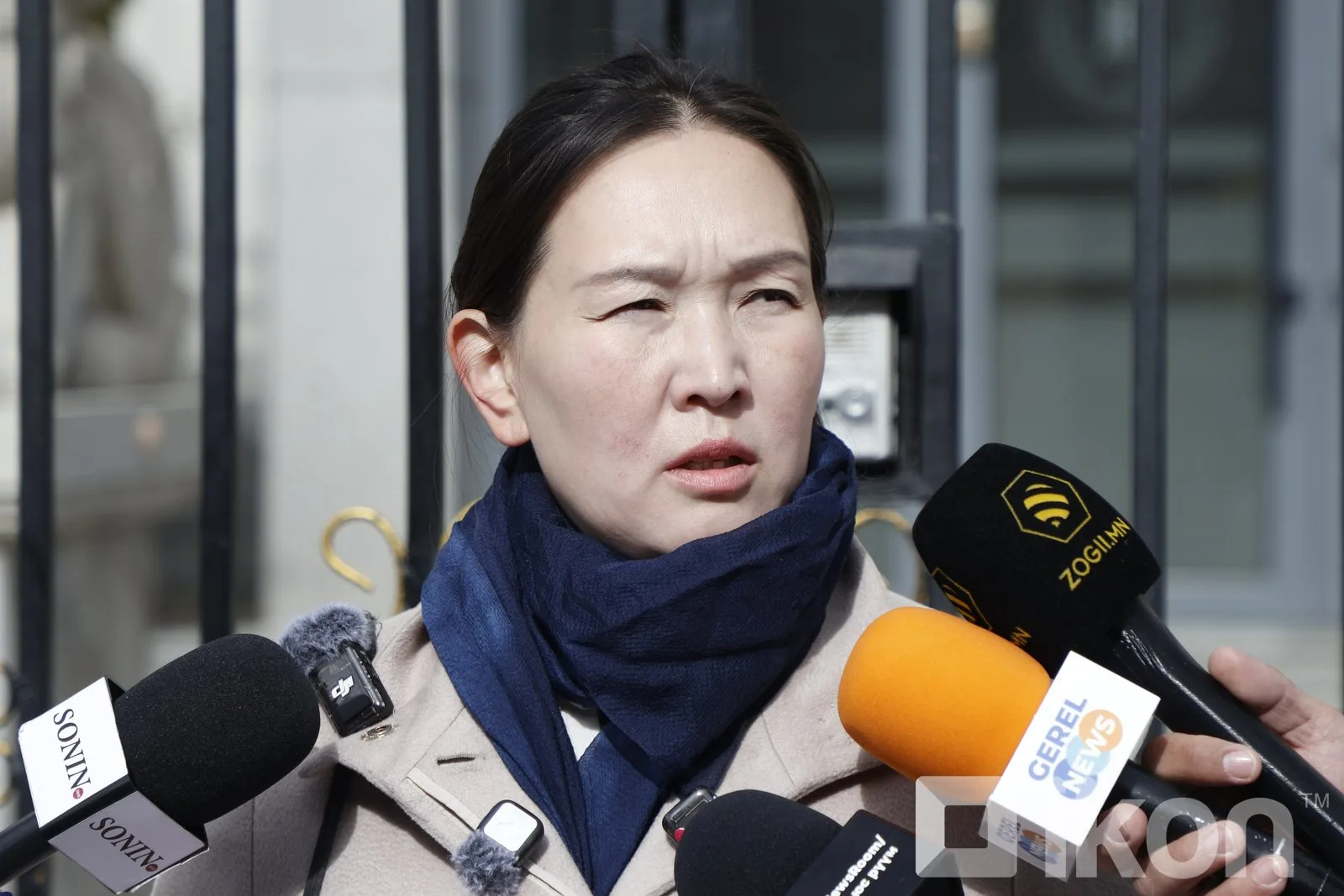
The row grew out of civic opposition to the planned Tuul expressway. On October 12, Uyanga said that during the “Protect the Tuul” campaign “many journalists, including a few outlets that call themselves the Honest 10, smeared us and attacked us without grounds”, ikon.mn and Newswire.mn reported. That day she said that ten land plots were registered to J. Myadagbadam, editor of Eguur.mn, eight of them approved on a single day, January 19, 2026, and that she would hand her documents to the National Police Agency.
Myadagbadam replied that he had bought the plots from other people and consolidated them, and that every step followed the rules. “A citizen is allowed to own land, and there is nothing being hidden,” he said, according to polit.mn. N. Önörtsetseg of Zarig.mn has said that her assets and income were obtained lawfully (polit.mn).
On October 14, Uyanga spoke outside the Independent Authority Against Corruption (IAAC), calling for named journalists’ property to be investigated. On October 15, at the IAAC entrance, she demanded that Nyambaatar be brought back to Mongolia for questioning. egov.mn covered both briefings (in Mongolian):

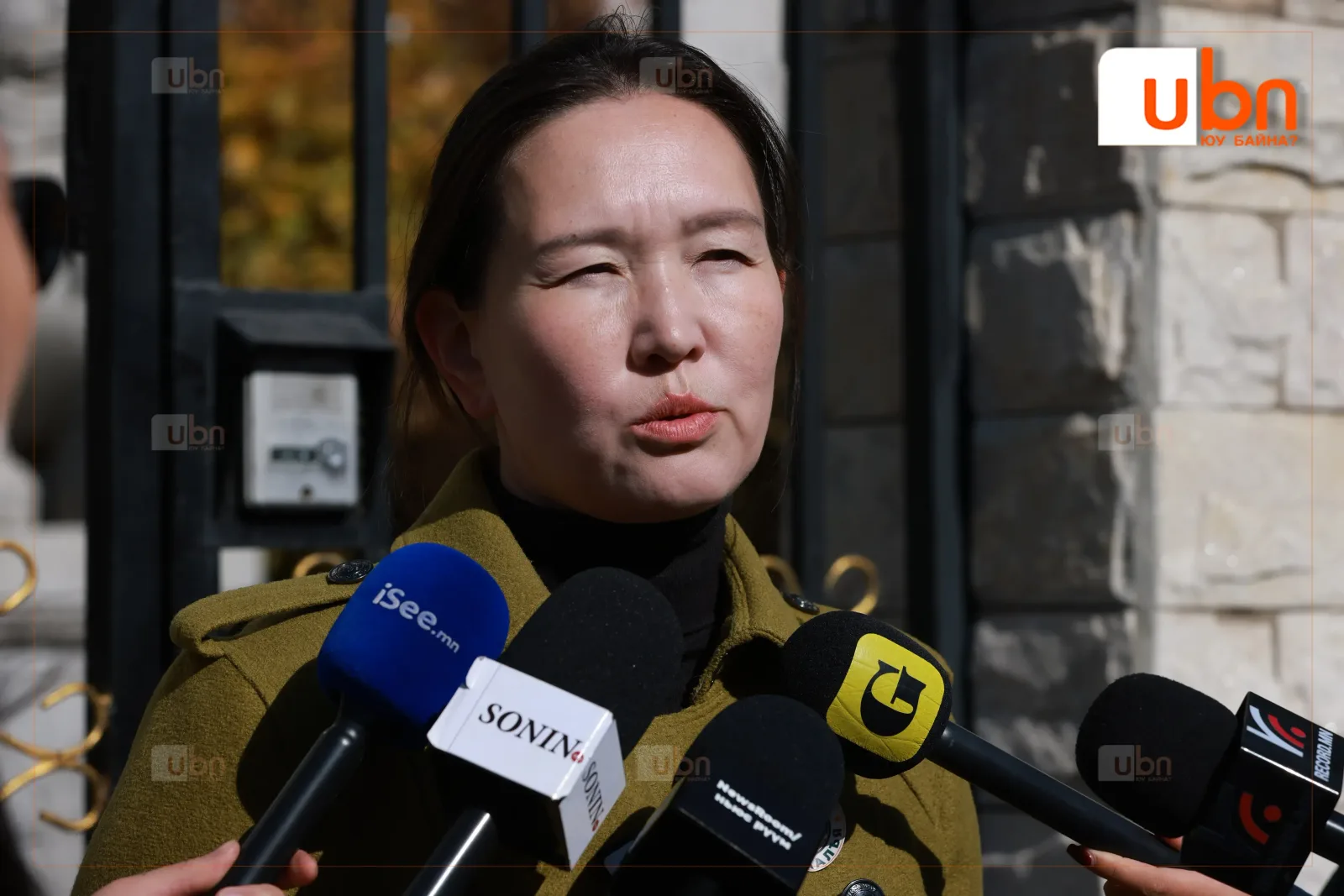
According to the daily Önöödör, she also said that the ten sites she calls the “Honest-10” received funding from city agencies, including a combined MNT 200 million for “journalist training” while the protest movement was active. These are Uyanga’s allegations; no investigating body has issued findings. Meanwhile the mocking label “Ölön 10” has spread online, and Bat-Amgalan uses it too. Which ten sites the label refers to has never been officially defined.
There are other voices as well. @Enebish_, a journalist at Graph media, wrote on X that social media “hangs everyone at once”, noting that even outlets that simply broadcast Uyanga’s briefings have come under attack. Uyanga herself faces scrutiny: MPress and iSee.mn reported that, on a prosecutor’s recommendation, a misdemeanour case has been opened against her over an incident at the Book Festival. That case is also unresolved.
Contracts, blackmail and trust
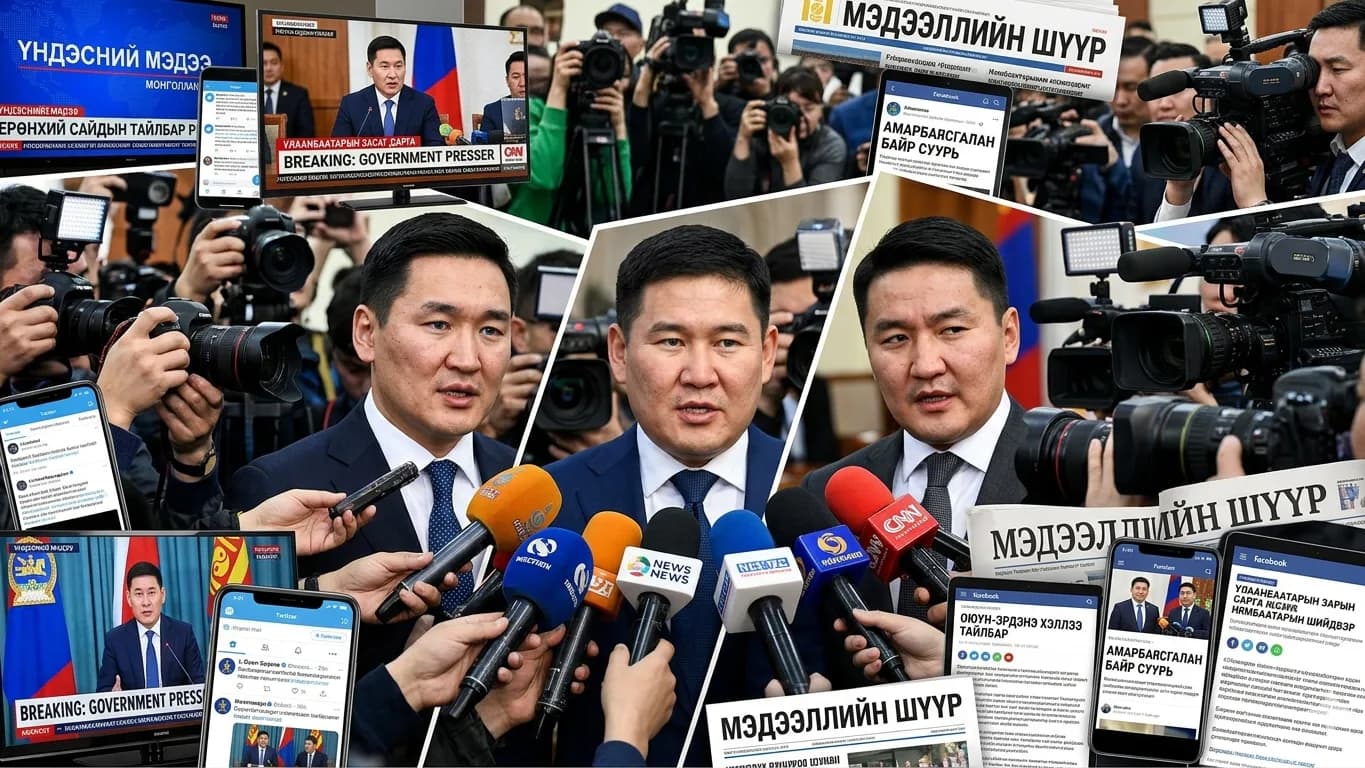
Public money is at the root of much of the anger. Citing a National Audit Office study, Uchirtai.mn reported that state bodies signed media contracts worth MNT 24.2 billion in 2025, about MNT 11 billion of which was transferred outside procurement plans. The audit office found planning and reporting had been inadequately carried out. The Mongolian Youth Coalition NGO has counted 306 media contracts worth roughly MNT 3 billion signed by the capital city in 2024–2025 (ikon.mn). More here (in Mongolian):
“Blackmail journalism” has also reached the level of a formal complaint this month. Ts. Ganzorig, head of the Presidential Office’s media department, filed a police complaint accusing Dens.mn editor T. Shinebayar of attempting to blackmail him, declaring that “journalism must not be a tool for slandering, smearing and blackmailing people” (LiveTV.mn, iSee.mn). Shinebayar was detained on October 10. On October 16, a court replaced her detention with a less restrictive preventive measure. The case has not been tried, and she is presumed innocent.
Social-media pages using the “state-funded press” label have begun listing outlets with government contracts, but egov.mn has not been able to independently verify the accuracy of such lists.
The crisis of trust is not new. A 2015 Press Institute of Mongolia survey, cited by Media Ownership Monitor Mongolia, found that only 5 percent of users “believed very much” in online news media and 32 percent trusted them “sometimes”. The Media Council’s Ethics Committee says it has received and ruled on 679 complaints since its founding, as of October 5, 2026.
See also our report on journalist G. Zoljargal’s column on the same debate:
Editor’s note
Bat-Amgalan’s piece is harsh and highly coloured, but the question it raises is real: without trust, journalism has no value. Restoring that trust, however, will not come from a social-media “poll” that crowns one side and condemns the other.
First, contracts between state bodies and media outlets should be fully transparent. Publishing who signed what with whom, for what purpose, at what cost and with what result is the most direct way to replace suspicion with facts.
Second, allegations about individuals’ assets or land allocations are for the police, the IAAC and the courts to establish. Citizens handing their evidence to law enforcement is the right step. Branding people as criminals, or insulting them, before any finding risks turning the internet into a court.
Third, the profession must deal openly with its own ethical lapses. The Media Council’s complaints process, newsroom corrections and conflict-of-interest disclosures are how trust is rebuilt through action rather than words.
Public trust is not a commodity that can be bought. It is easily lost, and it is won back only through facts, transparency and accountability.
Source: Facebook post by journalist B. Bat-Amgalan
Related post by B. Bat-Amgalan:
Related articles