
China’s new 98.5% efficient wireless EV charging system to support EVs, autonomous fleets
A joint research team from China and the UK has developed a 20 kW-class wireless...
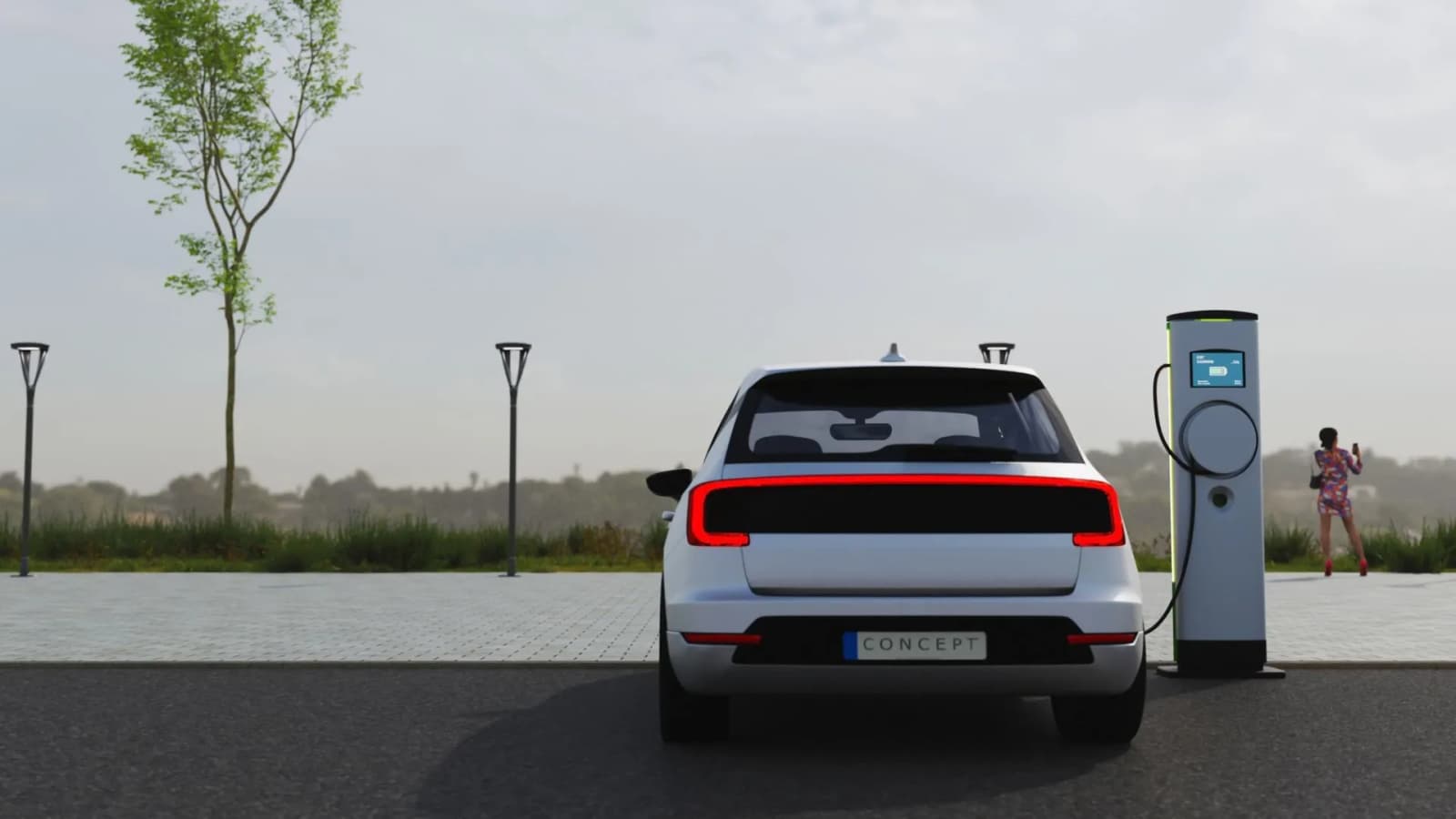
A joint research team from China and the UK has developed a 20 kW-class wireless charging system for new energy vehicles (NEVs) that breaks key thermal and efficiency barriers in inductive power transfer. Interestingly, the 20-kilowatt wireless charging system reaches an unprecedented 98.51 percent efficiency.
The Dongguan Institute of Materials Science and Technology under the Chinese Academy of Sciences (CAS) led the research, in collaboration with the CAS Institute of Physics, the City University of Hong Kong, and the University of Cambridge.
Cutting the cord
Self-driving electric vehicles can navigate complex roads, but their autonomy grinds to a halt when a manual plug-in is requirto recharge. This human dependency creates a major issue for fully automated transportation. Hence, the newly developed automated wireless charging technology aims to eliminate this limitation and allow autonomous fleets to operate and refuel without human intervention.
Usual wireless charging pads mostly use heavy ferrite cores to direct magnetic fields. Ferrite works well at low power, but when you crank up the wattage to charge a car quickly, the material fights back. It overheats, loses efficiency, and suffocates power density.
The researchers addressed this by using stress-annealed Fe-based nanocrystalline alloys with material–system co-design.
“Here, we report an inductive charging system utilizing Fe-based nanocrystalline alloys, developed through combined material and system-level optimization,” the team noted.
Engineers made a surprising design choice by favoring moderate magnetic permeability over maximum levels to balance system performance. This strategy led to the development of a compact magnetic core strip measuring 440 mm by 330 mm with a thickness of just 4 mm. The resulting material achieves half the profile of standard ferrite plates while handling high power densities.
98.51% efficient
The researchers applied a specialized stress-annealing process combined with coil-aligned lamination to optimize the core structure. These techniques successfully reduced core energy losses to 135 kW/m³ under test conditions of 85 kHz and 0.2 T.
As per the study, the system delivers a 98.51% AC-to-AC conversion efficiency alongside a volumetric power density of 9.55 kW/L across its coils and cores. It also maintains reliable thermal stability throughout high-power operational cycles.
“Integrating material and electrical design facilitates the development of inductive charging systems to support autonomous vehicles and electric mobility,” the study added.
Automated driving needs automated fueling. Without hands-free charging, fully autonomous robotaxi fleets remain a pipe dream.
It is tailor-made for China’s ambitious five-year plan (2026–2030) for intelligent connected vehicles, which targets widespread, commercial autonomous driving across major urban highways and expressways by 2030.
Cars are only the beginning.
The Dongguan Institute of Materials Science and Technology is already moving the prototype toward commercial production. Apart from passenger EVs, the technology is targeted at industrial automated guided vehicles(AGVs) in factories, heavy rail transit, and even low-altitude electric aircraft.
Through faster speeds, a thinner profile, and lower operational temperatures, the joint Sino-British team has paved the way for a world where machines can easily recharge themselves in the background.
The study was recently published in the journal Nature Communications.
Source: https://interestingengineering.com/innovation/china-20-kw-wireless-charger-electric-vehicles
Related articles

A free mod for Titanfall 2 makes it one of the best VR games ever
Titanfall has a special place in my heart.

Windows and Surface live blog: On the ground at Microsoft’s event
We're in San Francisco today to hear what's next for Windows and Surface.

The scariest thing about gray-market peptides is how little we know
This is Optimizer, a weekly newsletter sent from Verge senior reviewer Victoria Song that dissects and discusses the latest gizmos and potions that swear they're going to change your life.

The Apple Watch Series 12 is a good deal at $50 off
Several configurations of the Apple Watch Series 12 are $50 off for the first time for the remainder of Amazon’s Prime Big Deal Days.
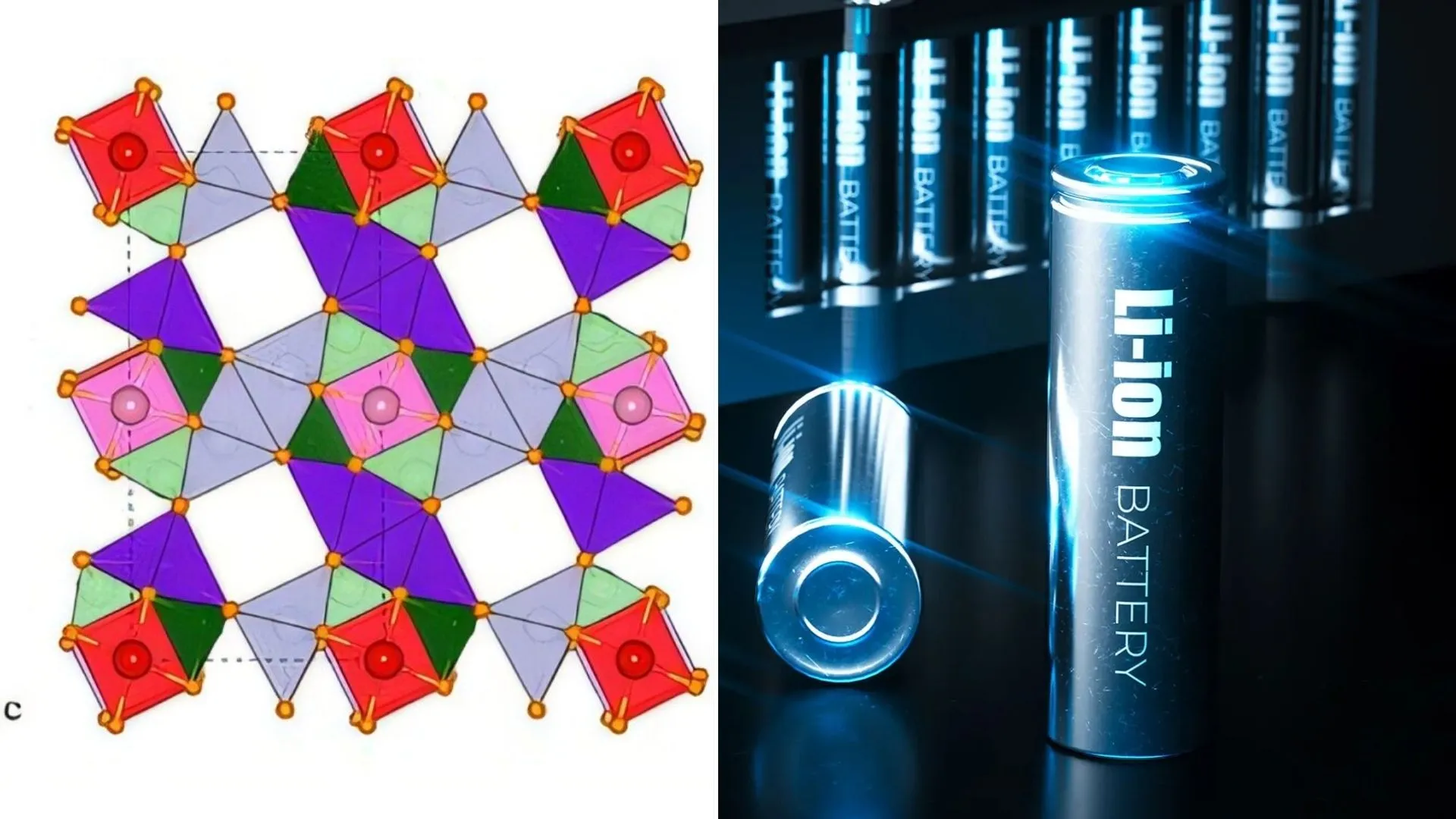
New crystal could help make solid-state batteries lighter without sacrificing speed
A newly identified crystal framework could help address a key challenge facing all-solid-state lithium batteries:...
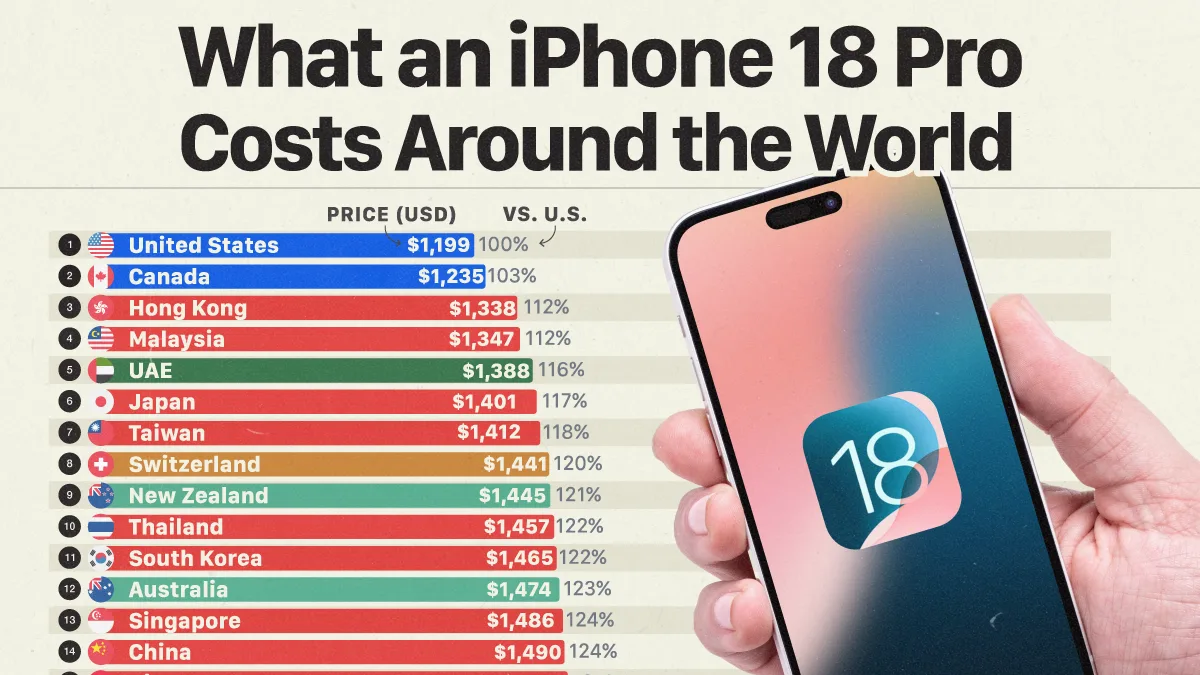
Ranked: Where the iPhone 18 Pro Costs the Most
See how iPhone 18 Pro prices around the world range from $1,199 in the U.S. to $2,817 in Türkiye.