
Cocaine plays with mind, hijacks brain circuit, drives increasingly rigid and repetitive behavior
Researchers have found that a hijacks brain circuit, which to drive increasingly rigid and repetitive...
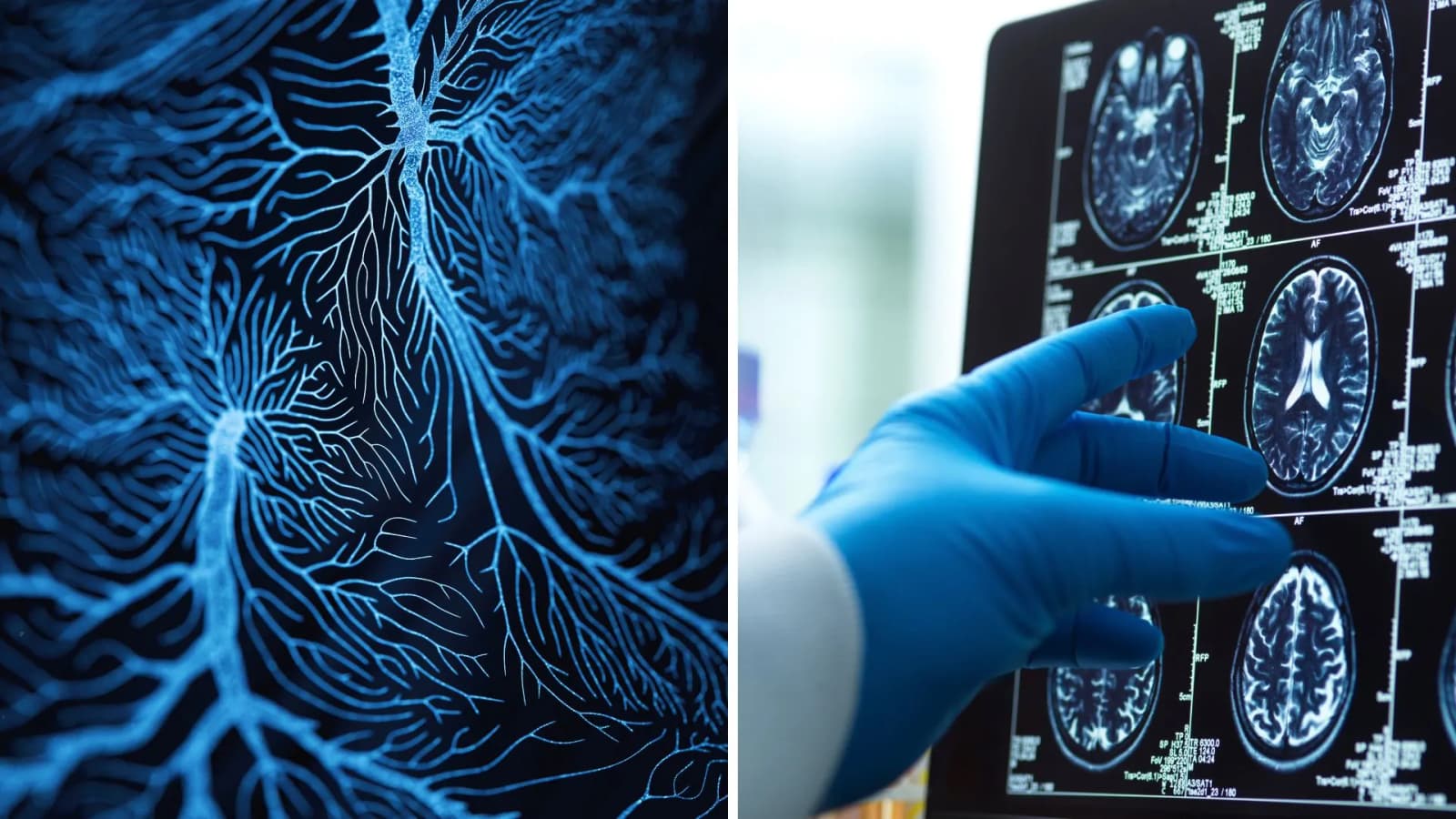
Researchers have found that a hijacks brain circuit, which to drive increasingly rigid and repetitive behavior. The brain circuit that normally participates in selecting natural mouth and face movements, but which becomes disproportionately engaged as behavior narrows under repeated cocaine exposure.
The new study by researchers from Hebrew University of Jerusalem revealed that the striatum is a brain region involved in moment-to-moment action selection.
The team captured behavior as an observer
The team confirmed that disruption of the capacity to define actions is associated with the development of repetitive and rigid/maladaptive behaviors seen in a range of neurological and psychiatric conditions, including Tourette syndrome, Parkinson’s disease and drug-induced movement disorders.
“We wanted to capture behavior as an observer actually sees it: grooming, licking, exploring, but this was impossible to score manually,” said Itay Shalom, a PhD student from Hebrew University of Jerusalem. “STEREO allowed us to track the entire behavioral repertoire progressively narrowed until one type of action came to dominate.”
Repeated exposure to cocaine
Using repeated exposure to cocaine as an experimental model of behavioral rigidity, the researchers observed a striking shift. Diverse and exploratory behavior gradually gave way to persistent repetition. By the fifth day of exposure, licking the floor and walls of the enclosure accounted for more than 60% of the observed time. These behaviors were rarely seen in the absence of cocaine, illustrating how a normally varied set of actions can become restricted to a persistent behavioral pattern, according to a press release.
The team also mapped this change to the ventrolateral striatum (VLS), an area of the striatum involved particularly in movements of the mouth and tongue. Within this region are two major neural pathways, known as the direct and indirect pathways, which appear to exert opposing influences over which actions are expressed.
When the researchers activated neurons belonging to the indirect pathway, the cocaine-driven repetitive behavior was immediately interrupted, and behavior shifted toward alternative actions. Once the stimulation was terminated, the effect rapidly reversed and repetitive behavior resumed. Suppressing this same pathway produced the opposite result, limiting the ability to switch behavior, driving longer bouts of the repetitive behavior, as per the release.
The research team revealed that the direct pathway showed the opposite pattern. Reducing its activity weakened the drug-induced repetitive behavior, while activating it in the absence of cocaine was itself sufficient to produce rigid patterns of repetitive actions resembling those observed following drug exposure.
“Cocaine does not appear to create an entirely new behavioral program,” said Ben Jerry Gonzales, a student of Hebrew University. “It takes control of a circuit the brain already uses for natural actions and pushes behavior toward persistent repetition.”
The team also pointed out that the same circuit is responsible for the expression of normal, context-appropriate grooming and licking. Cocaine therefore appears to hijack a normal action-selection system rather than recruit a circuit dedicated to abnormal behavior.
The findings may help researchers better understand how repetitive motor behaviors emerge across different neurological and psychiatric conditions. Because different areas of the striatum correspond to different types of movement, the researchers propose that similar imbalances in other striatal circuits could potentially contribute to other forms of behavioral rigidity, as per the release.
Source: https://interestingengineering.com/science/cocaine-plays-with-mind-hijacks-brain-circuit
Related articles
Two labs independently measure quarter-electron charge in a rare quantum state
An electron cannot be split into smaller charged pieces. Yet under extreme conditions, electrons can...

Quantum simulator captures a strange process that can break quark strings
A quantum simulator has given physicists a new look at one of the strangest processes...
10x stronger super ice created, rivals concrete in strength, absorbs 70x more energy before breaking
Scientists have developed a new type of ice piece, which is about 10 times stronger...

Does universe’s oldest light carry hidden twist? Scientists build clever new way to find out
The cosmic microwave background is the oldest light in the universe, leftover radiation from roughly...
Engineers use tiny light beam to rewrite magnetic memory at high speed
For decades, magnetic data storage has depended on the general idea of using a magnetic...
Scientists build a palladium membrane to keep water out of green ammonia reactors
For years, scientists have tried to make ammonia without relying on fossil-fuel-derived hydrogen, but they...