Construction of world-first waste-to-energy plant completed, offers over 90 % CO2 recovery
A Japanese company has developed a new method to separate and capture carbon dioxide (CO₂)...
This story was prepared automatically by software.
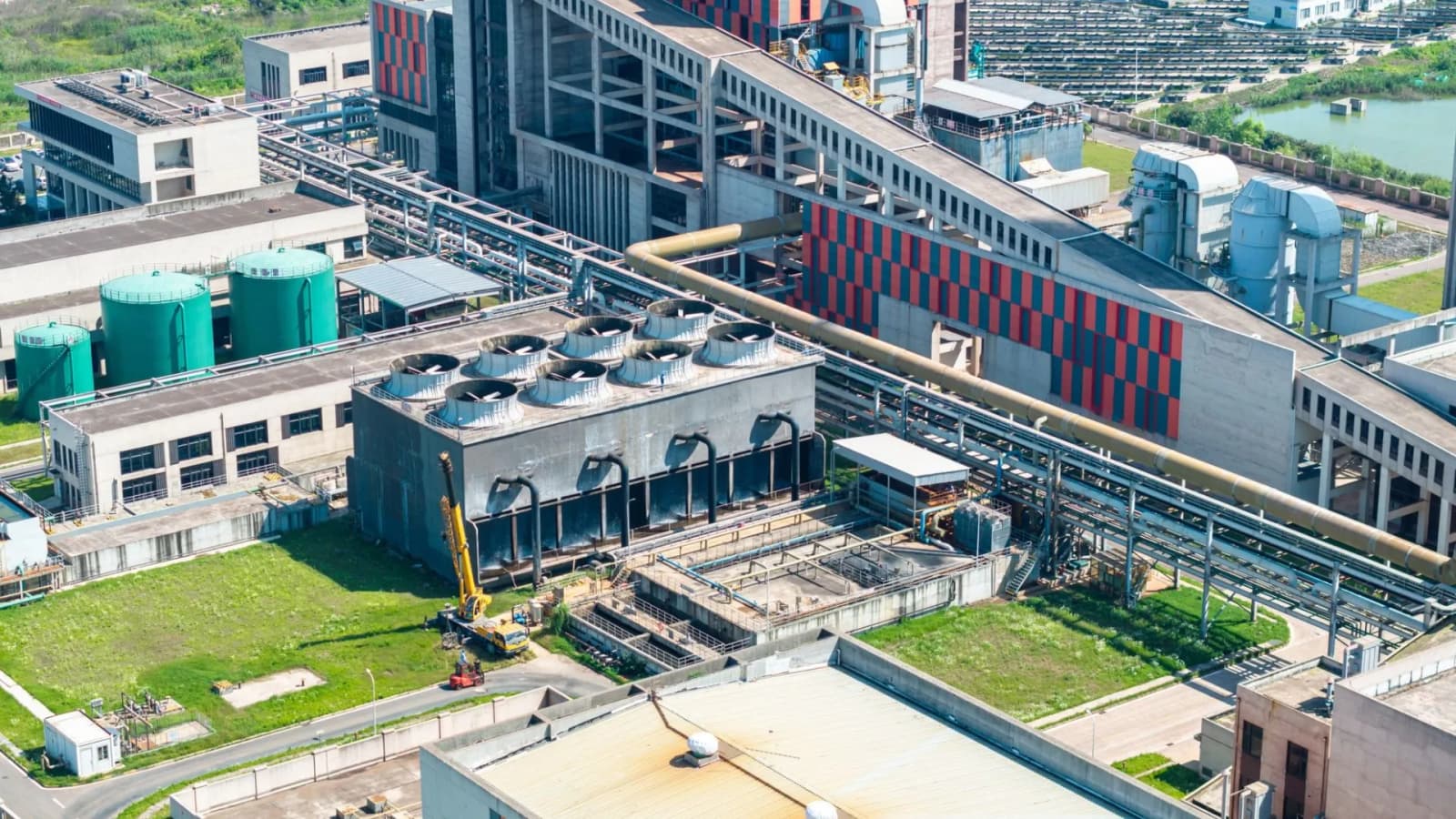
A Japanese company has developed a new method to separate and capture carbon dioxide (CO₂) from flue gas during waste burning.
The technology, which has been built by Kanadevia, a technology corporation, has been integrated into an incineration plant in Shinagawa City, Tokyo. The company has worked on it for nearly two years and has planned its world-first demonstration for over a year, starting in November 2026 at the incineration plant in Tokyo.
The facility is a pilot-scale plant with an incineration capacity of 2 tons of waste per day and includes a system to separate and capture CO₂.
Burn waste with oxygen, flue gas
Unlike conventional incinerator plants that burn waste using normal air that is 71 percent nitrogen and 21 percent oxygen, the Tokyo plant uses almost pure oxygen instead of air and recycles some of the exhaust gas (flue gas) back into the furnace.
This method prevents nitrogen from diluting the exhaust gas, which hinders combustion and keeps the CO₂ concentration relatively low.
As a result, a much higher concentration of CO₂, several times higher than in conventional systems, is obtained in exhaust gas while using the new method. This makes capturing CO₂ easier and more efficient.
Using the new method, the company aims to increase the CO₂ concentration in exhaust gas, also called flue gas 30 percent to 60 percent from the existing approximately 8 percent to 15 percent, concentrations achieved by conventional waste combustion technology.
A higher CO₂ concentration makes it easier and more energy-efficient to separate and capture the carbon dioxide, regardless of the capture technology used.
Recycle captured carbon
Once captured, the CO₂ can either be liquefied for storage or transport, or be used to make methane (methanation), which can serve as a fuel or industrial feedstock.
At the plant, instead of simply burning waste, it captures and reuses carbon, helping keep it in circulation rather than releasing it into the atmosphere, allowing more sustainable operations.
Moreover, these carbon-neutral, carbon-circular plants installed with the new technology produce lower exhaust emissions and reduce the space required for capture and separation systems.
Laboratory-scale testing has demonstrated a CO₂ recovery rate of more than 90 percent. The purity of CO₂ obtained through the method exceeded 95 percent.
The company has plans to adopt the technology for commercial use after the successful pilot and aims to achieve a stable capture rate of more than 90% from CO₂-enriched flue gas. The project will continue for the next four years and is expected to help produce electricity using heat from waste incineration.
Beyond the power generation, these facilities would also be able to capture CO₂ and use it as a resource or feedstock for fuel, the company said in astatement. It said the new technology, once commercialized, will add a carbon circularity function to WtE plants.
Related articles