Cybertruck final countdown: Tesla plans to wind down pickup production in 2027
Tesla will wind down Cybertruck production at its Texas Gigafactory around mid-2027 to make room...
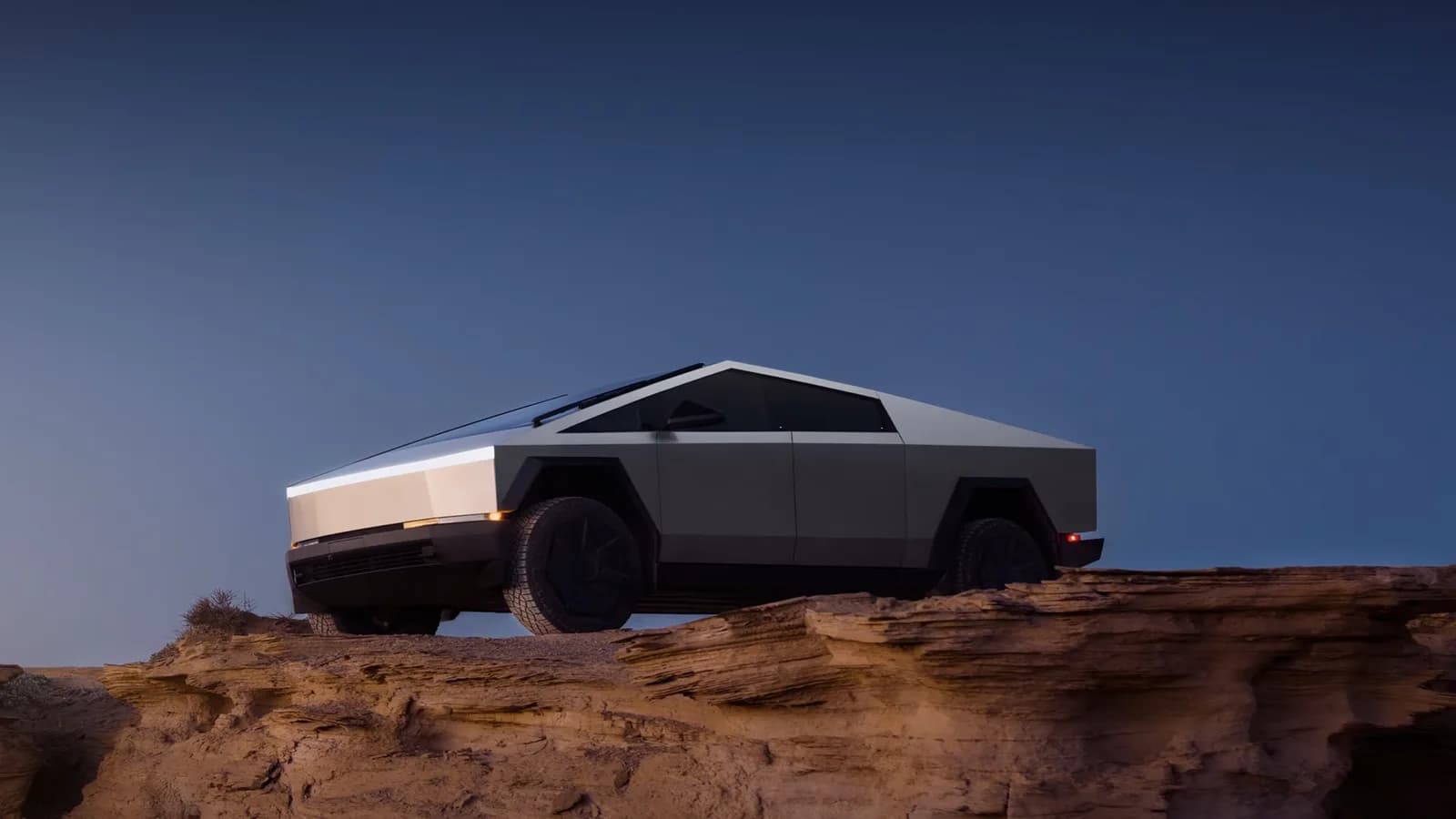
Tesla will wind down Cybertruck production at its Texas Gigafactory around mid-2027 to make room for increased production of its Cybercab robotaxi, marking a major shift in the electric vehicle maker’s manufacturing priorities.
CEO Elon Musk announced the move in a post on X on Friday, saying the company would redirect factory capacity towards the two-seat autonomous vehicle. He did not clarify whether Cybertruck production would move to another facility or end altogether.
The decision comes after the stainless-steel electric pickup struggled to achieve the sales volumes Tesla had initially anticipated. It also underscores Musk’s growing focus on autonomous transportation as the company looks beyond conventional electric vehicles.
The Cybertruck was unveiled in 2019 with an angular stainless-steel exterior that set it apart from traditional pickups. Tesla initially planned to begin production in 2021 but faced several delays before delivering the first customer vehicles in November 2023.
Cybertruck sales stuck in slow lane
Musk had previously projected annual Cybertruck sales of up to 250,000 units. However, the pickup has struggled to attract buyers beyond its niche following, with its unconventional design, high price and production issues limiting its commercial reach.
According to Cox Automotive estimates, Tesla sold 20,237 Cybertrucks in the US in 2025, down 48% from 38,965 units in 2024. The figures highlight the gap between the company’s original ambitions and actual demand.
The vehicle has also faced multiple recalls and quality-control problems since its launch. These included issues involving its accelerator pedal, exterior components, and drive systems, adding to the challenges surrounding its production and ownership.
Tesla does not separately disclose Cybertruck sales in its quarterly delivery reports, making it difficult to assess the model’s performance using the company’s own figures.
The production wind-down does not necessarily mean Tesla is abandoning the pickup altogether. Musk later responded to a post describing the decision as the end of an era, saying the existing Cybertruck fleet would remain around for a long time, without providing details about future production plans.
Cybercab takes production priority
The factory space freed up by the move will support increased production of the Cybercab, Tesla’s purpose-built autonomous electric vehicle designed for its robotaxi network.
Unveiled in October 2024, the Cybercab has two passenger seats and does away with conventional driving controls, including a steering wheel and pedals. Tesla envisions the vehicle operating without a human driver as part of an autonomous ride-hailing service.
The company has already started production of the Cybercab, according to its second-quarter 2026 update, and has been testing production vehicles on public roads.
However, scaling up the robotaxi program will depend on Tesla’s ability to expand its autonomous driving operations and meet regulatory requirements. Driverless vehicle deployment remains subject to safety oversight, while the company has yet to demonstrate that its robotaxi model can operate at scale across multiple markets.
The shift also reflects a broader change in Tesla’s ambitions. Muskhas increasingly positioned robotics and autonomous transportation as central to the company’s future, alongside its electric vehicle and energy businesses.
By redirecting factory capacity from the Cybertruck to the Cybercab, Teslais making a clear manufacturing bet on that strategy. Whether the robotaxi can deliver the commercial success that eluded its electric pickup remains to be seen.
Source: https://interestingengineering.com/transportation/tesla-cybertruck-production-wind-down-cybercab
Get the latest news delivered to your inbox.
Related articles