
Elon Musk floats 30-minute Hyperloop trip idea between Austin and San Antonio
Elon Musk’s tunneling startup The Boring Company is working on a “simple precursor Hyperloop” that...
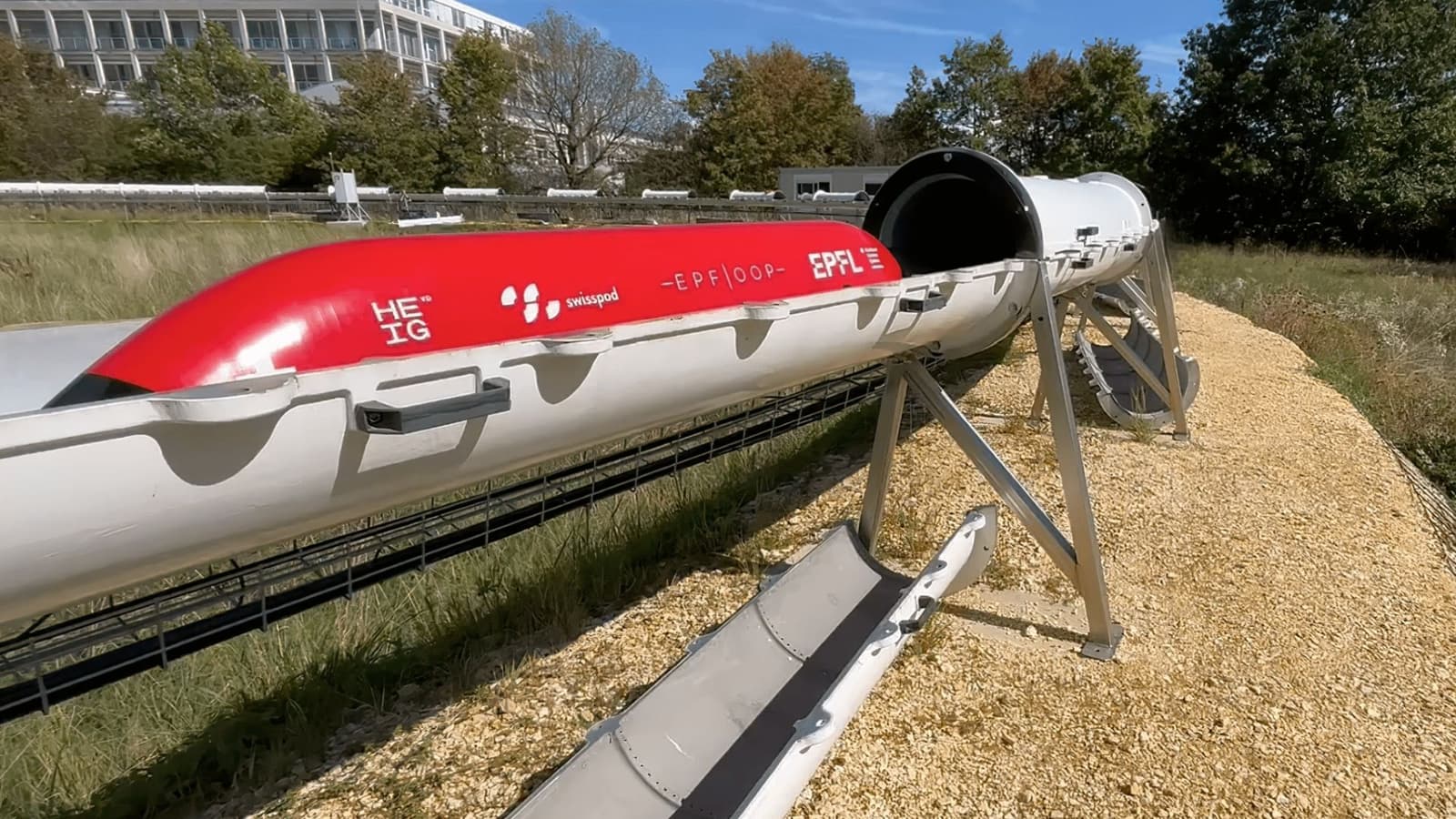
Elon Musk’s tunneling startup The Boring Company is working on a “simple precursor Hyperloop” that could transport passengers between Austin and San Antonio in under 30 minutes.
The billionaire shared the claim on X while responding to an AI-generated video depicting a science-fiction future.
The Boring Company subsequently reposted his statement, saying it “would be excited and honored to build this massive infrastructure project.”
A 30-minute link between Texas cities
Austin and San Antonio are two of Texas’ largest cities. A rapid connection between them could significantly shorten a journey that currently requires travelers to cover the distance by road or use existing transportation options.
The original Hyperloop concept envisioned passenger or cargo pods moving at extremely high speeds through low-pressure tubes. Reducing air resistance inside the tubes would allow the vehicles to travel faster and more efficiently than conventional trains.
However, Musk’s brief statement does not confirm whether the proposed Texas system would employ low-pressure tubes, specialized pods, or another technology developed by The Boring Company.
Boring Company signals its interest
TBC would be excited and honored to build this massive infrastructure project.
Because Loop/Hyperloop is express (i.e. no intermediate stops), one could travel from an Austin parking lot to a favorite San Antonio restaurant in ~30 min. As long as they both have Loop stations! https://t.co/pCiDdfwcsg
— The Boring Company (@boringcompany) September 20, 2026
The Boring Company publicly supported the proposal after Musk mentioned it.
Its statement suggests the tunneling startup wants is pursue the project, although neither the company nor Musk has announced a formal agreement with local or state authorities.
The company currently operates a transportation network in Las Vegas that combines underground tunnels with surface routes. Unlike the original Hyperloop idea, the Las Vegas system uses road vehicles to carry passengers through tunnels.
The operation provides The Boring Company with a working example of its tunnel-based transportation model. Still, an intercity connection covering the Austin–San Antonio corridor would represent a substantially larger and more complex undertaking.
The tunneling company also recently raised $3 billion in an investment round led by the United Arab Emirates. That funding could support its expansion, but the company has not said whether any portion will be directed toward the proposed Texas route.
Previous projects remain a concern
The announcement comes with a significant caveat. Several ambitious transportation systems The Boring Company previously promoted have not materialized.
Those proposals included tunnel networks in Chicago and Los Angeles, along with a connection between New York City and Washington, D.C. Their failure to progress beyond various stages of planning has raised questions about whether the latest idea will advance toward construction.
Musk introduced the Texas proposal while discussing a much broader vision of the future. After reposting an AI-generated video featuring human settlements beyond Earth, he wrote, “This is the future we shall bring into being.”
Critics have frequently argued that Musk’s technological ambitions draw heavily from science-fiction stories. Historian Jill Lepore previously said he appears to favor science fiction that “completely defeats and defies all of his political beliefs.”
For now, the Austin–San Antonio Hyperloop remains a public proposal rather than a confirmed infrastructure project. No government approval, funding commitment, engineering plan, or construction schedule has been announced.
Related articles

The Beats 360 are what I’d bring to the gym if I hated earbuds
Everyone has seen someone at the gym or running around their neighborhood wearing headphones that were never designed for workouts. Quite often those headphones are Beats.
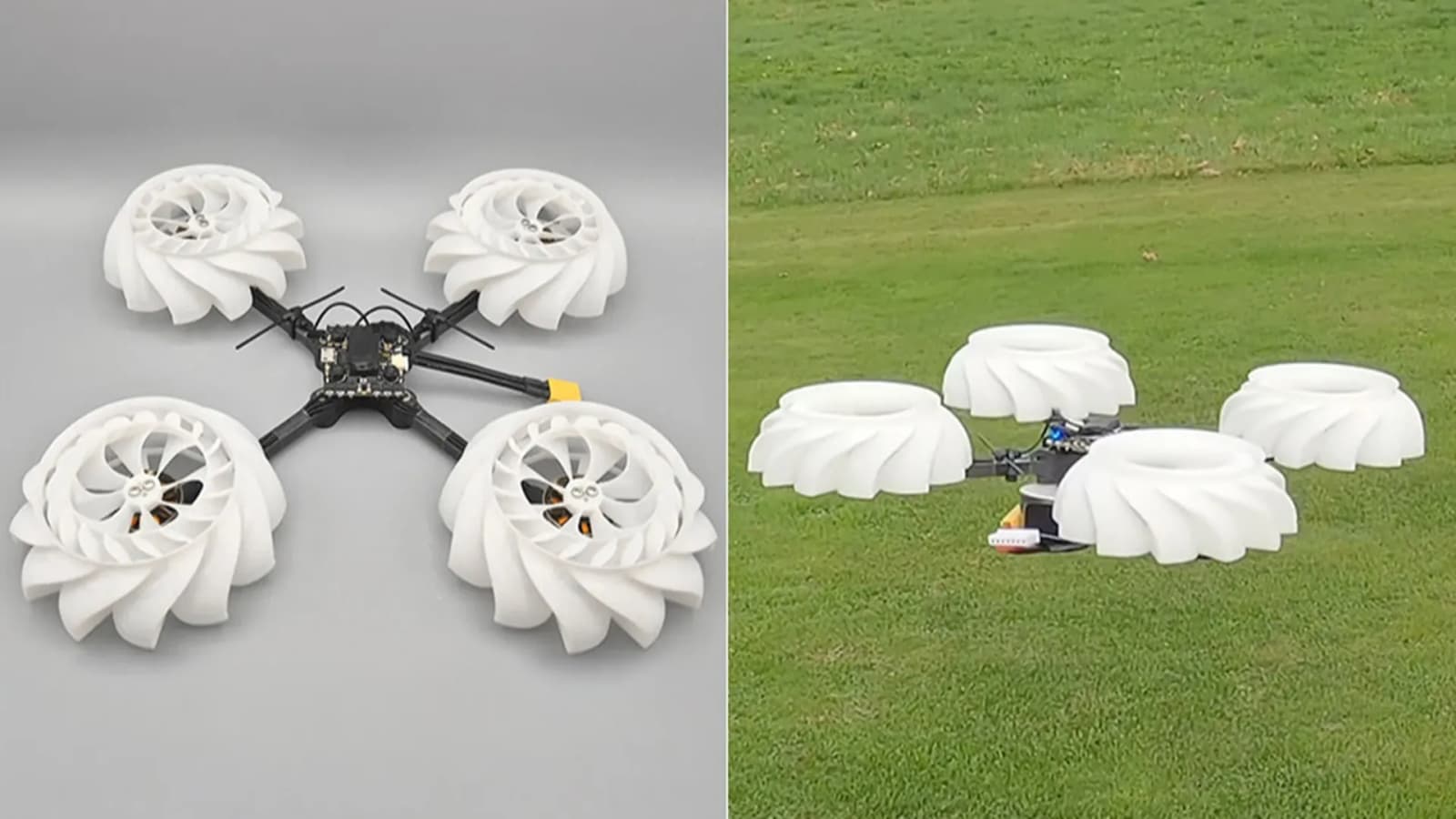
This quadcopter swaps propellers for 3D printed radial impellers and still flies
A drone builder known as QUADMOVR has swapped every propeller on a self-built quadcopter for...
US engineers 3D-print giant two-ton steel mold to make lighter aircraft doors
Inside a Tennessee laboratory, a robotic arm spent eight weeks 3D-printing a two-ton, six-foot-tall block...
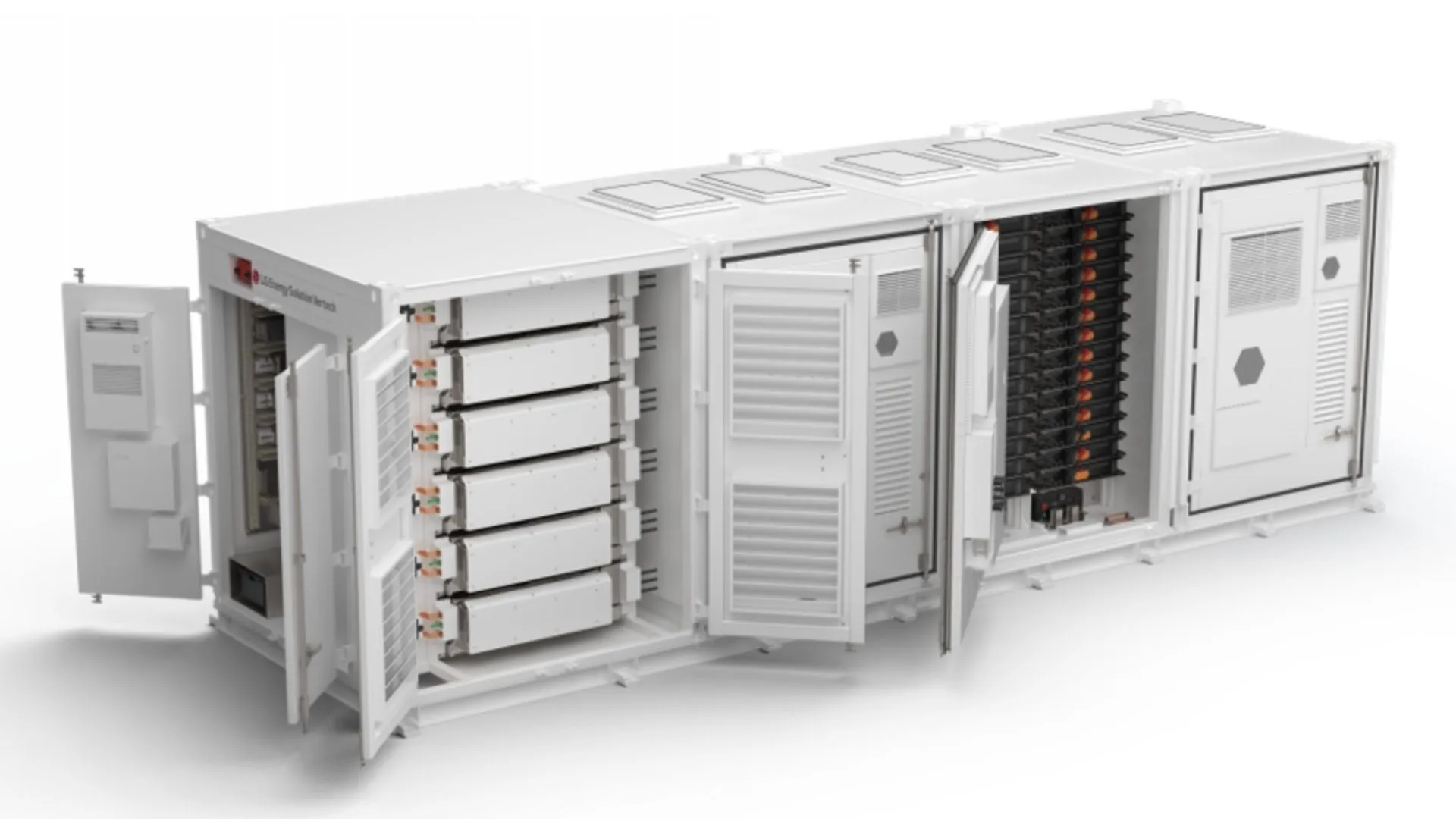
Nvidia approves LG’s 5.1-MWh battery storage system to power AI factories
LG Energy Solution has qualified its battery energy storage system under NVIDIA’s DSX Ready program,...
Kairos Power teams up with Samsung to build 50-megawatt nuclear reactor for Google
Kairos Power has chosen Samsung Construction and Trading to help build its 50-megawatt nuclear demonstration...

It’s time for the Mac Neo
The Mac Mini is a great little desktop computer, and back when it cost $599, it was easy to recommend to anyone who wanted something speedy, simple, and cheap.