
EOS partners with Dutch MinDef to develop 100-kW laser system to destroy drone swarms
The Netherlands is partnering with Australian defense technology company Electro Optic Systems (EOS) to develop...
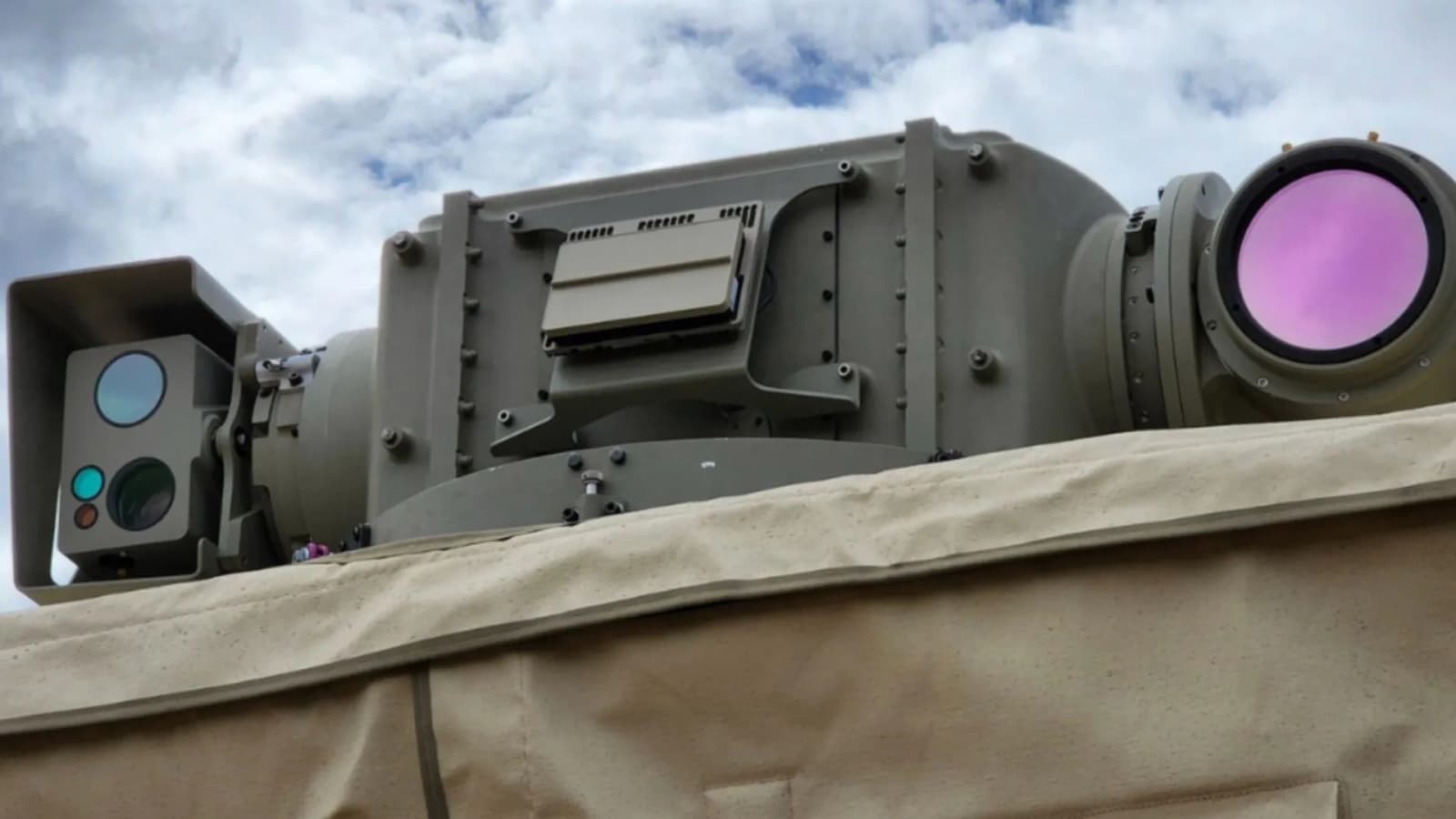
The Netherlands is partnering with Australian defense technology company Electro Optic Systems (EOS) to develop a high-energy laser weapon designed to destroy drones and counter large-scale aerial attacks.
The Dutch Ministry of Defence announced the partnership on September 24, following the signing of a Letter of Intent by State Secretary for Defence Derk Boswijk. The project aims to turn an existing laser prototype into a fully deployable military air defense system, with potential production in the Netherlands.
The development builds on an existing €71.4 million ($84 million) export contract between EOS and a European NATO member, which the company announced in 2025. The Dutch ministry has not disclosed how much it intends to spend on the new development program or how many systems it plans to acquire.
Laser designed to counter drone swarms
The weapon under development is based on EOS’ Apollo High Energy Laser Weapon System, a 100-kilowatt-class directed-energy system designed to engage unmanned aerial vehicles.
Unlike conventional air defense weapons, which launch missiles or projectiles at incoming targets, a high-energy laser concentrates light onto a small area of a target. The resulting heat can damage or destroy critical components, potentially causing a drone to ignite, lose control, or become unable to continue flying.
EOS says its Apollo system can engage between 20 and 50 drones per minute, depending on the operating conditions and target characteristics.
The system is designed to address a growing problem for military forces: the cost of defending against inexpensive drones that can be launched in large numbers. EOS CEO Andreas Schwer told ABC News Australia that a drone costing around $1,000 could require a missile costing hundreds of thousands of dollars to intercept.
A laser weapon could change that cost equation. Once deployed, the system does not require a separate missile or projectile for every engagement; instead, its operating capacity is constrained by electrical power, cooling, and other system limitations.
Netherlands explores local production
The Dutch program will focus on developing the laser into a complete military weapon system, rather than simply acquiring a prototype.
According to Beveiligings Nieuws , the Netherlands has already been working with EOS on the technology. The country’s defense project overview includes orders placed in 2025 and 2026 for a high-energy laser prototype and an additional low-cost counter-drone system.
EOS also reported completing a major design review for the Dutch 100-kilowatt laser system in May 2026. The latest agreement will examine whether a dedicated production facility can be established in the Netherlands, alongside a European-managed supply chain.
The Dutch government sees local manufacturing as a way to strengthen its domestic defense industry and reduce reliance on foreign suppliers. The ministry is also considering how to integrate laser weapons onto military vehicles, allowing them to protect troops and equipment while moving.
If the system completes development successfully, the Netherlands intends to purchase multiple laser units. The ministry has not yet specified the number or delivery schedule.
A new layer of European air defense
The laser program is intended to complement existing air defense systems, rather than replace conventional missiles and guns. High-energy lasers are particularly suited to engaging certain short-range aerial threats, including small drones and drone swarms. However, their effectiveness can depend on weather, visibility, line of sight, and the amount of time the beam can remain focused on a target.
The Dutch investment comes as European NATO members seek additional ways to defend against drone incursions and large-scale aerial attacks, including those observed during Russia’s war with Ukraine.
EOS has also attracted interest from other international defense customers. The company has reported inquiries from countries in Europe, the Middle East, and the Indo-Pacific regarding its directed-energy technology.
The immediate objective for the Netherlands is to move from prototype development to a deployable system, while exploring local manufacturing and integration with mobile air defense units.
Related articles

One company is at the center of a wave of rogue AI attacks
In July, OpenAI revealed that its AI agents had attacked Hugging Face without permission, sparking widespread concerns about AI safety.

Sony and UMG are suing Suno again
Sony and Universal Music Group filed yet another suit against Suno.

Cricut’s new compact crafter prints, cuts, and laminates stickers
Cricut announced its first crafting machines with printing capabilities that are primarily designed as all-in-one solutions for turning photos and other images into pre-cut stickers.
5W handheld quantum sensor tracks underground subway train, could help spot submarines
Researchers at China’s University of Science and Technology have shown that their handheld quantum magnetometer...

Touch-free brain-inspired sensor spots moisture from 0.04 inches away with 97% precision
An international team of researchers has developed a brain-inspired electronic device that can reportedly detect...

Nuclear fusion reactors’ magnet wire put to factory test with high-pulse lasers
A factory trial now underway in Japan could solve one of the biggest bottlenecks in...