
GEK800 engine reaches ignition milestone as turbofan program moves toward production
GE Aerospace has successfully ignited the GEK800 turbofan engine in a new test for a...
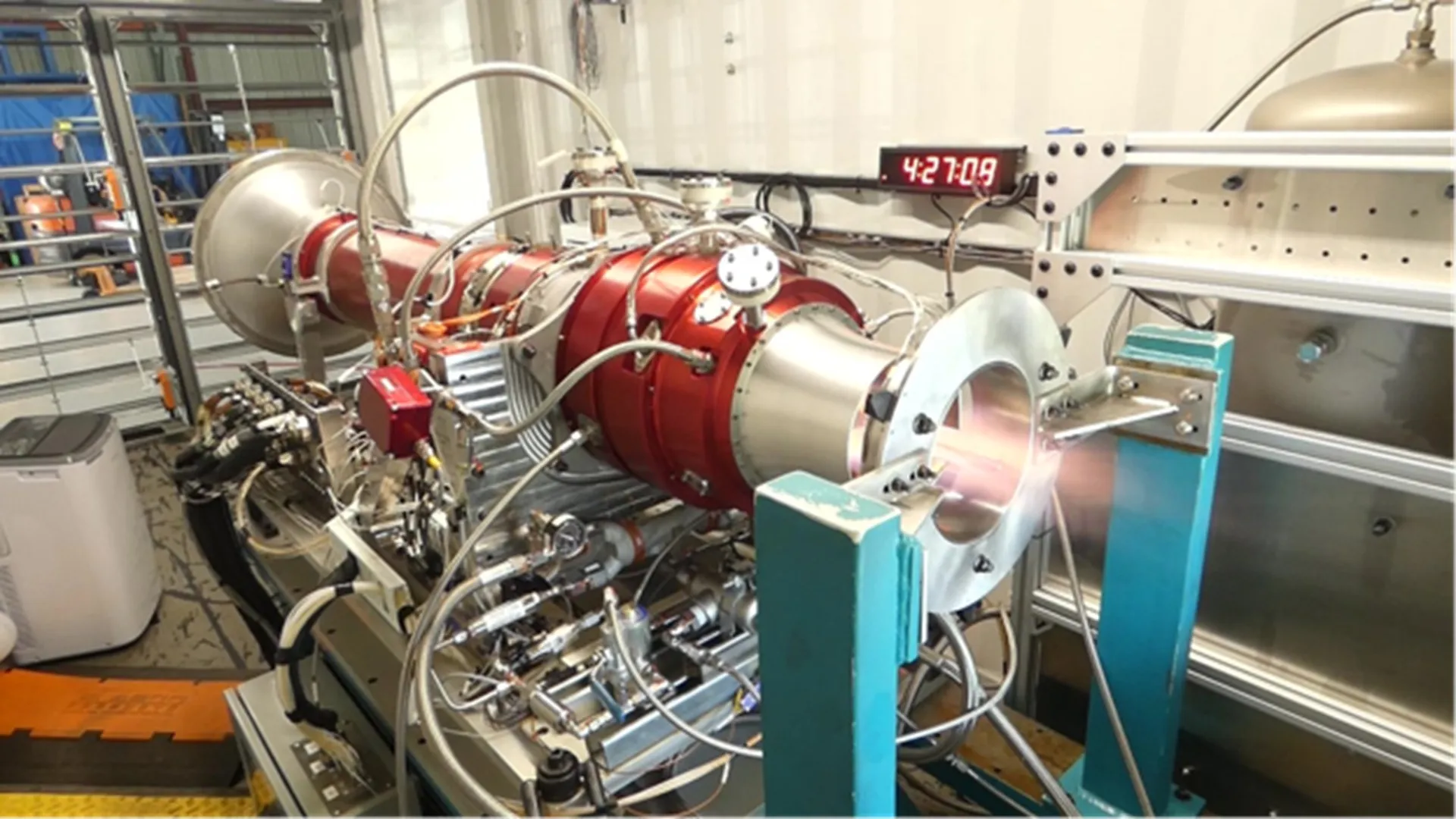
GE Aerospace has successfully ignited the GEK800 turbofan engine in a new test for a cruise missile propulsion system designed for long-range, stand-off strike missions.
The engine was tested at Kratos’ X-58 test facility. The GEK800 is jointly developed by GE Aerospace and Kratos Defense & Security Solutions, with the latest ignition marking the start of a new testing campaign. The milestone marks the start of another phase of ground testing as the two companies work toward production.
The engine has recently been designated the F143 and is being developed to meet requirements for long-range, stand-off strike capabilities. Kratos and GE Aerospace say the design combines high performance with manufacturing approaches intended to keep costs down.
The latest test moves the program into a new phase as the companies work to demonstrate the engine’s performance and durability before advancing toward production and integration with cruise missile systems.
Turbine testing moves forward
The companies did not disclose detailed test data from the ignition event. They said the successful test begins a new testing campaign for the GEK800, with further work focused on demonstrating the engine’s performance and durability.
“The combined Kratos, GE Aerospace, and Government test team has demonstrated exceptional focus, discipline, and schedule execution,” said Chris Rawlings, Vice President of Kratos’ Defense Engine Portfolio. “This team sets the benchmark for operational efficiency and provides a refreshing reminder that our nation can develop turbine engines affordably and at pace.”
The GEK800 is intended for cruise missile applications where propulsion must deliver the required performance while supporting rapid and lower-cost production. Kratos and GE Aerospace are using modern engineering and manufacturing processes as part of that approach.
“With this latest milestone, the GEK800 engine continues to demonstrate strong performance and durability,” said Jorge Perez, General Manager of Edison Works Advanced Combat Engines at GE Aerospace. “Our collaboration with Kratos is delivering a highly capable propulsion system designed to meet the demanding requirements of cruise missile applications.”
Engine targets affordable production
Kratos said the propulsion system is being developed for advanced cruise missile systems and attritable strike assets, where lower acquisition and lifecycle costs are important to procurement programs.
The successful ignitiondoes not mean the engine has completed development. Instead, it starts another round of testing intended to build confidence in the propulsion system before it moves toward larger-scale production and integration.
Stacey Rock, President of Kratos’ Turbine Technologies Division, said, “Kratos continues to achieve milestones and accelerate program schedules as we prepare for large volume production of our GEK800 engine to support advanced cruise missile systems.”
The companies say the GEK800 is designed to provide a practical propulsion option for defense prime contractors developingcruise missile systems for government programs. Its development also reflects a broader push to manufacture turbine engines faster and at lower cost while maintaining the performance required for demanding missions.
Kratos said it and GE Aerospace remain focused on preparing the GEK800 for large-volume production. The companies did not provide a production start date in the announcement, but said the latest test keeps the program on schedule.
The GEK800 is now moving into a new testing phase, with the successful ignition marking the latest step toward a production-ready propulsion systemfor cruise missile applications.
Source: https://interestingengineering.com/military/gek800-engine-ignition-cruise-missile-propulsion-testing
Related articles
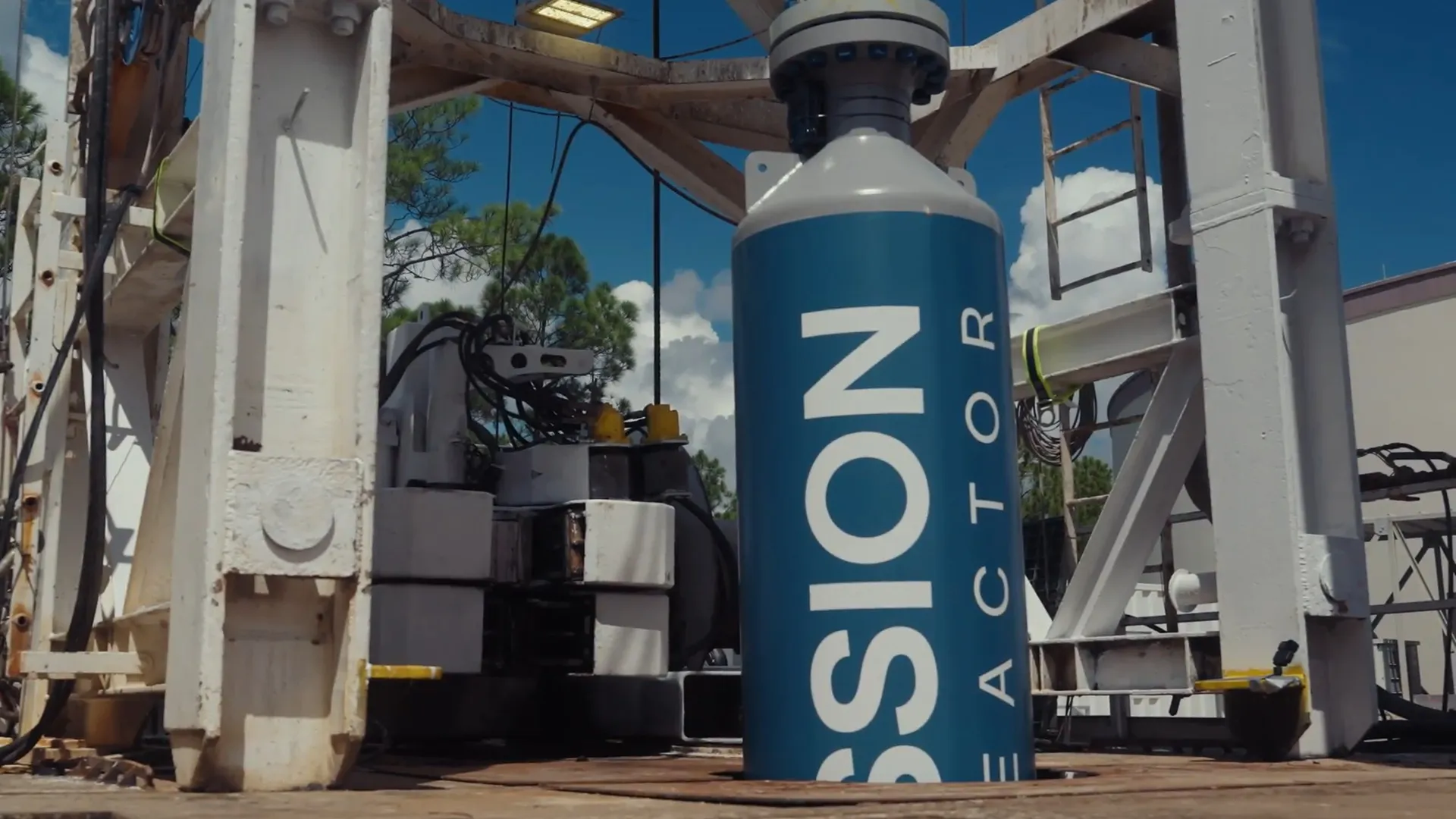
US nuclear startup taps large-bore drilling firm to advance 1-mile underground reactor project
A nuclear energy project aimed at placing small modular reactors about one mile underground is...

Higgsfield AI ships new video features in a day with GPT-6 Astra
With GPT-6 Astra, Higgsfield AI makes video ad creation easier for small businesses and brings new creative tools to market faster.

Flights grounded at JFK, LaGuardia, other US airports after air traffic system outage
The Federal Aviation Administration (FAA) has issued ground stops at several major airports in the...

US Army’s oldest test base gets 390MW molten salt nuclear plant fueled by U-235
The US Army’s oldest active proving ground and test base will reportedly receive a 390-megawatt...

Advisory Group on Mathematics and Artificial Intelligence
OpenAI is working with an independent Advisory Group on Mathematics and Artificial Intelligence to guide the review and communication of emerging AI results.

Expanding OpenAI Academy with new learning paths
Explore new OpenAI Academy learning paths for employees, developers, leaders, educators, and students to build and demonstrate practical AI skills.