
Mapped: U.S. States With the Highest Tax Burden in 2026
Hawaii's state and local tax burden is 13.3% of personal income, nearly triple Alaska's 4.9%. See where your state ranks in 2026.
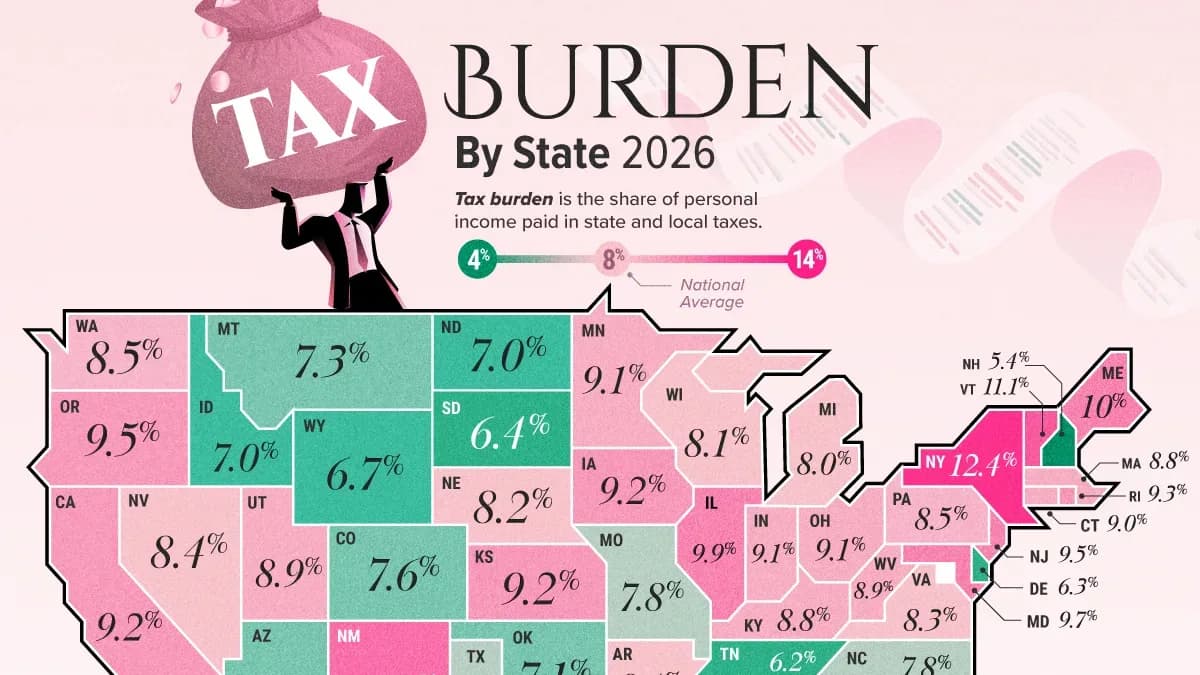
Which U.S. States Have the Highest Tax Burden?
Key Takeaways
Hawaii has the highest state and local tax burden in the U.S. at 13.3% of personal income, while Alaska has the lowest at 4.92%.
Only five states have tax burdens above 10%, with New York ranking second at 12.39%.
Neighboring Vermont (11.1%) and New Hampshire (5.38%) have dramatically different tax burdens.
Where Americans live can make a substantial difference in how much of their income goes toward state and local taxes.
This map compares tax burdens across all 50 states using 2026 figures from WalletHub. Total tax burden combines property, individual income, and sales and excise taxes as a share of personal income, excluding federal taxes.
Nationwide, the average tax burden is 8.43%, but states differ considerably in both how much they collect and which taxes account for the largest share.
Where Tax Burdens Are Highest and Lowest
The difference between the highest- and lowest-tax states is substantial: Hawaii’s tax burden is nearly three times Alaska’s, highlighting how differently states fund public services.
The Northeast accounts for half of the 10 highest tax burdens, while New Mexico stands out at 10.75%, among the highest outside the region.
The table below ranks all 50 states by their overall tax burden in 2026.
RankStateOverall Tax Burden in 2026 (%)
1Hawaii13.30
2New York12.39
3Vermont11.10
4New Mexico10.75
5Maine10.01
6Illinois9.92
7Maryland9.70
8New Jersey9.52
9Oregon9.46
10Rhode Island9.29
11California9.24
12Iowa9.21
13Kansas9.20
14Indiana9.12
15Minnesota9.08
16Ohio9.05
17Connecticut9.00
18West Virginia8.89
19Utah8.87
20Mississippi8.84
21Louisiana8.82
22Massachusetts8.82
23Kentucky8.76
24Pennsylvania8.47
25Washington8.47
26Arkansas8.44
27Nevada8.37
28Virginia8.26
29Nebraska8.16
30Georgia8.15
31Wisconsin8.12
32Michigan7.98
33Alabama7.93
34Missouri7.84
35North Carolina7.81
36Texas7.69
37Colorado7.56
38South Carolina7.49
39Montana7.29
40Arizona7.24
41Oklahoma7.05
42Idaho7.04
43North Dakota7.02
44Wyoming6.70
45South Dakota6.38
46Delaware6.28
47Florida6.27
48Tennessee6.21
49New Hampshire5.38
50Alaska4.92
-- National Average8.43
Beyond the highest and lowest rankings, the map reveals striking regional contrasts.
On the West Coast, income taxes contribute the largest share of Oregon’s burden, while Washington relies more heavily on sales and excise taxes.
Hawaii’s Steep Tax Bill
Hawaii’s position at the top of the ranking is driven largely by consumption-related taxes, which account for more than half of its total burden.
Unlike a conventional retail sales tax, Hawaii’s broad general excise tax applies to business receipts from goods, services, construction, and rent, not just profits.
Wholesalers and retailers can both owe the tax, meaning a product can generate tax revenue at multiple stages before reaching the final buyer.
Renters can encounter it as well. Landlords owe general excise tax on rental receipts and may pass that cost on to tenants. The tax therefore affects both everyday purchases and housing payments.
Alaska’s Resource Wealth Helps Pay the Bills
Alaska levies neither a personal income tax nor a statewide sales tax, although municipalities can collect local taxes. The state also benefits from an unusual funding source: an investment fund built largely from oil and gas revenues.
The Alaska Permanent Fund invests a share of the state’s mineral revenue, turning finite natural resources into a source of ongoing investment income.
In fiscal 2026, approximately $3.8 billion was transferred from the Permanent Fund to support Alaska’s state budget.
This gives Alaska a funding advantage that most states lack: investment earnings from decades of resource production help finance public services without relying as heavily on taxes paid by residents. The state also distributes annual Permanent Fund dividends to eligible Alaskans.
Learn More on the Voronoi App
To explore how taxes vary for the highest earners, check out What the Top 1% Richest Americans Pay in Taxes Across the U.S. on Voronoi.
Related articles

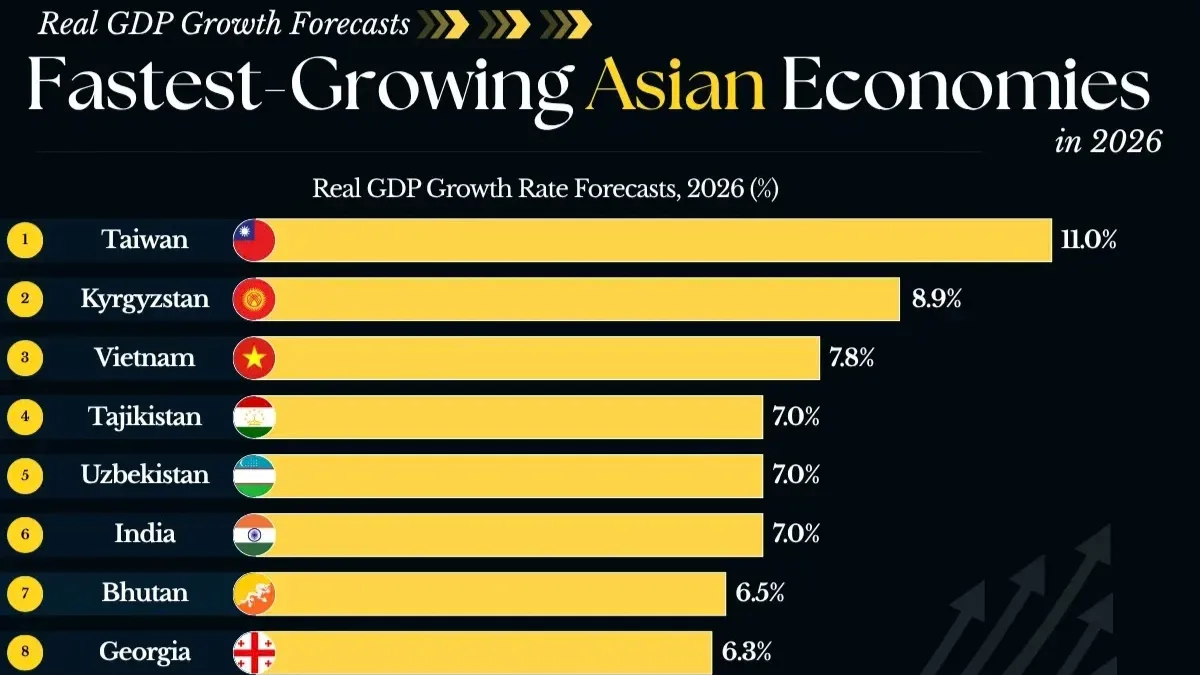
Ranked: The Fastest-Growing Asian Economies in 2026
Taiwan leads Asia’s fastest-growing economies in 2026, fueled by booming AI and semiconductor demand.
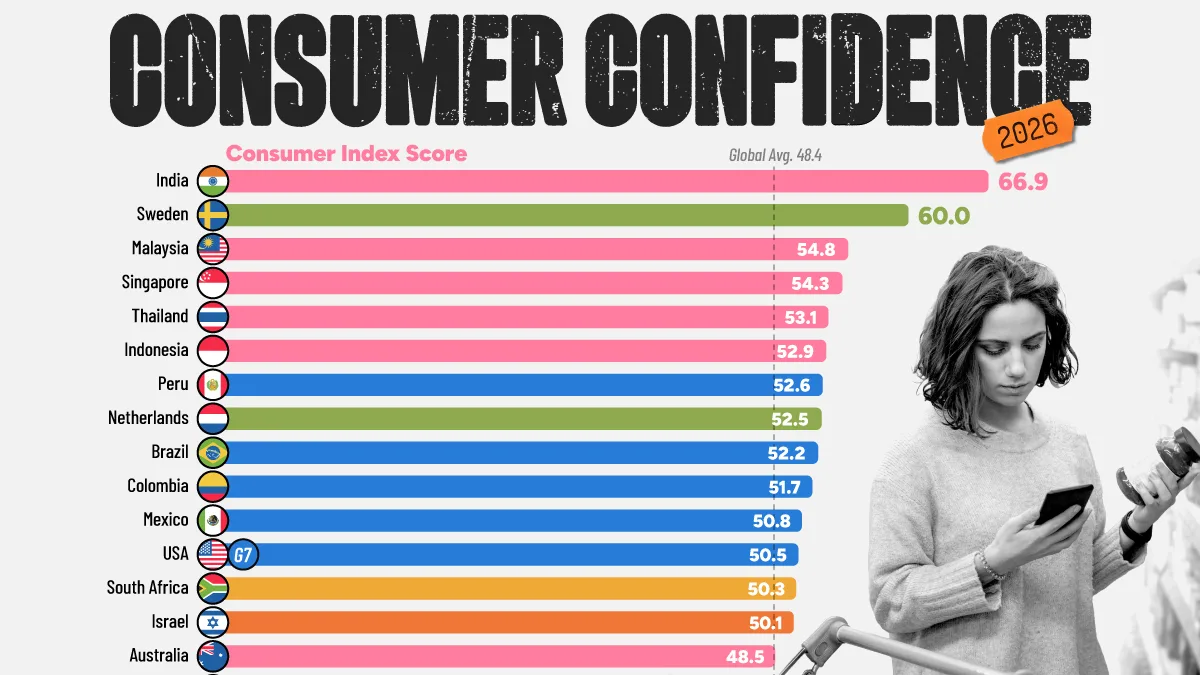
Ranked: Countries With the Highest Consumer Confidence
Californians and New Yorkers may face high taxes, but residents of one state can expect to pay over $100,000 more over their lifetimes.
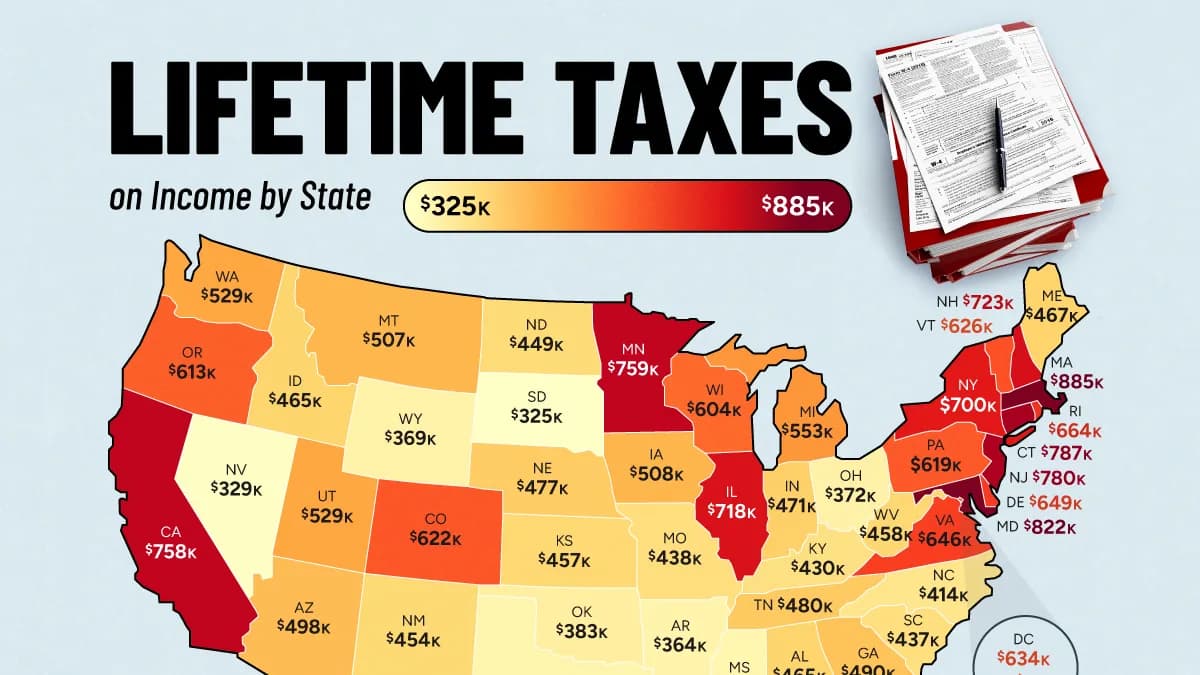
How Much You’ll Pay in Lifetime Income Taxes, by State
Californians and New Yorkers may face high taxes, but residents of one state can expect to pay over $100,000 more over their lifetimes.
Ranked: The World’s Richest Countries (2006-2026)
European microstates are among the wealthiest countries worldwide. They face new competition from an emerging petrostate.
Mapped: U.S. States With the Fastest GDP Growth in 2026
U.S. GDP growth topped 2% in the second quarter. New data reveals which states grew much faster and which ones fell behind.