
Smart EV battery design could extend lifespan over 20% by bypassing weak cells
A new electric vehicle battery design could extend battery lifespan by more than 20 percent...
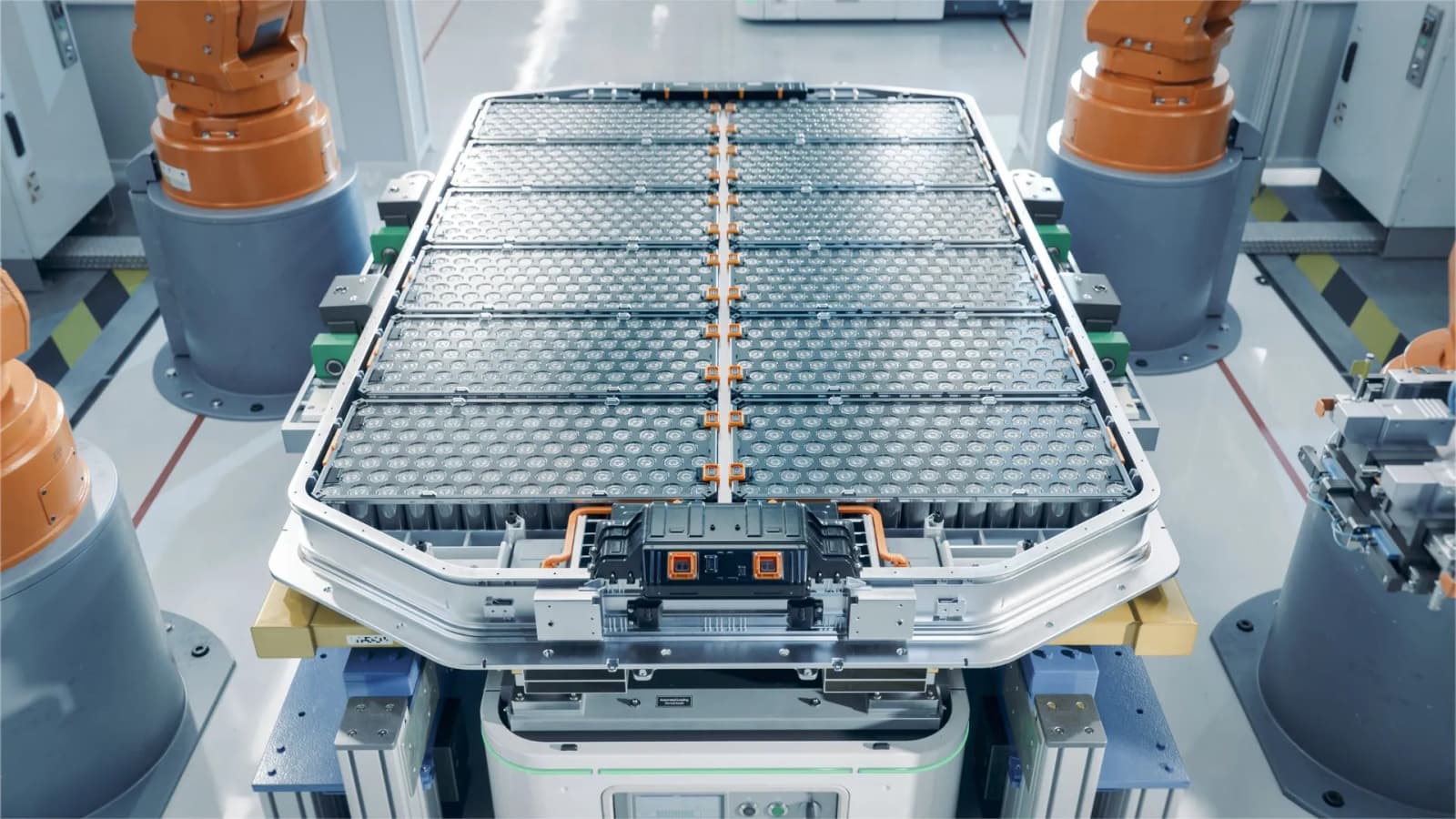
A new electric vehicle battery design could extend battery lifespan by more than 20 percent by allowing current to bypass aging cells instead of letting them limit the entire pack, according to researchers in Sweden.
The architecture uses electronic switches and control systems to change how battery cells are connected during operation. Researchers at Chalmers University of Technology found that the approach could significantly improve battery life in high-voltage vehicles, including electric trucks and long-range passenger cars.
In a modeled example involving an 80-kilowatt-hour battery, the system delayed battery replacement by approximately 14 months. The researchers also found that longer service life and higher residual value could offset the additional cost of the electronics.
The findings are based on computer simulations rather than long-term testing in production vehicles. The researchers said the largest lifespan improvement represents a theoretical upper limit under optimal conditions.
Bypassing cells preserves capacity
Conventional EV batteries contain numerous interconnected cells that gradually lose capacity as they age. Because cells degrade at different rates, one weakened cell can restrict the usable capacity of an entire battery pack.
The proposed architecture addresses this limitation by allowing switches to disconnect weaker cells while keeping healthier ones operating.
Instead of relying on fixed electrical connections, the battery management system can adjust how cells are connected as their condition changes.
“With the solution in our study, the battery can instead bypass the cell that is causing problems and continue forward,” said Albert Škegro, a doctoral student at Chalmers and the study’s first author.
The researchers used experimentally validated battery models and large-scale simulations to examine different cell chemistries, pack configurations, operating conditions and aging patterns. Each scenario included 1,000 Monte Carlo simulations to account for variations between cells.
Their analysis also considered 20 representative EV models from 15 manufacturers. The potential lifespan improvement generally increased with battery voltage, making the approach particularly promising for vehicles with many cells connected in series.
However, the largest gains require individual control of every cell. Commercial designs would more likely control groups of cells to reduce hardware complexity and cost.
Longer life offsets costs
The researchers also examined whether the additional electronics could be economically justified.
In one scenario, they modeled an 80-kWh battery in a vehicle driven 7,456 miles annually. A conventional battery reached its assumed replacement point after 10 years, while the reconfigurable design extended that period by roughly 14 months.
The analysis identified favorable economic conditions for packs larger than approximately 50 kWh, annual driving distances below 7,550 miles, and additional upfront costs under 7.16 percent.
The technology could also reduce the need to closely match battery cells during manufacturing, since the pack would be better able to accommodate differences in cell performance.
Researchers said the approach might allow more retired EV batteries to be reused for stationary energy storage.
The technology has undergone research and industrial prototype testing but is not yet available in mass-produced vehicles. Long-term vehicle testing is still needed to establish whether the modeled lifespan and cost benefits can be achieved in practice.
The study, conducted with industry collaborators including Scania and PHINIA, was published in Nature Communications.
Source: https://interestingengineering.com/energy/smart-ev-battery-bypasses-weak-cells
Related articles
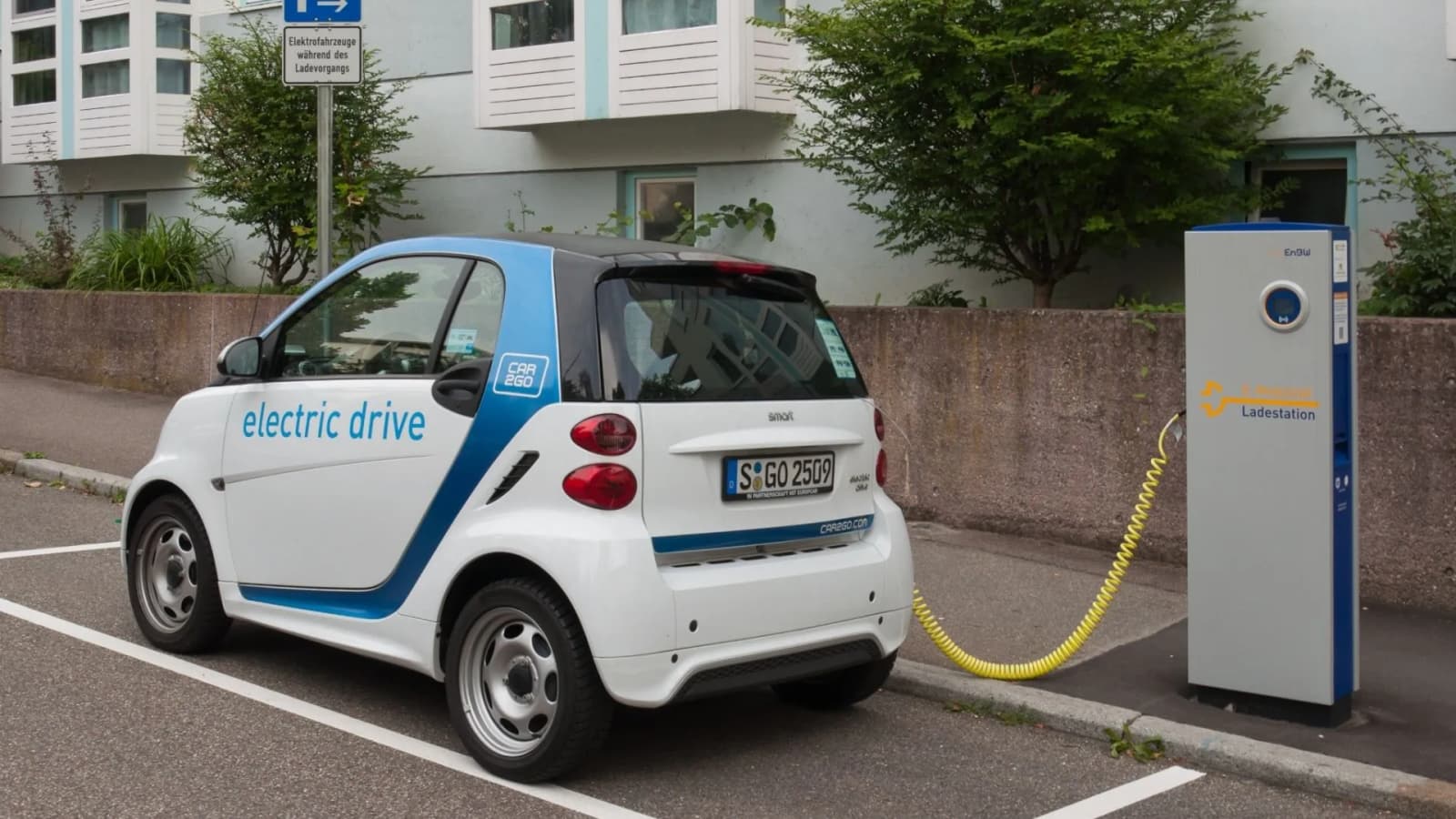
72 real-world BMW trips suggest regenerative braking can spare EV battery range
Keeping an electric car warm draws on the same battery that powers its wheels. Researchers...

BMW’s iX4 SUV is a 428-mile defensive weapon against China’s EV takeover
While much of the automotive world sits dumbfounded as China gobbles up all its customers, BMW continues to roll out extremely well-crafted, technologically advanced electric vehicles that impress in…
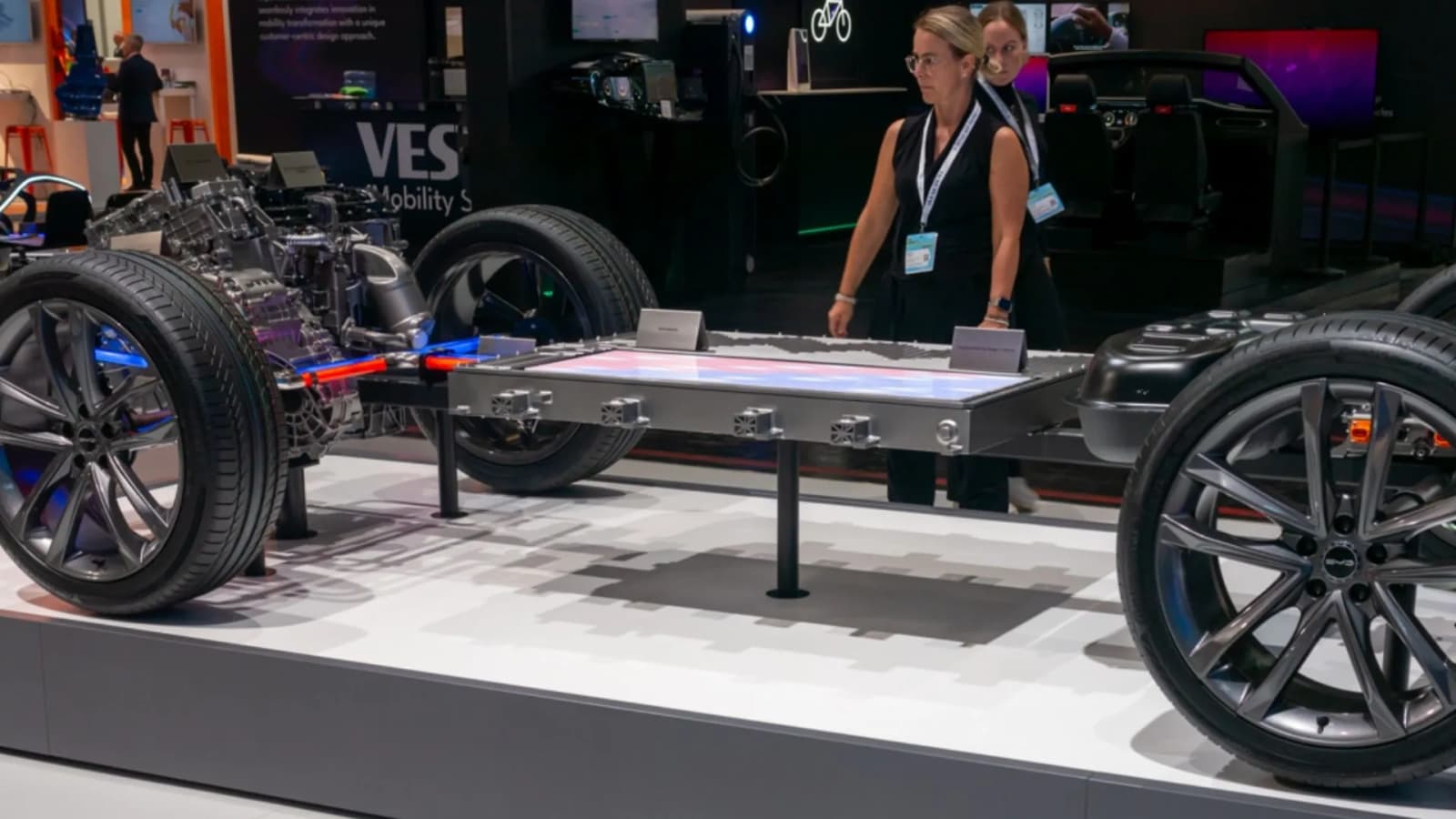
Chinese automaker files dual-chamber battery design that submerges cells in cooling liquid
Cooling battery cells directly in liquid creates an engineering challenge: keeping that liquid away from...

Samsung Wallet now unlocks some GM cars
Users of some Samsung devices in the US and Canada can now lock, unlock, and start select GM vehicles using a digital key stored in their Samsung Wallet.

Jaguar’s first EV looks just like its divisive concept car
The Type 01, Jaguar's most important and divisive car in years, has arrived.

Modular tire design aims to cut waste and monitor road conditions with built-in sensors
Researchers at Universidad Carlos III de Madrid (UC3M) have designed and tested a modular tire...