
Modular tire design aims to cut waste and monitor road conditions with built-in sensors
Researchers at Universidad Carlos III de Madrid (UC3M) have designed and tested a modular tire...
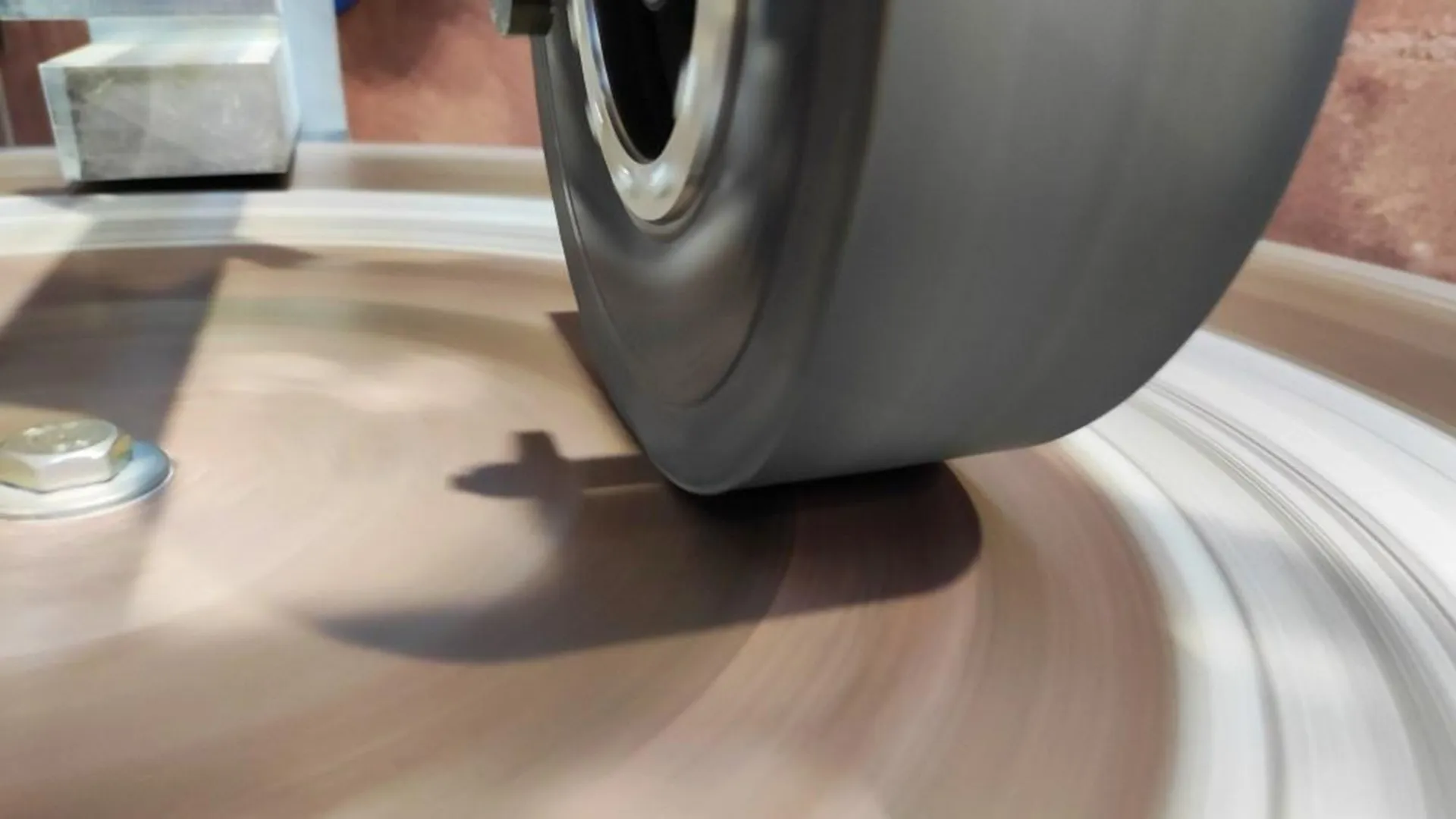
Researchers at Universidad Carlos III de Madrid (UC3M) have designed and tested a modular tire with a removable silicone tread meant to last longer and generate less waste. The work is part of the university’s ECOTIRE project.
The tire’s basic design has barely changed in decades, even though it is the vehicle’s only point of contact with the road. Once a tire wears out, its casing often remains structurally intact, yet millions of tons of these casings become hard-to-manage waste.
Swapping only the tread
The team’s answer is to replace the traditional chemical bond between tread and casing with a strictly mechanical one. The design keeps the casing and replaces only the tread when it degrades, a part that accounts for less than 20% of the tire’s total weight. Replacing a part that light, rather than the entire tire, is what keeps the heavier casing out of the waste stream.
A mechanical bond also opens the door to more sustainable andbiocompatible tread materials, said researcher Daniel García-Pozuelo of the university’s Department of Mechanical Engineering. A conventional tire, he noted, releases highly harmful particles into the atmosphere as it wears.
Silicone wears far less
A study in the journal Applied Sciences compared the wear and friction behavior of conventional tire rubber with silicone rubber. Silicone showed about 10 times less deterioration and greater stability. The wear study is titled “Analysis of Wear Behavior Between Tire Rubber and Silicone Rubber.”
Experimental testing with the physical prototype has produced promising results. In a complementary study in the journal Measurement, the team evaluated system integrity on a rolling test rig. The rig let them independently control normal load, radius, slip angle, slip ratio and inflation pressure. The Measurement paper is titled “Measurement of rolling stability and slip angle effects on a modular ECOTIRE.”
Toward smarter connected tires
Beyond materials, the project aims to turn the tire into an active vehicle component by integrating sensors. The instrumentation measures forces transmitted to the road, contact pressure, slip angle and the available friction coefficient in real time. Slip angle is the difference between the direction a tire points and the direction it travels, and slip ratio compares wheel speed with vehicle speed. The available friction coefficient indicates how much grip remains before the tire slides.
That data can flow to advanced driver assistance systems or an autonomous vehicle’s central computer, warning of imminent hazards such as aquaplaning or ice patches. Systems such as ABS or stability control could then intervene before the driver perceives the danger.
“The behavior of our tire is already similar enough to that of conventional tires,” García-Pozuelo said. He added that the team is close to transferring the technology to industry with sector partners, though a long road remains before it reaches society. The results so far consolidate the project’s roadmap toward full-scale testing and faster technology transfer to the automotive industry.
Related articles

Samsung Wallet now unlocks some GM cars
Users of some Samsung devices in the US and Canada can now lock, unlock, and start select GM vehicles using a digital key stored in their Samsung Wallet.

Jaguar’s first EV looks just like its divisive concept car
The Type 01, Jaguar's most important and divisive car in years, has arrived.

Tesla’s Model 3 and Model Y can be a backup battery for your house
Some Tesla Model 3 and Model Y owners can use their EV battery to keep the lights on longer during a power outage, now that Tesla's expanding the Powershare Home Backup feature.

Hyundai CEO says only a ‘level playing field’ can minimize damage from China
There's been a lot of doom and gloom from the auto industry lately when the subject of China comes up.
Toyota’s $50M US battery center targets EVs, hybrids and longer-lasting batteries
Toyota has opened a nearly $50 million battery research center in Michigan that will test...

Rivian’s sales pop as the company’s big R2 bet starts to pay off
Rivian had high hopes for its more affordable R2 vehicle - and so far, those hopes appear to be paying off.