
New 3D-printed gas turbine injector can burn hydrogen, kerosene and e-fuels
A new 3D-printed injection system created by scientists in Germany could allow compact gas turbines...
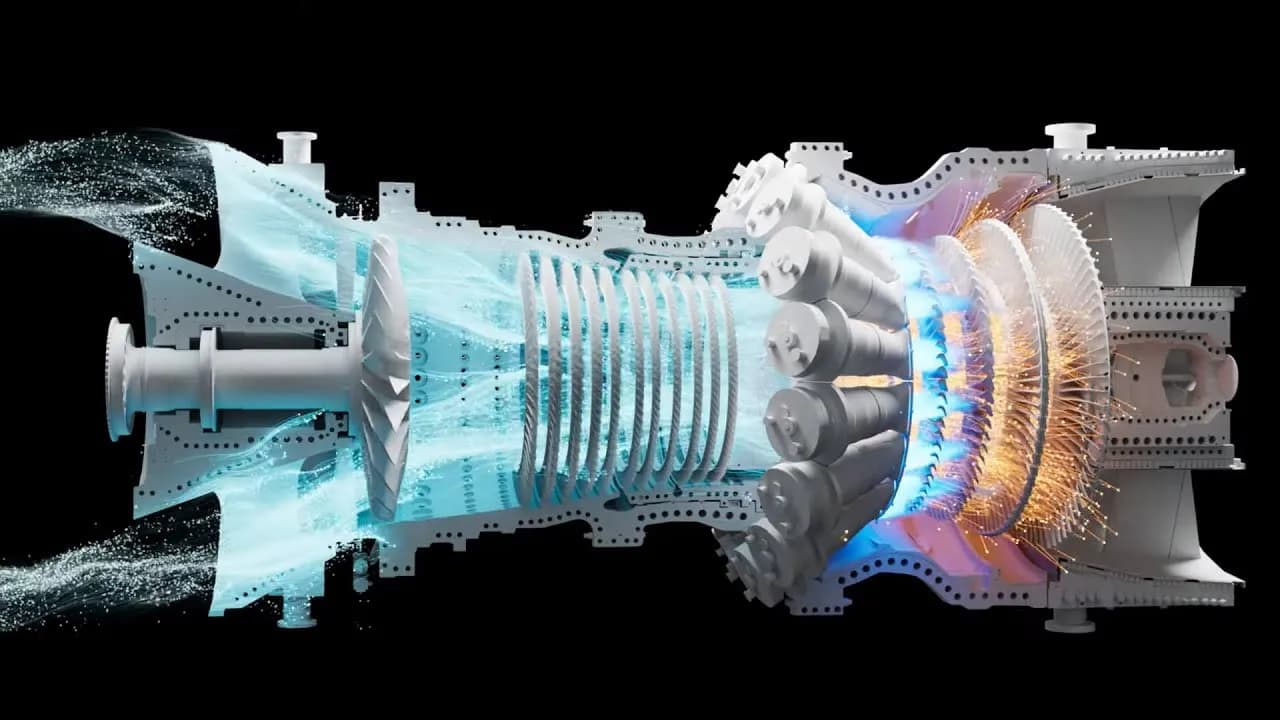
A new 3D-printed injection system created by scientists in Germany could allow compact gas turbines to cleanly burn a wide range of fuels, including hydrogen, kerosene, methanol, natural gas, and other e-fuels.
The so-called injection nozzle was built by Fabian Hampp, PhD, a junior research group leader at the University of Stuttgart’s Institute of Combustion Technology for Aerospace Engineering (IVLR), and his team. The system can handle different fuels while limiting emissions and manufacturing costs.
To create the gas turbine injector, the team utilized additive manufacturing (or 3D printing). Hampp revealed that the team plans to turn the laboratory-tested tech, which is compatible with fuels with different physical properties, into a prototype and put it through real-world testing.
“It is no longer unusual to use additive manufacturing to construct gas turbines,” Hampp said. “However, this has generally not been the case for one of the most important components, the injection systems that spray fuel into the combustion chamber.”
Built for different fuels
Gas turbines can act as fast-responding backup generators (peaker plants) which stabilize the grid when solar and wind generation drops. However, reducing their carbon footprint could require replacing natural gas with hydrogen, methanol, or other e-fuels.
That is a huge challenge, as hydrogen, natural gas, and relatively viscous kerosene behave very differently. These differences make it difficult for a single injector to achieve the fuel-air mixing needed for clean combustion.
To address the challenge, the team adapted an injection principle used in aircraft turbines for the new injector. The technology can also tackle soot and nitrogen oxide emissions, which form when fuel and air are not mixed sufficiently.
Injection systems therefore need to create a very fine fuel mist and distribute it evenly through the combustion chamber. “However, the special design of our nozzles makes it possible to cleanly burn a wide range of fuels,” Hampp noted.
Fixing rough surfaces
According to the researchers, manufacturing small injection systems using additive manufacturing has historically been difficult because metal 3D printing does not create perfectly smooth surfaces. In laser powder bed fusion (LPBF), a 3D printing method, a laser selectively melts layers of metal powder to form complex internal passages and cavities.
The rough surfaces can cause problems when precise amounts of fuel must pass through tiny openings as a fine mist. “The problem is that the surfaces of these printed structures are never completely smooth,” Hans-Christian Möhring, PhD, the director of the university’s Institute for Machine Tools, said in a statement.
The new system can work even with these imperfections. Möhring explained that this showed the team that very clean combustion was possible in the lab. Additive manufacturing could also lower production costs.
Burners and combustion chambers are already commonly manufactured with the technology, meaning the injection system could potentially be integrated directly into those components. The technology could eventually be used to retrofit older gas turbines. This would enable already existing equipment to operate with different energy sources.
The researchers now plan to optimize the additive manufacturing process and nozzle geometry before building a prototype. They also intend to test it with different fuels under real-world conditions.
Source: https://interestingengineering.com/energy/3d-printed-gas-turbine-injector-burn-hydrogen
Related articles
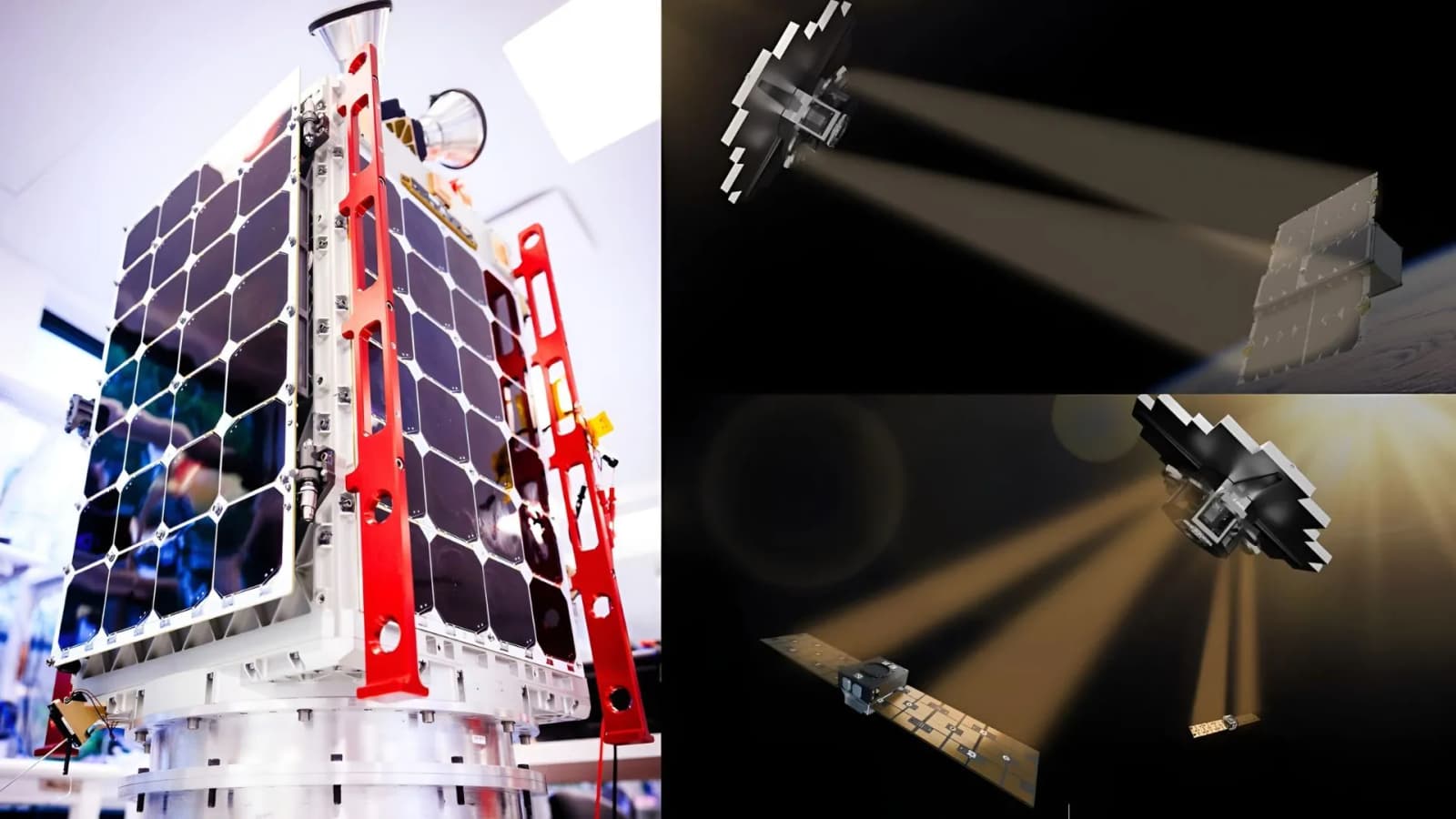
New prototype to test world’s first wireless power transfer between two spacecraft
Star Catcher Industries is preparing its Protostar spacecraft for a power-beaming test that could reshape...

AMD is acquiring AI company World Labs in a deal worth more than $8 billion
AMD announced today that it's acquiring World Labs, an AI research lab co-founded by the prominent researcher Dr. Fei-Fei Li, in an all-stock deal worth approximately $8.2 billion.



OpenAI’s AI agents need to catch up
OpenAI popularized the modern generative AI chatbot, but as its 2026 DevDay event approaches, it's fallen behind in one of the industry's hottest categories: continuously running, consumer-facing AI…

Bose starts adding Auracast to its headphones
A new firmware update for the $449 Bose QuietComfort Ultra Headphones Gen 2 adds support for Bluetooth LE Audio and Auracast as beta features.