New biodegradable mirrors made from plant-based pectin and cellulose unveiled
The fact that organisms can create materials that manipulate light, such as iridescent butterfly wings...
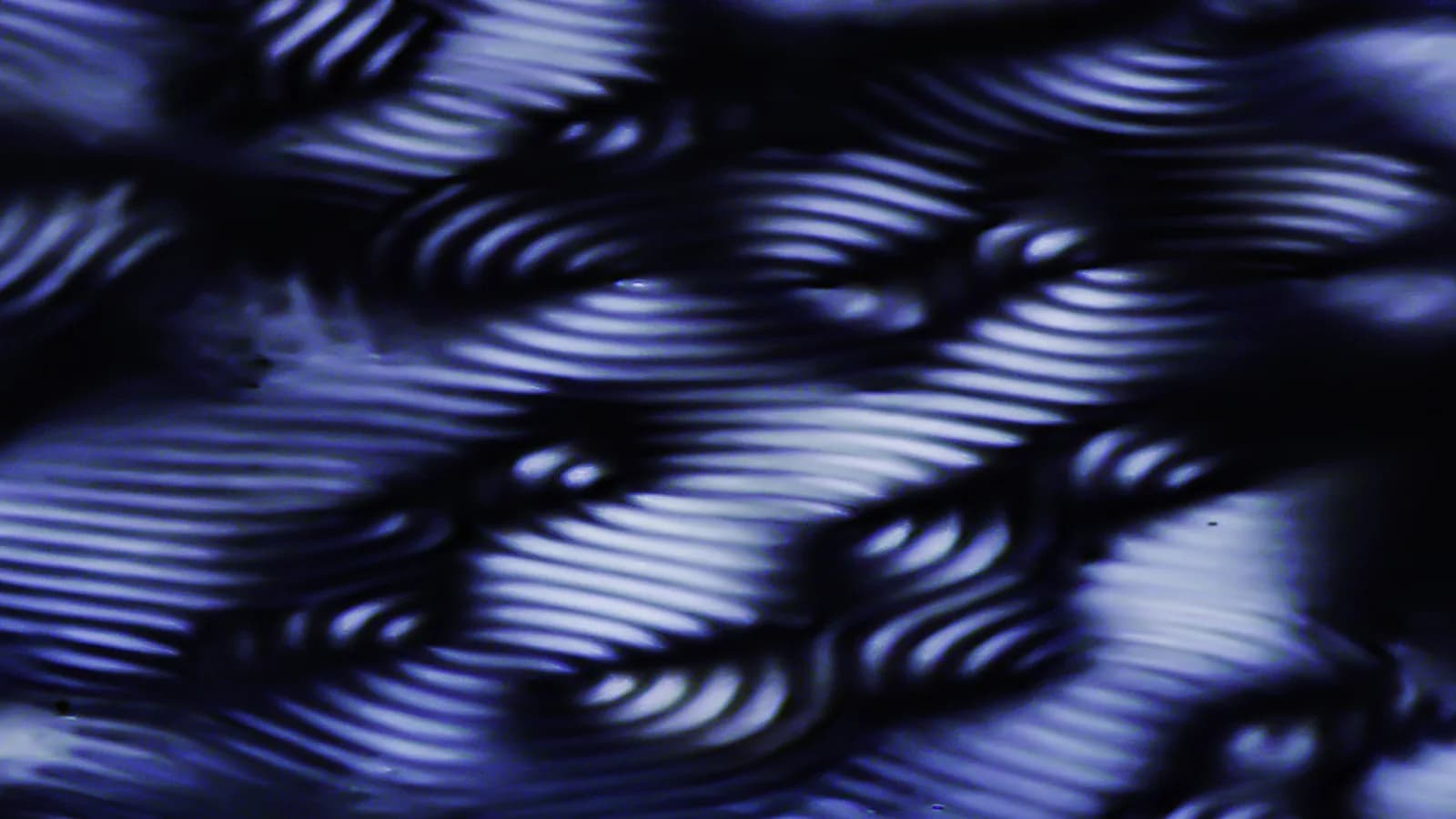
The fact that organisms can create materials that manipulate light, such as iridescent butterfly wings or mother-of-pearl, has been known for years. For scientists at Osaka University, the task was no longer recreating these natural optical phenomena, but developing sustainable and non-toxic alternatives with the commercial reflectance needed for high-end products from common plant material.
Their research, published in the journal Advanced Materials, describes a manufacturing method combining the gelling agent pectin, extracted from fruit and commonly used as a thickener in food, with nanoscale cellulose fibers obtained from the cell walls of plants.
Earlier work to build synthetic reflective coatings involved using derivatives of petroleum and minerals extracted from the earth as base materials. While advances had been made in using naturally grown materials such as liquid crystals, these compounds did not contain the structures that allowed precise control of light. Natural composites possessed low refractive differences, and standard processing methods like drying destroyed internal architecture.
Engineering xerogel layers through electrodeposition
To prevent structural collapse, lead author Takaaki Kasuga, senior author Masaya Nogi, and their team from Osaka designed a processing method employing xerogels – a term used to describe gels dried without shrinkage-creating solid and ultra-porous networks for optical clarity.
Scientists deposited 100 alternating layers of pectin and cellulose nanofibers using an electrodeposition process. The interaction of the natural biopolymers with the electrical field created a laminate of alternating dense and heavily porous bands with contrasting optical characteristics.
“These alternating layers had very different optical characteristics, and the contrast between the two led to extreme reflectivity in the finished product,” said Nogi.
Optical testing confirmed that the composite material achieved more than 95 percent reflectance across multiple wavelengths of light, covering both visible and non-visible spectra. In comparison, biological reflectors like the iridescent shell of the jewel beetle reflect only 30 percent of light.
Biodegradability and thermal management
The plant-based film resolves environmental challenges faced by traditional reflective coatings and electronics. By altering the chemical formulation of the polymer matrix, researchers found the naturally sourced layers could biodegrade by up to 80 percent in just two months, complying with international industrial benchmarks.
The optical flexibility of the material unlocks instant use cases where it functions effectively as an energy-efficient glazing for windows. The film reflects near-infrared thermal radiation while remaining fully transparent across the visible light spectrum. The glass acts as a heat shield, reflecting the sun’s thermal rays to keep rooms cool during warm periods. The material can also be utilized for sustainable decorative displays, optical sensors, and anti-counterfeiting technologies.
Get the latest news delivered to your inbox.
Related articles