
New counter-drone weapon uses 4D radar to track threats over 800 meters while moving
EOS Defense Systems USA is developing a new Slinger counter-drone system with upgraded sensors and...
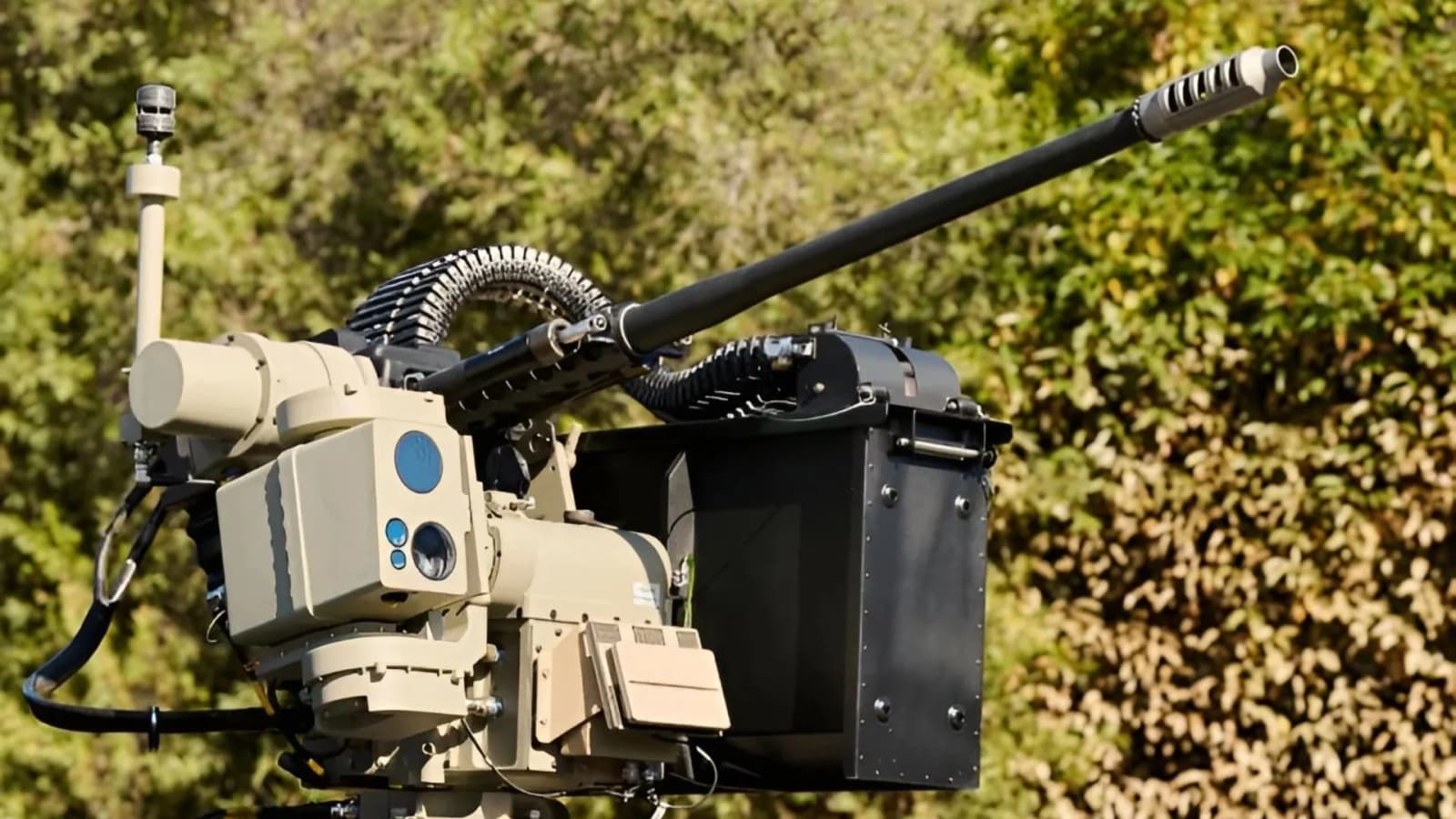
EOS Defense Systems USA is developing a new Slinger counter-drone system with upgraded sensors and selectable autonomy. The system combines a 30mm cannon, targeting radar, and advanced stabilization in one weapon station.
The next-generation Slinger is nearing the end of development. EOS plans to begin U.S. production in Huntsville, Alabama, in 2027.
The upgrade targets a growing technical challenge for air defenses. Small drones can maneuver quickly and force operators to make engagement decisions within seconds.
Smarter sensor package
Slinger uses an Echodyne 4D targeting radar to detect and track moving threats. The radar uses a compact design that keeps its size, weight, and power requirements low.
A four-axis sighting system adds another layer of precision. Its sensor unit can move independently from the cannon in elevation and azimuth.
Separating the sensor from the gun also gives the system greater flexibility during an engagement. The sight can continue tracking a target as the weapon prepares to engage.
Slinger weighs less than 882 pounds and carries a Bushmaster M230LF 30mm cannon. It uses 30 x 113mm ammunition for counter-drone and ground-target engagements.
The system can fire a 30mm proximity-sensing high-explosive fragmentation round. The round can engage a drone without requiring a direct hit.
That ammunition is particularly relevant against small aerial targets. A proximity effect can improve the chances of damaging a drone near the intended aim point.
Autonomy cuts reaction time
Selectable autonomy represents one of the main changes in the new Slinger. Operators can decide how much of the engagement process the system handles automatically. That capability becomes useful when several threats appear in quick succession. Software can help manage the engagement process while operators retain authority over the system.
The approach also gives military units more flexibility during different types of missions. Operators can adjust the system’s behavior based on the threat and operational situation.
Slinger also maintains its ability to engage targets while moving. Its stabilization system keeps the weapon aligned despite vehicle movement. The system can track and engage moving drones beyond 800 meters, according to EOS. It can also work independently or operate as part of a larger network.
Networking adds another layer to the system’s role on the battlefield. Slinger can potentially receive or share targeting information with other connected assets.
Designed for mobile defenses
EOS plans to manufacture the upgraded Slinger at its Huntsville facility beginning in 2027. The company expects U.S. production to shorten supply routes and reduce lead times.
The production expansion comes as militaries seek more capable defenses against inexpensive drones. Those systems can overwhelm conventional defenses through speed, numbers, and changing flight paths.
EOS has manufactured remote weapon systems since the 1990s. Its systems have seen service across North America, Europe, Australia, the Middle East and Southeast Asia.
More than 3,500 systems have been delivered worldwide, according to EOS. The company now expects the Huntsville facility to support the next stage of Slinger production.
Domestic manufacturing could also make it easier to support U.S. forces with replacement systems and components. EOS expects the shorter supply chain to help control costs for American and allied customers.
The company has not yet disclosed the full specifications of the next-generation system. It plans to release additional technical and production details in the coming months.
Source: https://interestingengineering.com/military/eos-counter-drone-weapon-4d-radar
Related articles

Nous Research raises $90 million at $1.5 billion valuation to take its open-source Hermes agent to businesses
Nous Research, developer of the open-source Hermes Agent, has raised a $90 million Series B led by Robot Ventures and is launching Hermes for Businesses, letting companies deploy customized AI agents while keeping their data private.

Japanese wholesaler Nippan confirms book sales to Anthropic, deepening publisher concerns over AI training
Nippan Group Holdings has told the Japan Book Publishers Association that a subsidiary sold books to Anthropic from December 2024 to December 2025 but was not aware the purchases were for AI training, according to Jiji Press and Kyodo News.

AI mood sobers at Singapore forums as Temasek, Ray Dalio and officials flag market and existential risks
At the Milken Institute Asia Summit and the Forbes Global CEO Conference in Singapore on October 7, investors and policymakers broadened AI worries beyond valuations to loss of control, AI-designed bioweapons and whether huge spending will pay off.

Most US voters say Trump and Congress aren’t taking AI risks seriously, Reuters/Ipsos poll finds
A new Reuters/Ipsos poll found 57% of registered voters say the Trump administration has not taken AI risks seriously enough, 54% say the same of Congress, and 84% see the technology as a threat to American workers.

Anthropic launches Claude Haiku 5.5, its fastest and cheapest small model, and halves Sonnet 5.5 cache prices
Anthropic on October 7 released Claude Haiku 5.5, which it says costs around 75% less to run on average than Haiku 4.5 and is its fastest model to date, alongside a cache-price cut for Sonnet 5.5 and new monthly API credits for subscribers.
38-ton combat vehicle’s systems to be controlled by voice, deliver more battle power
A new deal signed between two defense companies is set to bring human machine teaming...