
New pod clears altitude test to replace fuel-oil mix lubrication in 200-lbf turbojets
Zulu Pods has completed altitude testing of its ZPOD lubrication system on a 200-pound-force-class turbojet....
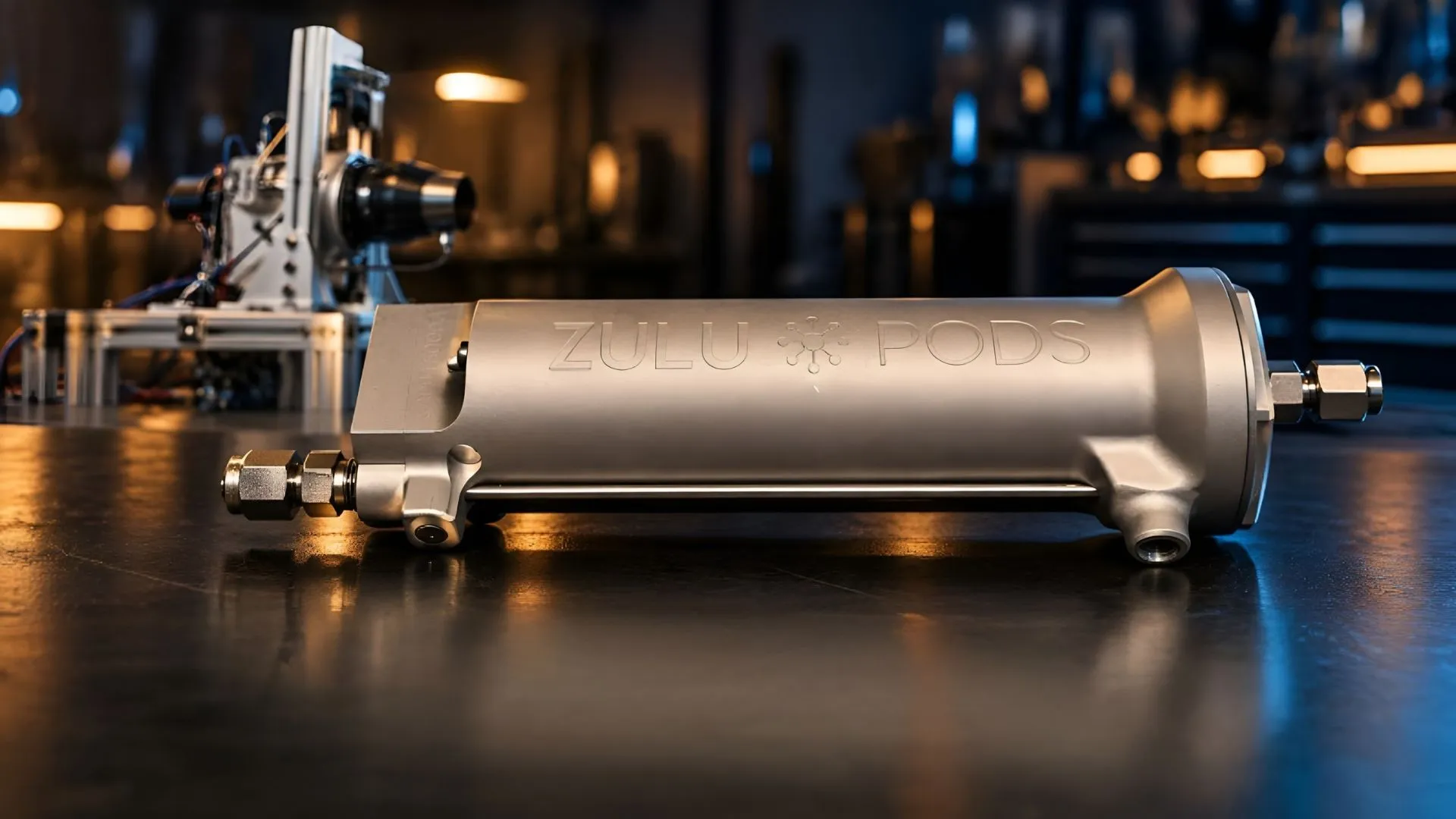
Zulu Pods has completed altitude testing of its ZPOD lubrication system on a 200-pound-force-class turbojet. The test adds another validation point for a system designed for affordable expendable and attritable aircraft.
Engineers conducted multiple runs at an Air Force Research Laboratory test facility. The evaluation covered mission-relevant conditions that could affect lubrication performance during flight.
Bearing temperatures remained comparable to, or below, those recorded with legacy lubrication systems. The engine manufacturer also inspected the bearings after testing and found no signs of degradation.
The results give Zulu Pods additional data as it prepares the system for potential production. They also show how a relatively small propulsion component could affect the design of lightweight military aircraft.
Separating fuel from oil
Small turbojet engines often use fuel mixed with oil to lubricate internal bearings. That approach means some onboard fuel must serve a lubrication function.
ZPOD uses a dedicated oil-delivery system instead. The separation could allow designers to use more of the available fuel for propulsion. That additional capacity could support greater range or payload, depending on the aircraft’s design. Designers could also use the difference to reduce overall system weight.
The system targets another engineering challenge involving different turbojet designs. Zulu Pods describes ZPOD as a standardized, modular architecture that can support multiple engine thrust classes.
Commonality could help manufacturers integrate the lubrication system across related propulsion platforms. It could also reduce the need to develop a separate lubrication solution for every engine configuration.
Those considerations become increasingly important when the intended aircraft must remain inexpensive enough for large-scale production.
Testing across engine platforms
The latest evaluation also expanded ZPOD’s test history to a second engine manufacturer’s platform. Earlier work involved ground testing on a partner’s turbojet engine.
Altitude testing introduced another layer of operating conditions for the system. Bearing performance becomes especially important as temperature, pressure, and mechanical loads change during flight.
The recent runs produced no reported bearing concerns. The engine manufacturer conducted post-test inspections after the evaluation and found no evidence of degradation.
The U.S. Navy’s Office of Naval Research supported the technology during its earlier development. Phase 1 and Phase 2 Small Business Innovation Research programs funded work on the system’s core technology. That development path has now progressed into testing at a government facility under representative altitude conditions.
Moving towards production
The timing aligns with growing U.S. interest in affordable mass for autonomous and expendable military systems. A propulsion subsystem also needs to remain reliable despite the cost pressures surrounding these aircraft. Lubrication therefore becomes more than a maintenance concern. It can influence fuel allocation, aircraft weight and engine integration.
Rob Sladen, CEO of Zulu Pods, said the system aims to deliver reliable lubrication without adding unnecessary complexity. “Affordable does not mean cheap,” Sladen said. He said ZPOD targets dependable performance while reducing lifecycle costs and system complexity.
Zulu Pods is now advancing plans for fiscal 2027 low-rate initial production. The company has also received interest from allied nations within the AUKUS framework.
The next challenge will be scaling the technology beyond testing. Results across two engine platforms give Zulu Pods a broader technical base as it moves toward production.
Source: https://interestingengineering.com/military/zpod-altitude-test-fuel-oil-lubrication
Related articles

OpenAI’s AI agents need to catch up
OpenAI popularized the modern generative AI chatbot, but as its 2026 DevDay event approaches, it's fallen behind in one of the industry's hottest categories: continuously running, consumer-facing AI…

Bose starts adding Auracast to its headphones
A new firmware update for the $449 Bose QuietComfort Ultra Headphones Gen 2 adds support for Bluetooth LE Audio and Auracast as beta features.


AI is supercharging hacking, and your local hospitals and banks aren’t ready
In March, Janice Malone began getting calls about suspicious activity from her nonprofit organization, Vivian's Door.


Walmart won’t hike prices based on your shopping history, CEO says
Walmart says it won't change product prices based on your personal information or the time of day, as reported earlier by The Wall Street Journal.