New recycling method turns discarded plastic bags into industrial-strength adhesives
A team of researchers at ETH Zurich has developed a one-step chemical process that transforms...
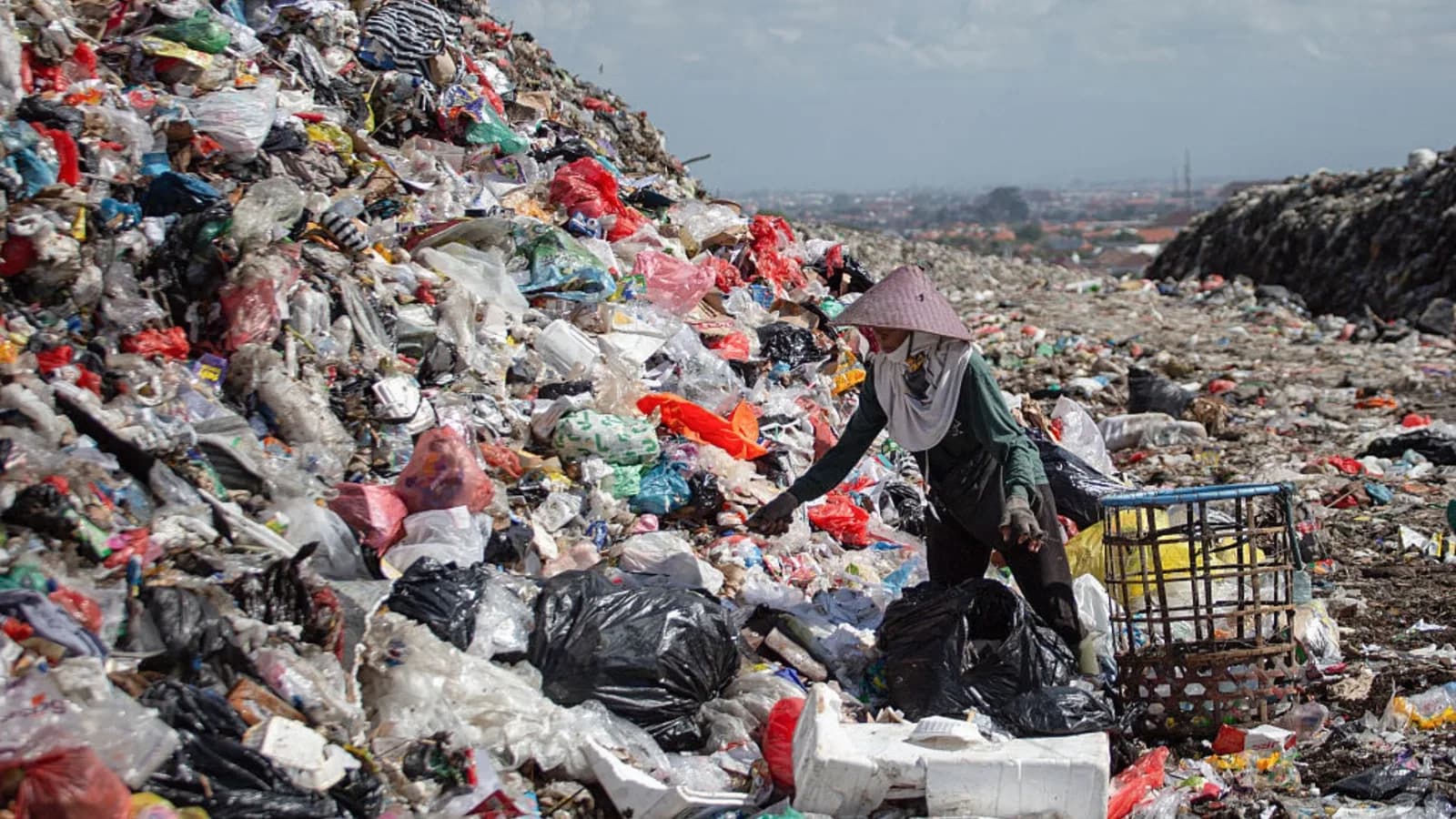
A team of researchers at ETH Zurich has developed a one-step chemical process that transforms common plastic waste, including polyethylene (PE) and polypropylene (PP), into high-performance adhesives, offering a potential alternative to conventional recycling methods that degrade plastic quality.
The technique allows scientists to “upcycle” polyolefins, the world’s most widely used plastics, by attaching new polymer chains with tailored chemical functions instead of breaking the materials down into lower-value products.
The breakthrough could help address one of the biggest challenges in plastics recycling. Around 450 million metric tons of plastic are produced globally every year, with polyolefins accounting for roughly half of all plastic consumption. Most are used only once before ending up in landfills or incinerators, while mechanically recycled plastics typically suffer significant quality losses.
Unlike conventional recycling, which melts plastics and often produces darker, weaker materials suitable only for products such as paving slabs or plant pots, the new approach retains the polymer backbone while it adds entirely new properties.
“Our adhesive is a first-generation product,” said Tae-Lim Choi, professor of polymer chemistry at ETH Zurich. “In the future, plastics with entirely new properties will be possible.”
From shopping bags to structural adhesives
The research team, led by Choi, demonstrated the technology by converting discarded plastic bags and bottles into industrial-grade adhesives.
According to the researchers, the resulting material can bond metals, glass, and wood with sufficient strength for load-bearing and heavy-duty applications used in vehicle and equipment manufacturing.
The process also opens the door to a much broader range of products. By grafting different polymer chains onto polyolefins, scientists can introduce chemical functionalities that are missing in conventional plastics, including water-attracting groups, acids, bases, or highly specific reactive chemical groups.
This versatility could enable applications reaching far beyond adhesives, researchers said.
Light-triggered chemistry replaces energy-intensive recycling
One of the biggest hurdles in recycling polyolefins, which include polyethylene and polypropylene, is their chemical simplicity. Because they consist almost entirely of carbon and hydrogen atoms, they lack the reactive sites needed for selective chemical recycling into their original monomers.
As a result, today’s chemical recycling largely relies on pyrolysis, an energy-intensive process that randomly breaks plastics apart at high temperatures to produce petroleum-like feedstocks. These feedstocks must then undergo additional processing before they can be turned back into new plastics.
The ETH Zurich process takes a different approach.
Instead of breaking the polymer apart, the researchers dissolve plastic waste in a chlorinated solvent and expose the solution to short-wavelength light. The light generates highly reactive chlorine radicals that activate carbon atoms along the polymer chains without destroying them.
These activated sites then serve as anchors where new polymer chains can grow, letting researchers customize the material’s properties in a single reaction.
The method requires neither expensive catalysts nor high processing temperatures, making it considerably simpler than many advanced plastic recycling technologies currently under development.
Researchers also say the reaction can be finely controlled by adjusting both the degree of chlorination in the solvent and the wavelength of the light, granting precise control over how many grafting sites form on the plastic.
Potential uses go beyond adhesives
ETH Zurich has patented the technology and nominated it for the university’s Spark Award, which recognizes its most promising patent applications.
Since the patent was published six months ago, the researchers said they have already begun working with industry partners.
One collaboration is exploring food packaging made from modified polyolefins that not only remain waterproof but also provide improved oxygen barriers, helping reduce oxidation and freezer burn compared with conventional polyethylene and polypropylene packaging.
The adhesive developed in the study could also improve recycling itself. According to senior scientist Hongsik Kim, the material could serve as a binder that strengthens low-grade recycled plastics, creating more durable, higher-value products instead of repeatedly downcycling them.
Get the latest news delivered to your inbox.
Related articles