World’s top uranium producer plans 150,000 metric tons in strategic reserves by 2050
As the leading global manufacturer of uranium, Kazakhstan is making significant strides to enhance its...
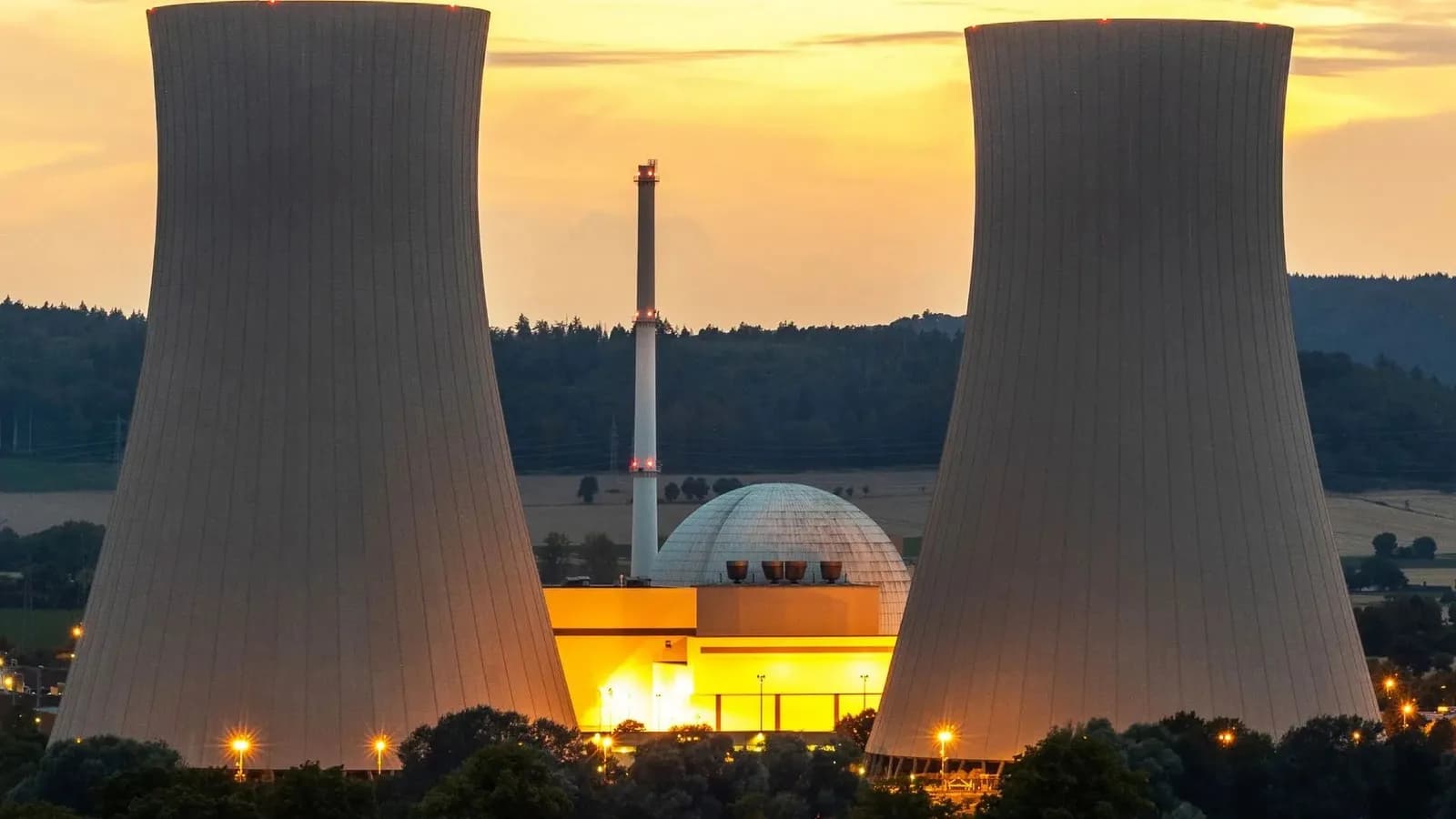
As the leading global manufacturer of uranium, Kazakhstan is making significant strides to enhance its atomic power industry. By the conclusion of 2027, the nation intends to establish a strategic uranium cache. This initiative aims to provide a domestic fuel source for upcoming nuclear facilities, bolstering national energy safety and reducing dependency on external providers.
During a November 3 government assembly, Serik Zhumangarin, who serves as both Deputy Prime Minister and Minister of National Economy, informed the public of this strategy. According to its long-range nuclear expansion blueprint, Kazakhstan intends to claim a minimum of 150,000 metric tons in uranium holdings by the year 2050. This projected strategic supply might consist of raw uranium deposits, natural stocks, and refined nuclear fuel. Currently, officials have not finalized the specific proportions of these components or the total funding required to establish the stockpile. On November 2, Almassadam Satkaliyev, the Atomic Energy Agency Chairman, noted that deliberations regarding the cost and composition of the reserve are ongoing.
While the country exports the majority of its uranium to global buyers, it is increasingly prioritizing domestic energy protection. In 2026, the state-run entity Kazatomprom solidified its international market standing by entering into supply contracts with firms in China and India. Additionally, Kazatomprom is conducting geological assessments across six zones totaling over 1,000 square kilometers and is prepared to begin exploratory work at the Kyzyltu location. These efforts are designed to ramp up future output and fortify the nation’s long-term uranium foundation.
Kazakhstan envisions trio of nuclear facilities by 2050
The country’s ambitions extend beyond mere uranium extraction and storage. Following a positive referendum outcome in October 2024, citizens approved the construction of the inaugural nuclear station. By 2050, the government intends to have three such plants in operation. It is anticipated that these facilities will provide diverse electricity sources, decrease coal consumption, and support the transition toward environmentally friendly energy.
The debut venture is the Balkhash Nuclear Power Plant, situated by Lake Balkhash near Ulken village in the Almaty region’s Zhambyl district. Rosatom, the state nuclear corporation of Russia, is tasked with its development. Featuring two reactor blocks, the facility will generate a combined 2.4 GW of power. Building activities are slated to commence in 2027, with operations expected to begin between 2037 and 2038. The second initiative involves the Moyynkum Nuclear Power Plant, overseen by the China National Nuclear Corporation (CNNC). This site will also be located in the vicinity of Lake Balkhash. Officials from Kazakhstan and China hope to finalize a developmental contract by late 2027.
Discussions are also underway for a third facility. Potential locations include the western part of the country or the area surrounding Kurchatov, though a definitive site remains unselected.
In 2024, the Ulba-FA facility in Oskemen a joint venture between China and Kazakhstan manufactured 200 tons of low enriched uranium fuel bundles. This factory supplies fuel assemblies to nuclear stations using technology from the firm Framatome and enriched materials sourced from Russia.
Kazakhstan strategic uranium stockpile, growing exploration work and nuclear power plant plans show that Kazakhstan wants energy independence. Kazakhstan must balance its nuclear progress, with global partnerships to meet its long-term energy aims.
Get the latest news delivered to your inbox.
Related articles