New solid-state battery lines open for electric aircraft with 50% more energy
French battery maker Saft has opened new battery production lines in Bordeaux to advance solid-state...
This story was prepared automatically by software.
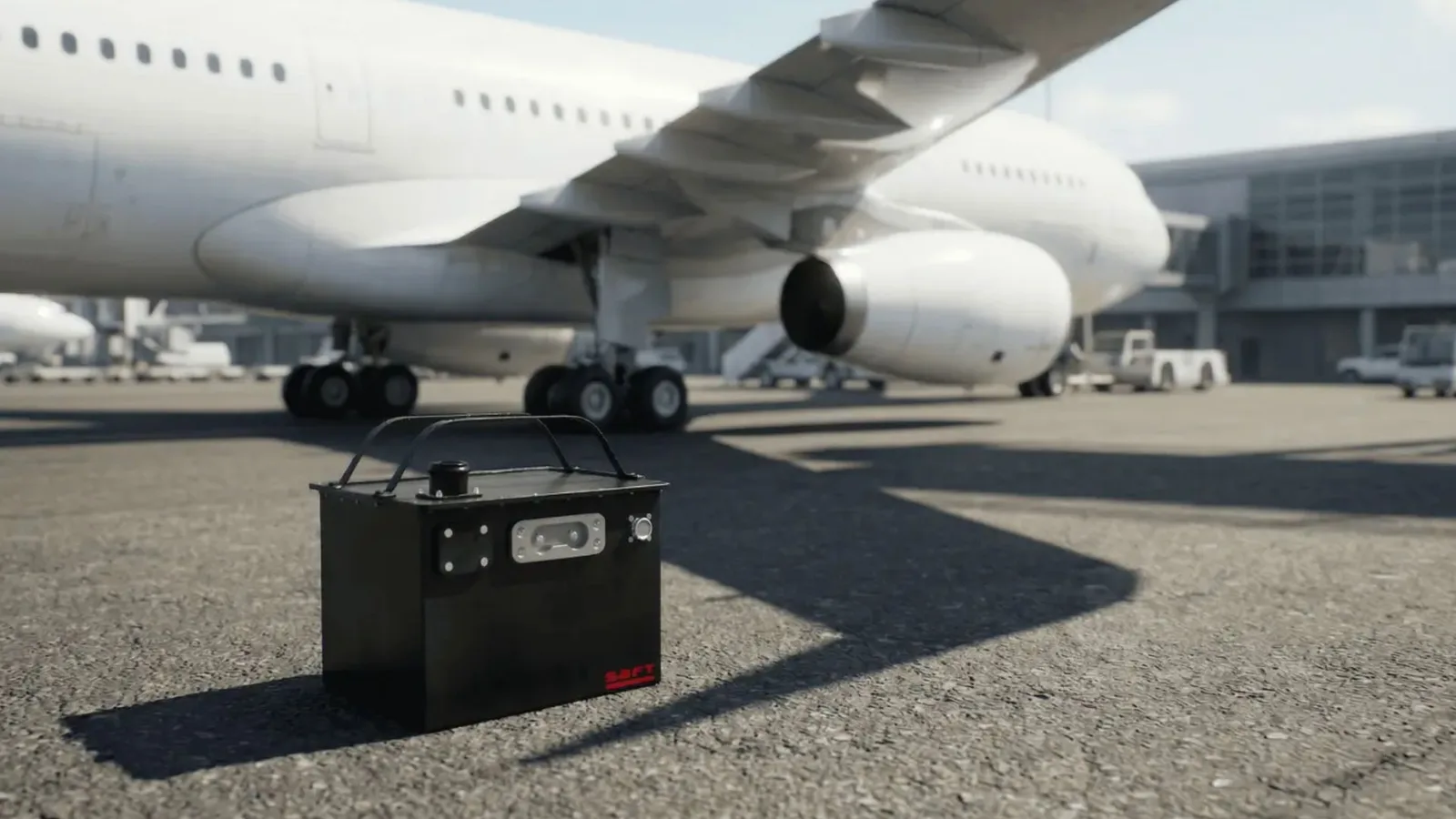
French battery maker Saft has opened new battery production lines in Bordeaux to advance solid-state technology for electric aircraft and space applications. The TotalEnergies subsidiary inaugurated the lines on October 19, turning years of research into manufacturing capacity.
The company said solid-state batteries can offer up to 50 percent higher energy density than conventional lithium-ion batteries, alongside improved safety.
Those potential gains are particularly valuable in aviation, where battery weight and performance are central considerations for electrification.
The facility gives Saft the capacity to develop and produce batteries using both sulfide and polymer electrolytes at room temperature. According to the company, it is the first French manufacturer with this combination of capabilities.
Solid electrolytes offer safety and density gains
Solid-state batteries replace the liquid electrolyte used in conventional lithium-ion cells with a solid material. The electrolyte allows ions to move between the battery’s electrodes during charging and discharging.
Replacing the liquid component offers a route to safer, more compact batteries. Saft identifies increased energy density as another major advantage, citing potential improvements of up to 50 percent over classic lithium-ion technology.
The Bordeaux production lines span polymer semi-solid and sulfide solid-state technologies. Their inauguration follows more than a decade of research, innovation, and industrial development, according to the company.
“Solid-state batteries are among the most promising innovations for meeting tomorrow’s electrification needs,” said Cedric Duclos, Saft’s chief executive officer.
“These new production lines mark an important milestone for Saft, as we turn several years of research into real industrial capacity, a statement of our ambition to establish France and Europe as leading players in this strategic technology,” he added.
The dry electrode process
The manufacturing approach also addresses emissions associated with making battery electrodes. Saft said its batteries use a dry electrode process that cuts carbon dioxide emissions from that production stage by up to 40 percent.
That figure applies specifically to the electrode production stage, rather than the battery’s entire manufacturing process or lifetime emissions.
The new lines represent a step toward industrializing the technology. Saft’s announcement focuses on building the capability to develop and produce these batteries, with aviation and space as target sectors.
Both industries want improvements in safety, performance, and energy density. Saft says solid-state technology has attracted significant interest from the space industry and is also seen as important to aviation electrification.
Aircraft battery cells enter evaluation
Saft has already delivered semi-solid-state cells to Safran for the evaluation of future electric and hybrid aircraft architectures.
The delivery builds on a partnership announced at the Paris Air Show in June 2025 to develop high-voltage battery systems for aviation.
Most of the cells are destined for Safran’s System Test Center in Niort, France. The facility handles much of the validation and integration work needed to develop battery systems for electric and hybrid-electric propulsion.
Evaluation of solid-state cells and batteries is expected to begin next year. For now, the delivered semi-solid-state cells provide an earlier milestone as the partners assess battery technologies for future aircraft.
Related articles