
Proposed 10MW Indiana-based data center targets one-year delivery via modular build
A proposed 10-megawatt AI data center in Indiana could use factory-built modules to shorten its...
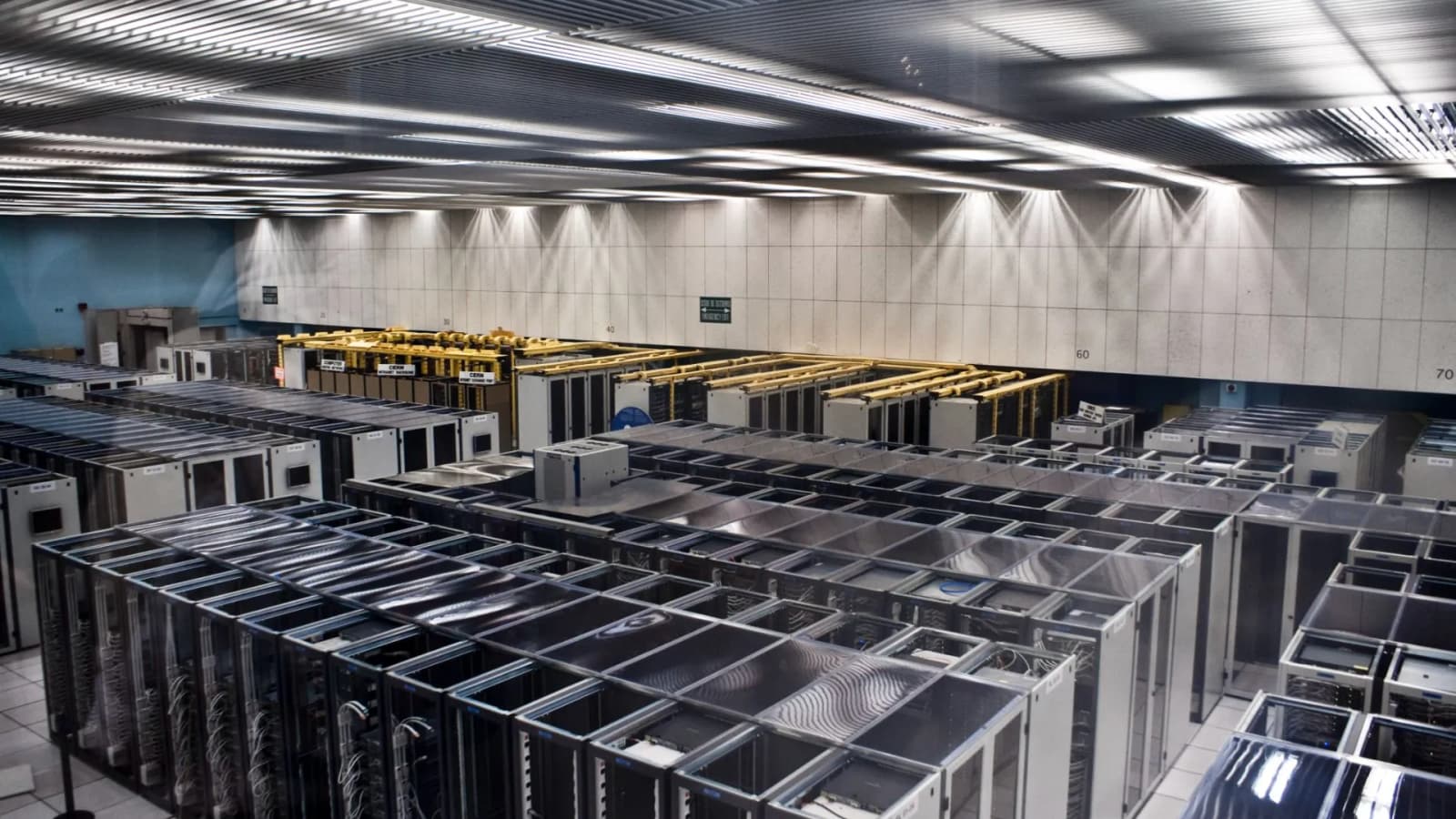
A proposed 10-megawatt AI data center in Indiana could use factory-built modules to shorten its delivery schedule to within one year. Data center company Brightray announced the project on October 14 after its subsidiary signed a letter of intent with a US mission-critical infrastructure partner.
The agreement outlines plans to manufacture and integrate data hall modules while foundation and supporting construction work proceed at the site.
The approach aims to accelerate deployment of infrastructure for high-density AI computing, with planned compatibility with Nvidia’s GB300 platform.
The proposal remains at an early stage. Its principal cooperation arrangements are nonbinding, and construction depends on final technical specifications, commercial terms, approvals, and a definitive contract.
Moving construction into the factory
Brightray intends to complete pre-installation and integration of the data hall modules and related functional systems during manufacturing. On-site work would then focus on placing modules, connecting interfaces, and commissioning the completed facility.
The planned single-story layout would accommodate AI equipment alongside the space needed for operation and maintenance. Power distribution, cooling, and the arrangement of the data halls are being planned around high-density computing requirements.
Brightray’s proposed scope includes design, manufacturing, integration, delivery, and other services agreed with its partner.
“Our entry point is delivery: with Brightray’s prefabricated data center solution, we move more of the work into the factory and run manufacturing in parallel with on-site works, with the aim of shortening the delivery period for this project to within one year,” said founder Bin Wang in the latest press release.
One-year target covers the entire project
The proposed delivery period extends beyond manufacturing and shipping prefabricated modules.
It covers design finalization, permitting, international shipping, foundation and ancillary construction, installation, and commissioning in the United States. That date and the implementation schedule remain subject to the subsequent definitive contract.
The facility is planned around Tier III design standards, with a target annual power usage effectiveness, or PUE, below 1.2. These remain design objectives rather than demonstrated operating results.
Final specifications and delivery arrangements also depend on site conditions, available power, required approvals, and equipment supply. Those dependencies remain relevant even when manufacturing and site preparation proceed simultaneously.
First US opportunity awaits a firm agreement
The letter of intent is Brightray’s first for a US project, giving the company an opportunity to establish local delivery and partnership experience.
Under the proposed arrangements, the unnamed partner intends to issue a purchase order by November 15, 2026. However, neither party is obligated under the principal cooperation provisions to purchase equipment, provide supplies, or make payments.
The letter expires 12 months after signing unless a definitive agreement replaces it earlier. Brightray said there is no assurance that a purchase order or final contract would follow, or that the project would proceed as planned.
If finalized, the Indiana-based development could serve as a reference for future US projects.
For now, the proposed 10MW facility offers a test of whether factory integration can accelerate AI infrastructure delivery while meeting the site’s power, cooling, and construction requirements.
Related articles

Surface Laptop Ultra review: a different kind of MacBook Pro
After setting up Microsoft's Surface Laptop Ultra, I spent five minutes just staring at it. I wasn't surprised by its MacBook Pro-like design or blown away by its bright display.

The iPhone Duo is now available to preorder at $1,999
Few phones have been more anticipated than a foldable iPhone, but it's finally here.

The first vibe-coded gun is here
Since gun-rights activist and alt-right-friendly agitator Cody Wilson made the first 3D-printed firearm 13 years ago, he's helped usher in a chaotic era of untraceable ghost guns.

The Sony Xperia 10 VI won’t be getting a promised update to Android 17
When the midrange Sony Xperia 10 VI was announced over two years ago with a Qualcomm Snapdragon 6 Gen 1 chipset and Android 14, Sony promised three major OS updates which would have included this…

Time is a-changin’: say goodbye to the leap second
An important change will soon be made to global timekeeping that aims to prevent potential infrastructure failures akin to the Y2K bug scare.
Robot brain combines sight, tough and sound to help humanoids handle real chores
NEURA Robotics has introduced Neuron AI, a robot foundation model designed to help robots understand...