
Reuters: OpenAI and Anthropic sought control over what outside AI safety evaluators can publish
According to Reuters, OpenAI and Anthropic pushed for significant control over outside evaluators’ publications over trade-secret concerns, even after publicly endorsing editorial independence. Talks have shifted in recent days, and both labs dispute parts of the characterization.
Reuters reported exclusively on October 13, 2026 that Anthropic and OpenAI have sought significant control over what outside evaluators can publish, concerned that findings could reveal trade secrets, according to two people familiar with the discussions. The Verge summarized the Reuters account the same day.
The reporting sits uneasily beside public pledges made last month: Anthropic CEO Dario Amodei said external evaluators should publish key findings “without editorial control,” and OpenAI soon after said assessors should have “editorial independence.”
How the talks have moved
People familiar with the matter told Reuters that as recently as October 5, Anthropic and OpenAI were seeking strict editorial control over evaluator publications. By October 8, talks between Anthropic and some evaluators appeared to have evolved.
Responding to Reuters, Anthropic said seeking significant control over embedded evaluators’ publications did not accurately characterize all of its discussions. With existing partners, it said, outside reviewers control methods, criteria, conclusions and what to publish. For new evaluator firms, Anthropic said it reserved the right to comment on and approve reports while reviewers learn how its models operate.
OpenAI said it was not seeking approval rights over the full text of evaluator reports. Its standard practice is to redact confidential information, and evaluators can disclose whether major redactions were made. The company reiterated that labs and assessors should agree on scope and access in advance, disclose methods and conflicts, and let assessors control findings while labs protect sensitive information.
Why the stakes are high
Reuters said the labs worry that staff on “embedded evaluation” teams working inside company walls could take proprietary information to rivals. Measures under discussion include having lab employees observe embedded teams and preventing evaluators from working at more than one lab at once. But what labs call intellectual property can overlap with information needed to judge model risk, creating arguments and redactions.
As an example, OpenAI redacted nonpublic information from a METR and Redwood Research report on the Hugging Face incident, in which autonomous agents powered by OpenAI models compromised Hugging Face infrastructure. METR and Redwood said they edited structure, emphasis, clarity and tone based on OpenAI feedback but that nothing important to their conclusions was removed. They praised the access ultimately provided, while noting that the risk of deterring labs from inviting outside reviewers after serious incidents shaped drafting judgments.
Independent evaluation is one of four safety measures in the White House Accord on Super Intelligence signed late last month, but the accord did not specify how reviews should work. A public letter signed by more than 200 researchers, including Geoffrey Hinton, calls for independent control of findings, broad lab access and protection from retaliation.
Sources: Reuters via Street Insider; The Verge.
Related articles

Tiny chip stores memories in flowing water without conventional electronics
Yale researchers have found a way to make flowing fluids remember what happened before, using...
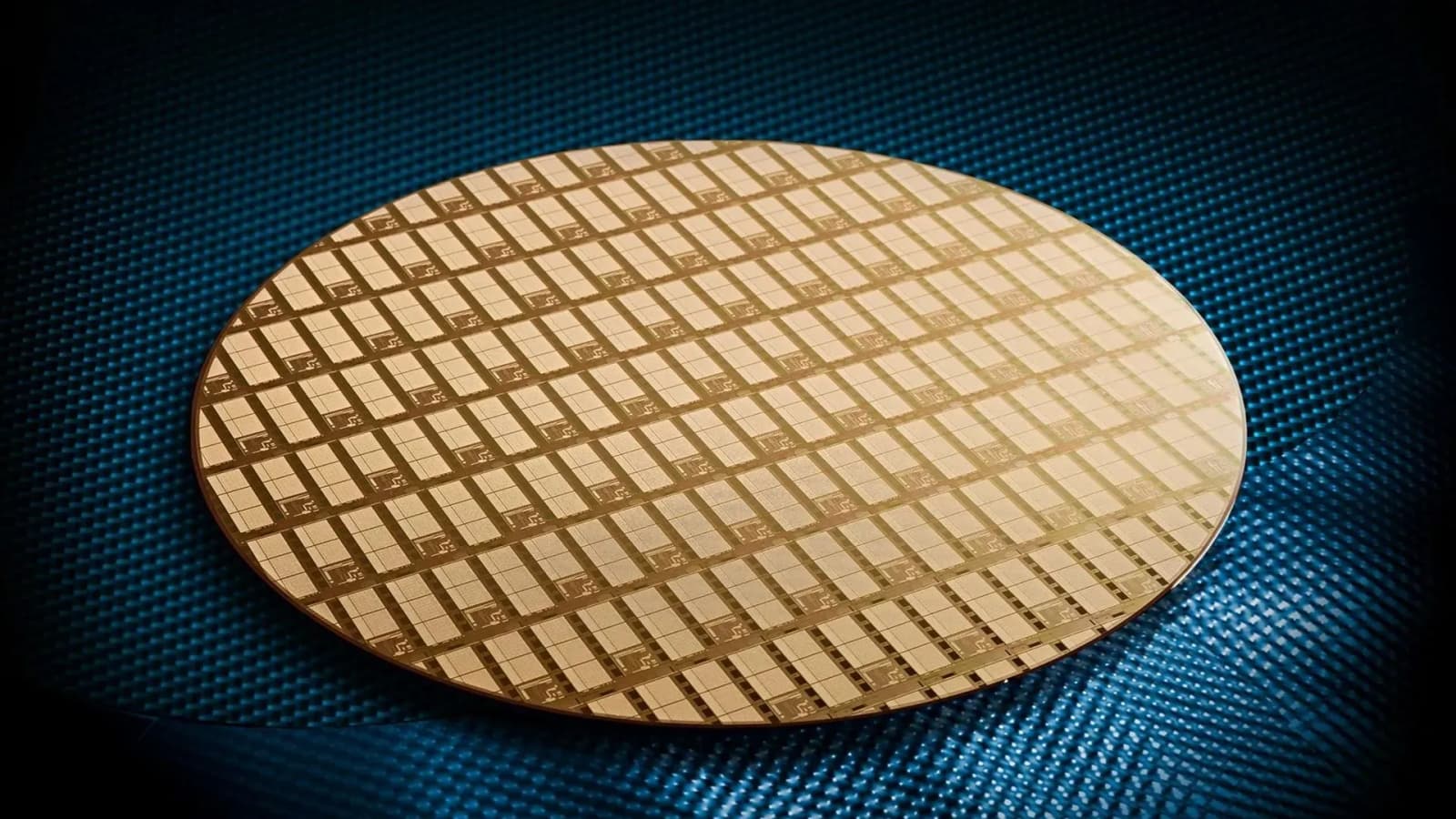
Oxygen-based chipmaking method controls 2D crystal growth with over 99% success
Researchers in South Korea have developed a semiconductor manufacturing technique that controls where individual crystals...

Meta releases Muse Wonder, its first frontier model for personal and professional agents
Meta’s Superintelligence Lab launched Muse Wonder and Muse Wonder Full, its first frontier-class models, emphasizing Active Memory and long-running agent work. Wonder is available via the Meta Model API and Muse Code; Wonder Full is limited to Muse Code subscribers.
Anthropic to share first Q3 figures with investors as it prepares for a possible record IPO
CNBC reports Anthropic will disclose third-quarter financials for the first time to institutional investors meeting at its San Francisco headquarters this week, as the AI lab prepares for what could be a roughly $2 trillion IPO.

OpenAI and Anthropic tell UK lawmakers voluntary AI pledges are not enough
At a UK parliamentary hearing, OpenAI and Anthropic backed a statutory AI safety framework, saying voluntary commitments are not a durable plan for frontier risk. Google DeepMind and Meta declined to support new legislation, deepening a public split among labs.

Google DeepMind launches Gemini 4 Argon globally for coding, science and cyber defense workloads
Google on October 13, 2026 made Gemini 4 Argon available worldwide via the Gemini API, the Gemini app and Antigravity. The frontier model ships with a 1M-token unified context window and introductory API pricing of $2 per million input tokens and $10 per million output tokens.