Sodium-ion batteries target 3 GWh of grid storage by 2031 with 15,000 charge cycles
China’s largest battery maker, CATL, is likely to expand Its Sodium energy storage system network...
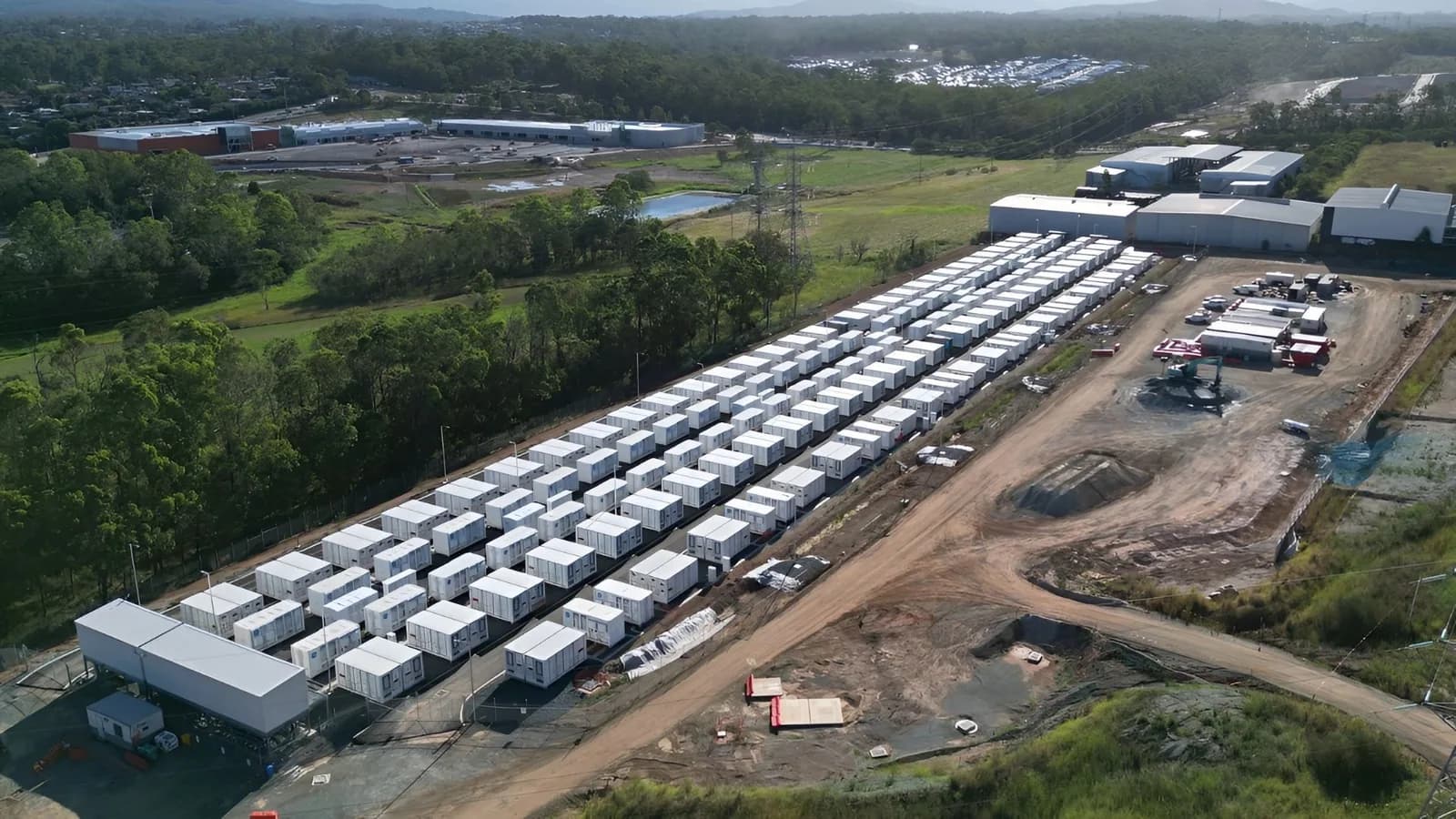
China’s largest battery maker, CATL, is likely to expand Its Sodium energy storage system network in Europe over the next five years as it entered into an agreement with a German counterpart.
A memorandum of understanding (MOU) was signed Monday between CATL and German energy storage solutions provider, Intilion, to install 3 GWh of sodium-ion energy storage systems in Europe by 2031.
Under the latest agreement, these battery systems for grid-scale, commercial, and industrial applications would expand into the German, Swiss, and Austrian markets.
Robust alternative in harsh winters
Since 2022, the companies have deployed more than 30 energy storage projects in Germany, including lithium-ion batteries. Going forward, CATL aims to strengthen its existing project partnership with Intilion while scaling up adoption of new battery technologies this year.
Tener Sodium, the world’s first field-validated sodium-ion energy storage solution, which is expected to enter the European market this year, was launched by the Chinese Energy company over four years ago in June.
Sodium-ion batteries are viewed as a potential alternative because they maintain stronger performance in cold conditions. Unlike lithium-ion batteries, sodium-ion systems use sodium, a more abundant raw material than lithium. This could help diversify battery supply chains and reduce exposure to fluctuations in lithium prices. Their ability to operate in freezing conditions also makes them a potential fit for renewable energy storage, where reliable power delivery is essential.
“Built for Europe’s harsh winter climates, CATL TENER delivers over 15,000 charge cycles across a 25-year operational lifespan while maintaining high power discharge even at -20°C (-4 degrees Fahrenheit). This level of reliability helps stabilize local grids and strengthen regional power security,” said CATL in a social media post.
Swappable packs
These sodium-ion battery solutions have been built with dimensions compatible with lithium-ion batteries, the company said, offering flexibility to choose between these battery technologies, safeguarding the users against the global lithium price volatility.
In June this year, CATL unveiled a new battery pack architecture that allows sodium-ion and lithium-ion batteries to be used inside the same enclosure, a move aimed at accelerating sodium-ion deployment in electric vehicles, battery-swapping networks, and energy storage systems.
The announcement of the partnership comes as Europe’s energy storage market expands rapidly. According to South Korean market research firm SNE Research, European lithium-ion energy storage battery shipments reached 72.7 GWh in the first half of 2026, marking a year-on-year rise of 74 percent.
Earlier in July 2026, the Chinese company signed an agreement with European energy integrator Alfen N.V. to deploy sodium-ion energy storage systems in Western Europe, including the Netherlands. The planned deployment capacity was 5 gigawatt-hours and would begin in 2027.
The company also signed a 2 GWh cooperation agreement with Eastern European renewable energy company Solarpro in the same month.
The latest announcements suggest China’s sodium-ion battery sector is moving beyond laboratory-scale development and into large-scale commercial deployment. With standardized pack designs, longer lifetimes, and expanding material production, manufacturers are positioning sodium-ion batteries as a complementary technology to lithium-ion systems rather than a direct replacement.
Source: https://interestingengineering.com/energy/catl-intilion-plan-3-gwh-sodium-ion-energy-grid
Related articles